Balance in Children’s Daily Lives: How to Create Harmony Between Calm and Activity

Balance in Children’s Daily Lives: How to Create Harmony Between Calm and Activity
In today’s fast-paced world, many children’s days are packed with school, sports, homework, and screen time. Parents want their kids to be active, learn new things, and build friendships—but children also need downtime to rest and recharge. Creating a balanced daily rhythm isn’t about choosing between activity and calm; it’s about making space for both so that each supports the other.
Why Balance Matters
Children thrive when their days include a natural flow between movement and rest. Too much activity can lead to stress, irritability, and trouble sleeping, while too little stimulation can cause boredom and low motivation. A healthy balance supports emotional well-being, focus, and resilience.
Research from child development experts shows that quiet time helps children process emotions and improve learning, while physical activity strengthens their bodies, coordination, and social skills. The goal isn’t to cut back on activities but to create a rhythm that allows for both energy and ease.
Structure with Flexibility
A predictable routine gives children a sense of security. When they know what to expect—when it’s time for schoolwork, play, and rest—it’s easier for them to settle into each part of the day. Try making a weekly schedule together, but leave some open spaces.
Those open spaces are important. They allow for spontaneous play, creativity, and unplanned breaks. Often, it’s in those quiet moments that children process their experiences and come up with new ideas.
Calm as an Active Part of the Day
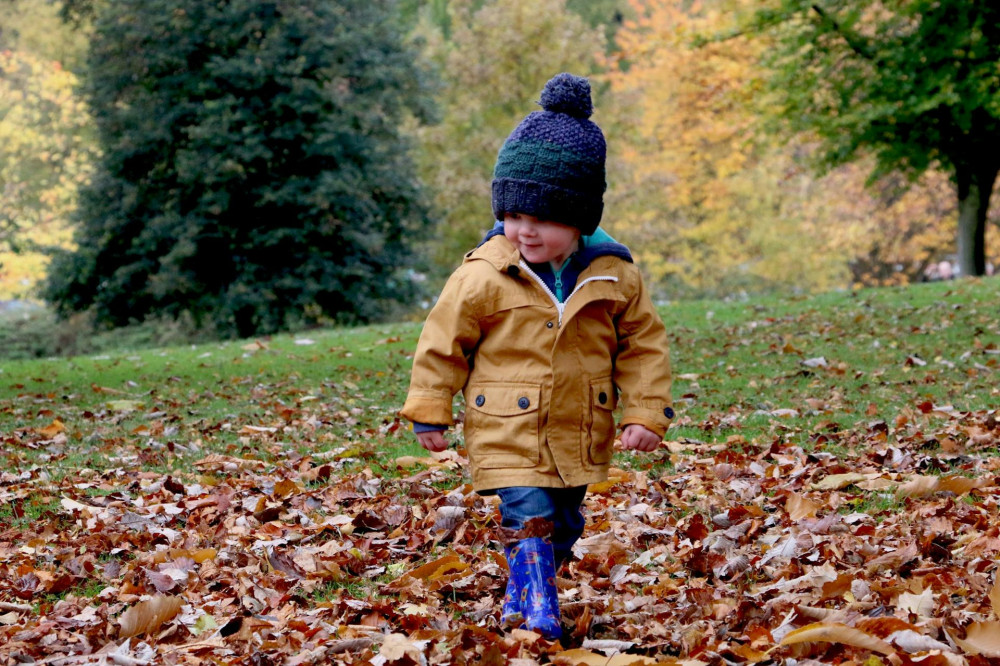
Calm doesn’t have to mean sitting still. It can include activities that bring mental rest, such as drawing, reading, building with blocks, or taking a walk. For younger children, it can help to create small “quiet zones” at home—spaces without screens or noise where they can unwind.
A consistent evening routine can also make a big difference. Ending the day with calm music, reading together, or talking about the day’s highlights helps children relax and prepare for sleep.
Læs også:



Meaningful Activity
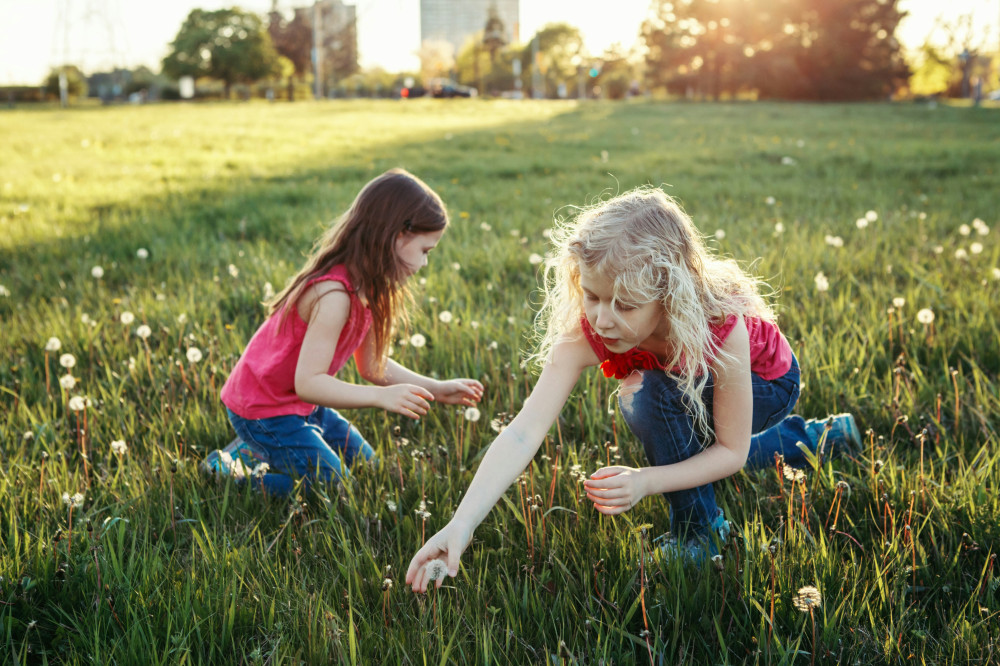
Physical activity is essential, but that doesn’t mean every hour needs to be scheduled. Free play at the park, bike rides with family, or backyard games can be just as beneficial as organized sports. The key is that movement feels fun, not forced.
If your child participates in several activities, check in regularly about what feels energizing and what feels overwhelming. Sometimes scaling back a bit can create more space for joy and rest.
Mindful Screen Time
Screens are a natural part of modern childhood, but they can easily take over. The goal isn’t to ban them but to use them thoughtfully. Set clear times for screen use, and make sure there’s also time for physical play, family connection, and quiet moments.
A good rule of thumb is that screen time shouldn’t replace sleep, movement, or social interaction. Encourage active use—creating, learning, or playing together—rather than passive scrolling or watching.
Parents as Role Models
Children learn most from what they see. When parents model balance—taking breaks, putting away devices, or saying no to overscheduling—kids notice. Show that it’s okay to slow down and that rest is just as valuable as activity.
Talk openly with your child about how to create a daily rhythm that feels good for everyone. When children feel heard and included, it strengthens trust and family well-being.
A Life with Room for Both Energy and Ease
Creating balance in children’s daily lives isn’t about perfection—it’s about awareness. Some days will be busy, others calm, and that’s perfectly normal. What matters most is that, over time, there’s a rhythm that allows for both stimulation and rest.
When calm and activity complement each other, children grow up with a healthy sense of their own needs and limits—a foundation they can carry with them throughout life.
Læs også: