Siblings – Between Security and Competition: How to Help Children Find Balance

Siblings – Between Security and Competition: How to Help Children Find Balance
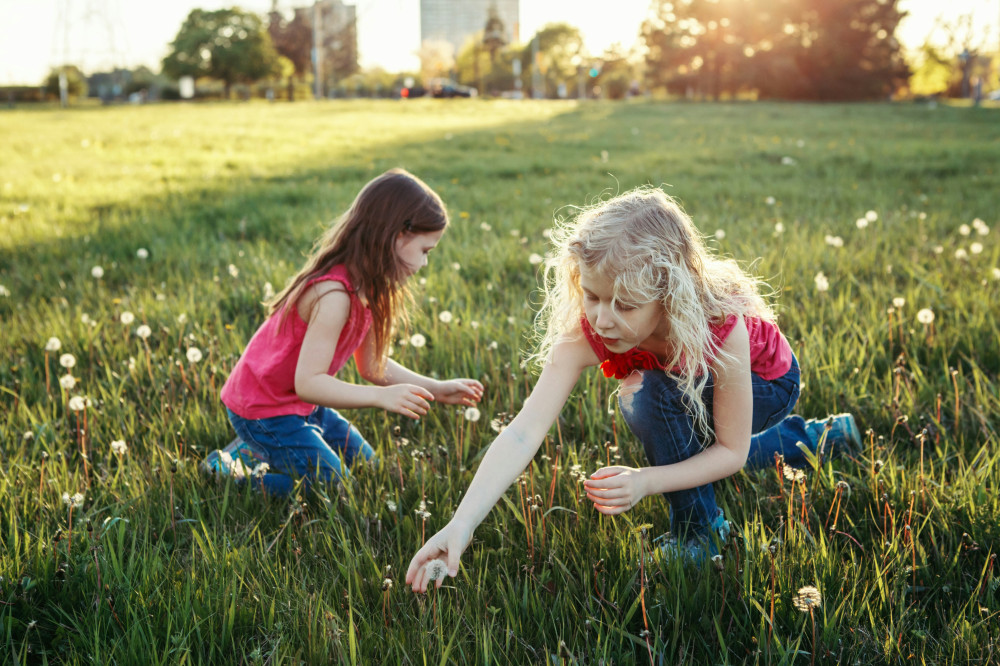
The sibling relationship is one of the most formative bonds in a child’s life. It’s where children learn to share, cooperate, negotiate—and sometimes clash. Siblings can be each other’s closest allies and fiercest rivals at the same time. For parents, it can be challenging to support both the closeness and the conflicts. Here’s how you can help your children build a healthy, balanced relationship—somewhere between security and competition.
Siblings as a Training Ground for Life
From an early age, siblings learn that the world doesn’t revolve solely around them. They share their parents’ attention, toys, and space—experiences that can lead to both frustration and growth. Research shows that sibling relationships act as a kind of “social training ground,” where children practice empathy, patience, and conflict resolution.
When kids argue, it’s not necessarily a sign that something is wrong. In fact, it’s often a natural part of their development. What matters most is how those conflicts are handled—and how parents guide the process.
Læs også:
When Love and Competition Go Hand in Hand
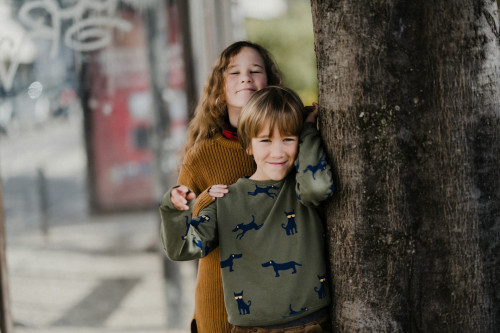
It’s perfectly normal for siblings to both love and compete with each other. Competition can arise over anything from parental attention to who gets the last cookie. A little rivalry can be healthy if it motivates children to do their best, but it can become harmful if it leads to jealousy or feelings of inadequacy.
As a parent, you can help by:
- Avoiding comparisons. Focus on each child’s unique strengths instead of measuring them against one another.
- Acknowledging differences. Some kids are quiet, others outgoing—both are valuable.
- Praising effort, not just results. This reduces unhealthy competition and encourages teamwork.
- Creating shared experiences. Activities that require cooperation—like cooking together or building a fort—strengthen their bond.
When children feel seen and valued as individuals, their need to compete for your love and attention decreases.
Conflicts: Learning Disguised as Arguments
No sibling relationship is free of conflict. The goal isn’t to eliminate disagreements but to teach children how to handle them constructively. When you step in, try to act as a guide rather than a judge.
- Help your children put their feelings into words: “I got upset when you took my toy without asking.”
- Ask how they think they can solve the problem instead of providing the answer.
- Avoid taking sides—it can create a sense of unfairness.
When children learn that conflicts can be resolved through communication, they gain skills that will serve them throughout life.
Balancing Togetherness and Alone Time
Even though siblings often spend a lot of time together, they also need moments apart. This is especially true if they have different temperaments or age gaps. Alone time allows each child to recharge and develop a sense of self—which can actually strengthen their relationship.
Plan small moments where each child gets your undivided attention. It could be a walk, reading a book together, or simply a few minutes of one-on-one conversation. When children feel individually recognized, they become more patient and understanding with each other.
When Jealousy Takes Over
Sibling jealousy is common but can be tough to manage. It often surfaces when a child feels overlooked—such as when a new baby arrives. The key is to acknowledge the feeling rather than dismiss it.
You might say, “I understand that you miss having time with me alone. I miss that too sometimes.” This helps your child see that emotions are valid and that love isn’t a limited resource.
Building a Culture of Cooperation
A strong sibling relationship doesn’t happen by chance—it grows in families that value respect and teamwork. You can nurture that culture by:
- Encouraging siblings to help each other with small tasks.
- Talking about how to apologize and forgive.
- Celebrating each other’s successes—big or small.
When children experience a family environment where everyone contributes and supports one another, their sibling bond becomes a source of comfort rather than competition.
A Relationship That Lasts a Lifetime
The sibling relationship is often the longest one we’ll have in life. It can bring laughter, support, and shared memories—but also challenges. As a parent, you can’t control every dynamic, but you can create the conditions for understanding and respect to grow.
By giving space for both individuality and togetherness, you help your children find the balance—a balance that can guide them well into adulthood.
Læs også: