Good School Habits Start at Home: Help Your Child Build Structure and Responsibility

Good School Habits Start at Home: Help Your Child Build Structure and Responsibility
When children start school, they enter a new world of learning, friendships, and growing independence. But good school habits don’t just happen on their own—they’re built day by day, and much of that foundation begins at home. As a parent, you play a key role in helping your child develop structure, responsibility, and a positive attitude toward learning. Here are some ways to support your child in building healthy school habits that will last a lifetime.
Create a Steady Daily Routine
Children thrive on predictability. When the day follows a clear rhythm, it’s easier for them to manage schoolwork, play, and rest. Establish consistent routines for mornings, homework time, and bedtime.
- Morning: Allow enough time for breakfast and getting ready without rushing. A calm start sets the tone for the rest of the day.
- Afternoon: Set a regular time for homework, balanced with time for play, snacks, and relaxation.
- Evening: A consistent bedtime helps your child get the sleep they need for focus and learning.
The goal isn’t strict discipline—it’s giving your child the comfort of knowing what to expect and when.
Encourage Responsibility Step by Step
Learning to take responsibility for schoolwork and daily tasks is a gradual process. At first, your child may need reminders to pack their backpack or complete assignments. Over time, you can hand over more responsibility.
Let your child pack their own school bag, but stay nearby to offer guidance if needed. Ask questions instead of giving instructions: “What do you need for tomorrow?” rather than “Don’t forget your homework.” This helps your child think ahead and take ownership of their tasks.
As children experience success in managing their own responsibilities, their confidence and motivation grow.
Set Up a Productive Homework Space
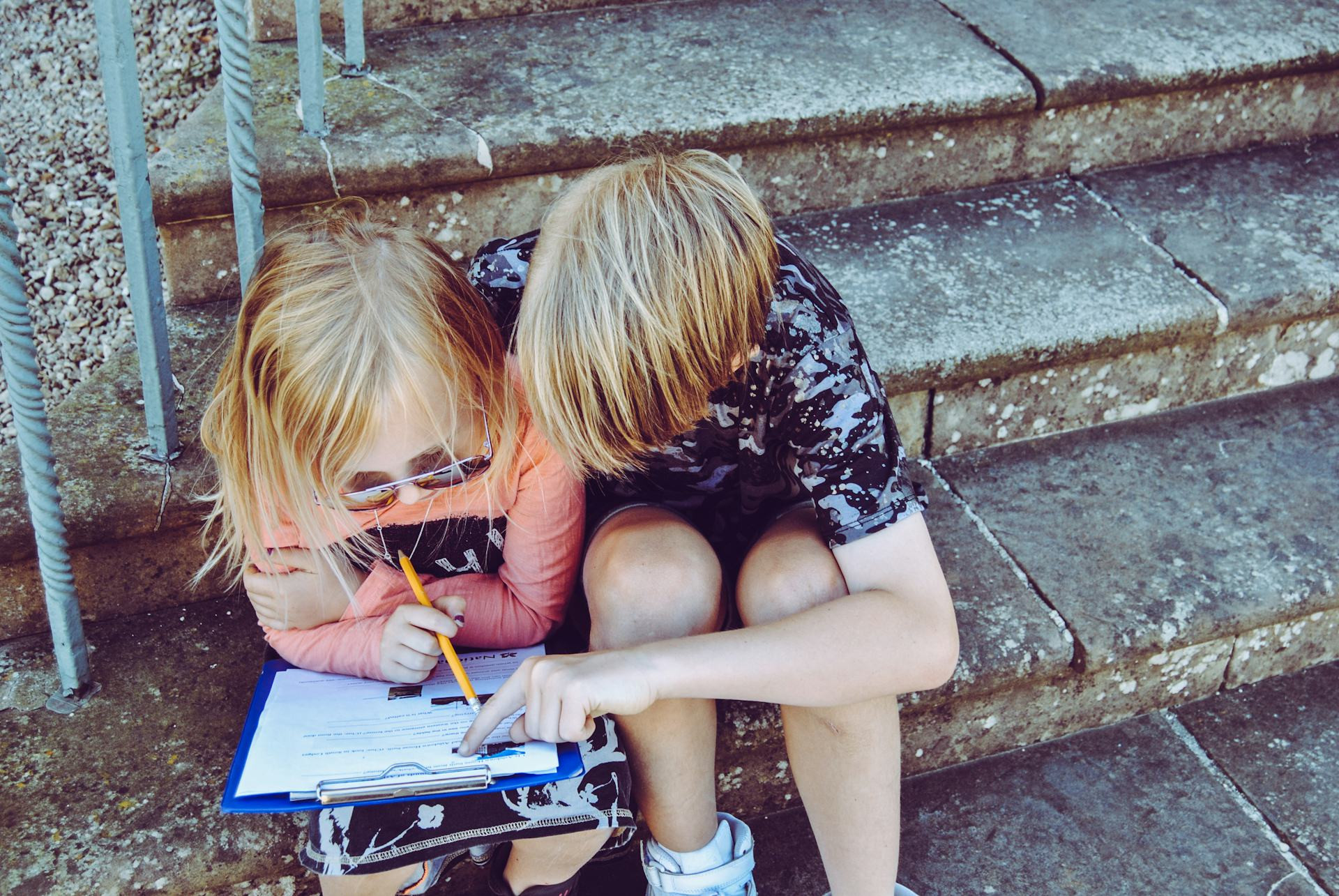
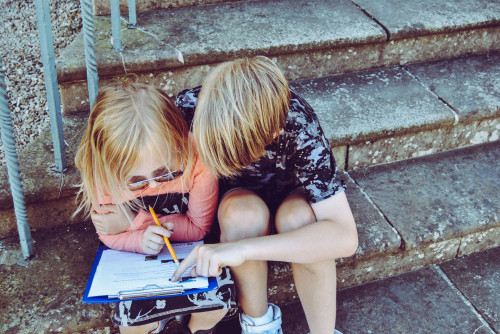
A quiet, consistent place for homework can make a big difference. It doesn’t have to be a special desk—what matters most is that it’s well-lit, organized, and free from distractions. Turn off the TV and put away phones during homework time, and be available if your child needs help.
Some children focus best in short bursts with breaks in between, while others prefer to finish everything at once. Help your child discover what works best for them. This teaches valuable time-management skills that will serve them well beyond school.
Læs også:

Show Interest—Without Taking Over
When you ask about your child’s school day, you show that you care about their experiences and learning. But try not to turn the conversation into a quiz. Instead of asking, “What grade did you get on your test?” try “What was the most interesting thing you learned today?” or “Was there anything that felt tricky?”
The goal is for your child to feel heard and supported, not judged. When you show genuine curiosity, your child learns that school is about growth and discovery—not just grades.
Teach Resilience Through Challenges
Every child faces challenges at school—academic, social, or emotional. That’s a normal part of learning. As a parent, you can help your child see mistakes as opportunities to grow rather than failures.
Praise effort instead of results: “I can tell you worked really hard on that project,” rather than “You’re so good at science.” This helps your child understand that persistence and practice lead to improvement.
When children learn that it’s okay to make mistakes, they become more resilient and more willing to take on new challenges.
Partner With the School
A strong partnership between home and school is essential for your child’s success. Stay in touch with teachers, attend parent-teacher conferences, and communicate regularly—not just when problems arise. Teachers can offer valuable insights into your child’s progress and social development, and together you can find solutions when challenges come up.
Show your child that you and their teachers are on the same team. This sense of connection builds trust and motivation.
Habits That Last a Lifetime
Good school habits are about more than homework and schedules—they’re about creating a home environment where your child feels supported, capable, and responsible. When you help your child find balance between effort and rest, guidance and independence, you’re giving them tools that reach far beyond the classroom.
In the end, school habits aren’t just about doing well in school—they’re about learning how to take responsibility for one’s own life.
Læs også: