Nature’s Playground: Outdoor Life as a Path to Children’s Health and Well‑Being

Nature’s Playground: Outdoor Life as a Path to Children’s Health and Well‑Being
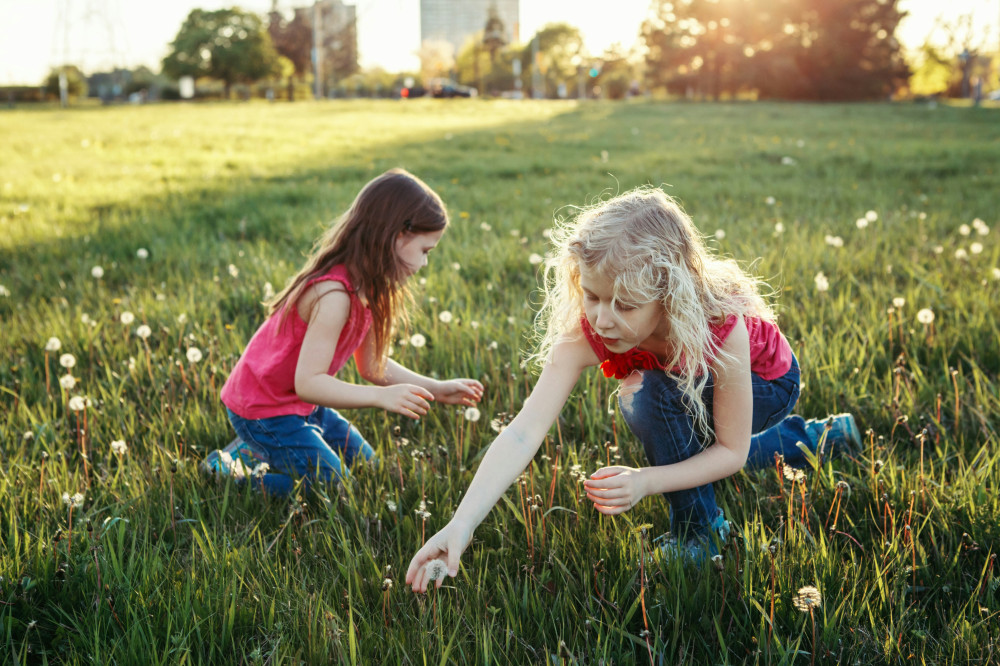
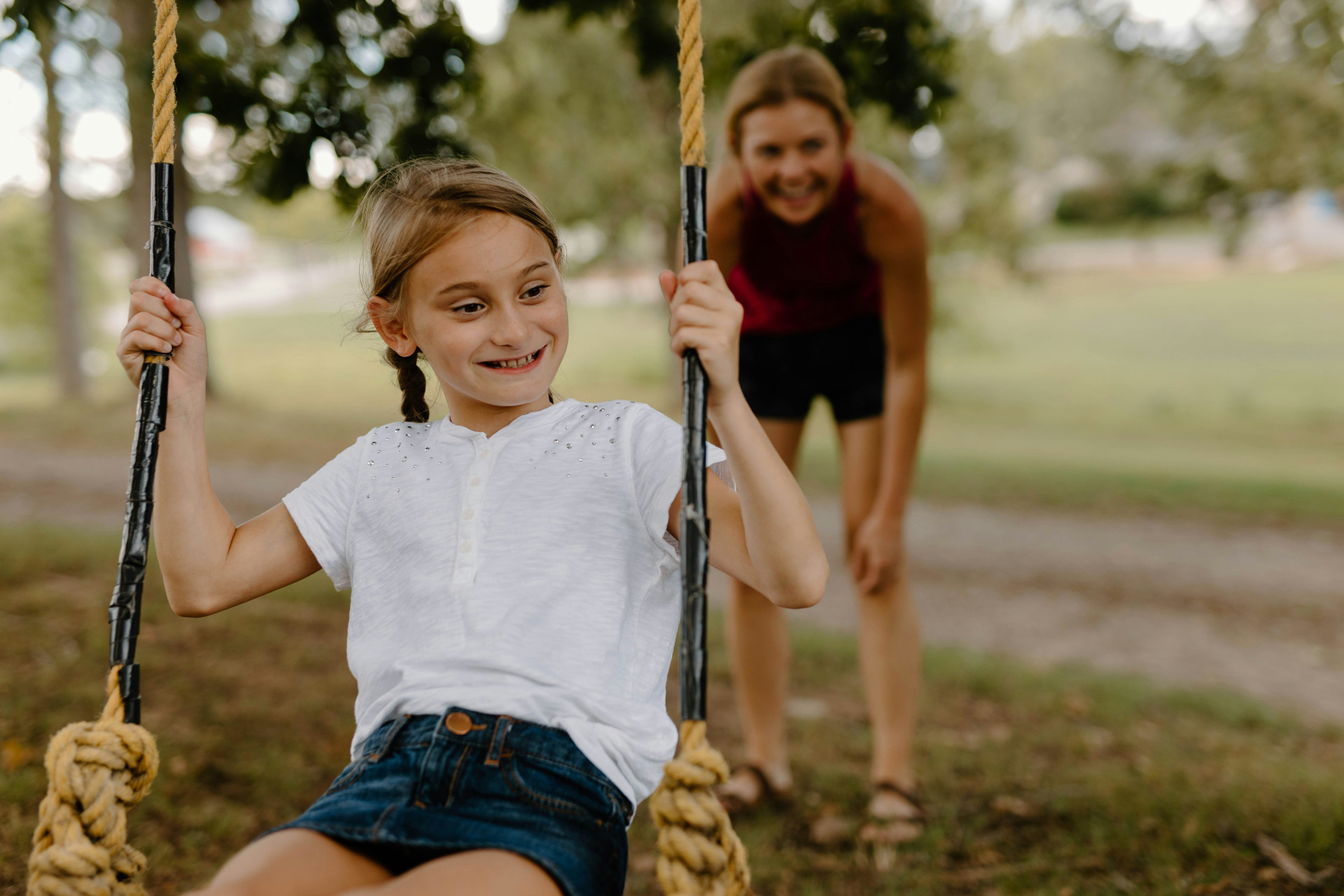
When children play outside, something special happens. They run, climb, feel the wind in their hair and the ground beneath their feet. Nature becomes a playground that stimulates body, senses, and imagination – while strengthening children’s health and happiness. In a time when many kids spend more hours in front of screens than under open skies, rediscovering the value of outdoor life has never been more important.
Nature as a Health Booster
Research across the United States shows that children who spend regular time outdoors have better motor skills, stronger immune systems, and lower stress levels. Outdoor play encourages movement in countless ways – from balancing on a fallen log to running across uneven ground. These activities build strength, coordination, and body awareness.
Nature also has a calming effect. Green spaces reduce stress hormones and improve focus. Schools that incorporate outdoor learning or “forest days” often find that students are more attentive, cooperative, and emotionally balanced. Even short daily breaks outside can make a noticeable difference in children’s mood and energy.
Læs også:



Play, Learning, and Imagination in the Open Air
In nature, play is free and unstructured. A stick can become a magic wand, a fishing pole, or a sword. A pile of leaves can turn into a fort or a treasure chest. This kind of imaginative play nurtures creativity and problem‑solving – skills that serve children well throughout life.
Outdoor play is also hands‑on learning. Kids discover how snow melts, how worms move, and how the wind makes leaves dance. Nature becomes a living classroom where curiosity leads the way and learning happens through experience, not just instruction.
Building Social Skills and Confidence
Outdoor life strengthens social connections too. In nature, children learn to cooperate, share tools, and solve problems together. There’s room for both quiet reflection and wild adventure, and kids learn to respect one another and the environment around them.
Nature also invites children to test their limits safely. Climbing a little higher, jumping over a stream, or finding their way along a trail builds confidence and resilience. These small victories help children develop courage and self‑reliance – qualities that support both physical and emotional well‑being.
Simple Ways to Bring More Nature into Everyday Life
You don’t need a national park in your backyard to give your child more outdoor time. Small changes can make a big difference:
- Take a detour on the way home – let your child collect leaves, rocks, or pinecones along the way.
- Eat dinner outside – on the porch, in the yard, or at a nearby park.
- Start small nature projects – plant herbs, build a bird feeder, or create a bug hotel.
- Plan weekend adventures – visit a local trail, beach, or nature preserve and let your child explore freely.
- Set screen‑free hours – give space for calm, curiosity, and spontaneous play without digital distractions.
The key isn’t how far you go, but that you go outside – and that nature becomes a natural part of daily life.
Nature as a Counterbalance to a Busy World
In a fast‑paced culture filled with schedules, activities, and screens, nature offers children (and adults) a much‑needed pause. Outside, there’s no pressure to perform – only the chance to be present. It’s in those unhurried moments of exploration that nature’s playground reveals its greatest gift.
Giving children access to nature is more than a leisure choice – it’s an investment in their health, happiness, and lifelong well‑being.
Læs også: