Safe Play in Large Parks – How to Create Secure Spaces for Children’s Free Exploration

Safe Play in Large Parks – How to Create Secure Spaces for Children’s Free Exploration
Large parks and open green spaces are wonderful places for children to play, explore, and grow. They offer room to run, climb, imagine, and connect with nature – all essential parts of a healthy childhood. But for parents, caregivers, and educators, it can be challenging to balance freedom and safety. How can we create environments that allow children to explore freely while keeping them secure? Here are some ideas for supporting safe and confident play in large parks.
Freedom and Safety – Two Sides of the Same Coin
Children learn through play. When they have the chance to explore their surroundings on their own, they develop coordination, confidence, and social skills. But to take those steps, they need to feel safe – knowing that a trusted adult is nearby, watching without hovering.
The goal isn’t to monitor every move, but to create a sense of security. A good rule of thumb is to stay “close enough to help, but far enough to give space.” This balance helps children build independence while knowing support is within reach.
Get to Know the Area – and Talk About It Together
Before play begins, take a short walk around the park with your child. Point out fun areas to explore and places that require extra care – such as ponds, steep hills, or busy paths.
Set simple, clear boundaries that children can remember:
- “You can play freely, but stay within this area.”
- “If you get turned around, come back to this bench.”
- “Let me know if you want to go somewhere else.”
When children understand the limits, they gain confidence to explore – and you can relax knowing they’re aware of their surroundings.
Safety Starts with Preparation
Even though parks are designed for recreation, unexpected situations can arise. A little preparation goes a long way:
- Check the weather – wet equipment can be slippery, and sunny days call for sunscreen, hats, and plenty of water.
- Bring a small first-aid kit with bandages and antiseptic wipes.
- Agree on a meeting spot in case someone gets separated.
- Pack snacks and water to keep energy levels steady.
If you’re supervising a group, consider giving children bright hats or shirts so they’re easy to spot in a crowd.
Play That Builds Body and Imagination
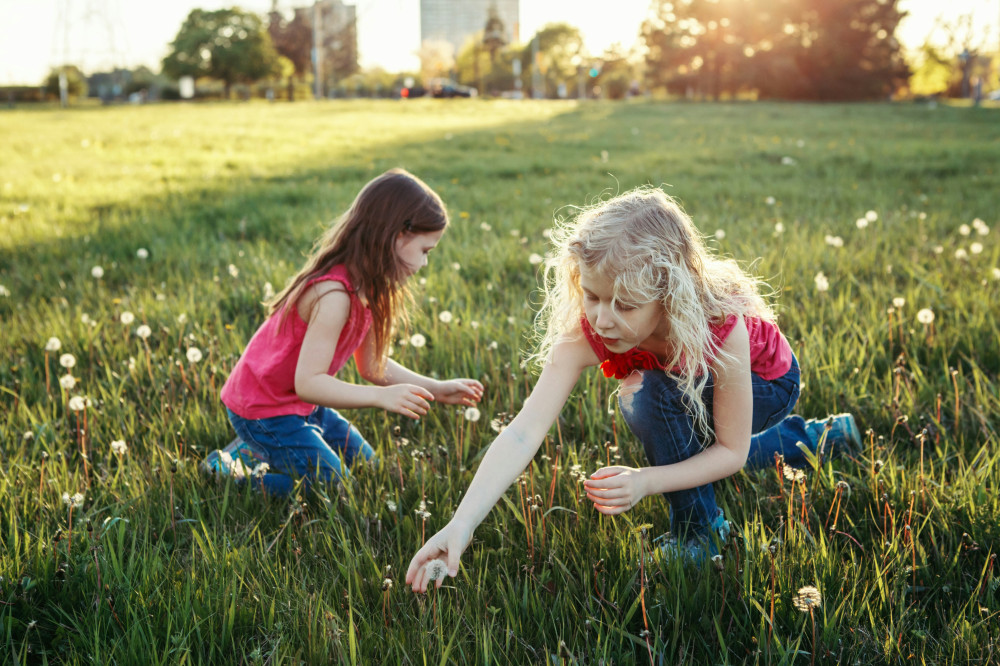
Large parks offer endless opportunities for different kinds of play – from active games to creative exploration. Variety helps children develop both physically and mentally.
- Physical play: Climbing trees, running hills, and balancing on logs build strength and coordination.
- Creative play: Sticks, leaves, and stones can become magic wands, forts, or miniature worlds.
- Social play: Tag, hide-and-seek, and role-playing games teach cooperation and empathy.
Adults can support by showing interest and asking open-ended questions like, “How did you build that fort?” or “What’s happening in your game now?” – without taking over the play.
Læs også:
When Accidents Happen
Scrapes and bumps are part of outdoor play. What matters most is how adults respond. Stay calm, offer comfort, and help the child reflect on what happened. Often, a bandage and a reassuring word are all that’s needed before they’re ready to jump back in.
If a child gets scared, turn the moment into a learning experience: “What could you do differently next time?” This helps transform a setback into growth and resilience.
Building a Culture of Safe Play
Safe play isn’t just about rules – it’s about creating a culture of trust and responsibility. Children thrive when adults show confidence in them and when they learn to look out for one another.
If you’re part of a group or community program, talk with children about how to keep each other safe. Simple reminders like “We help if someone falls” or “We wait for each other when we run” can make a big difference.
When children experience that safety and freedom go hand in hand, they become more confident, caring, and independent.
A Park Full of Possibilities
Large parks are like miniature worlds waiting to be explored. With a bit of preparation and a calm, supportive approach, you can give children the freedom they need to play, imagine, and grow – all within a safe environment.
So next time you head to the park, let the kids take the lead. Find a bench, enjoy the view, and know that you’ve created the perfect conditions for them to explore the world with confidence and joy.
Læs også: