Children’s Rights in Practice: From Principles to Everyday Action


Children’s Rights in Practice: From Principles to Everyday Action
Children’s rights are not just lofty ideals written into international treaties or national laws. They are part of everyday life — in schools, families, communities, and in every interaction between adults and children. But how do we turn these principles into real, lived experiences so that every child feels respected, protected, and heard?
From Convention to Daily Life
The United Nations Convention on the Rights of the Child (UNCRC) affirms that every child has the right to protection, care, education, and participation. The United States has not formally ratified the Convention, but its principles have influenced many areas of American policy and practice — from child welfare and education to juvenile justice and healthcare.
Turning these principles into action requires more than laws or policies. It calls for a shared commitment among parents, teachers, social workers, healthcare providers, and community leaders to make children’s rights a living reality in everyday decisions and relationships.
The Right to Be Heard
One of the most powerful ideas in the UNCRC is that children have the right to express their views in matters that affect them. This principle can be applied in both major life decisions — such as custody arrangements or school placements — and in small, daily choices.
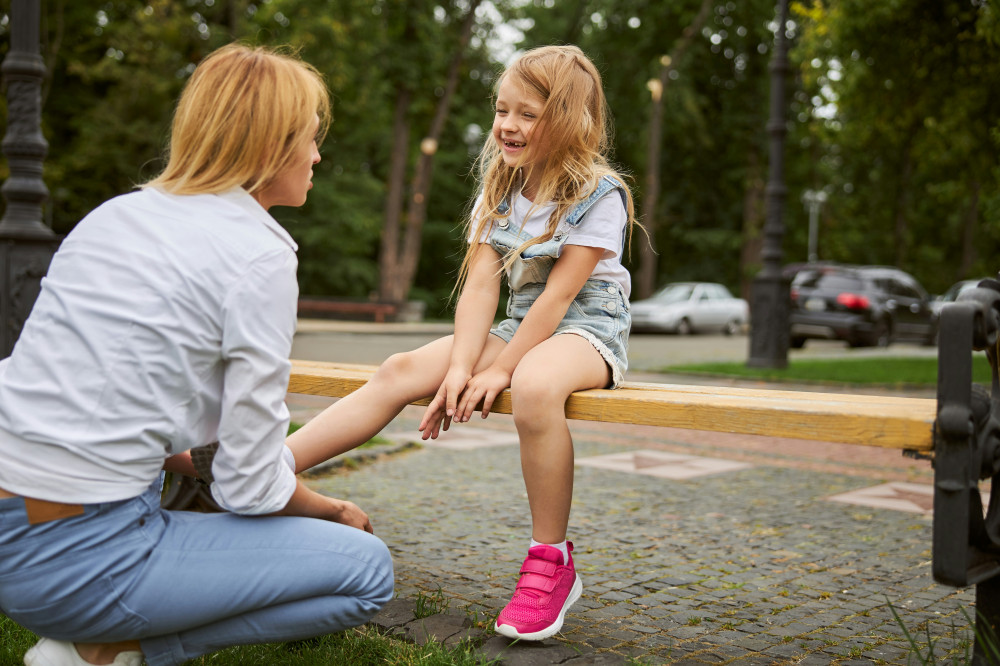
In practice, this means adults must take time to listen. In schools, students can be involved in shaping classroom rules or school improvement plans. At home, parents can invite children to share their opinions about family routines or responsibilities. Listening does not mean always agreeing, but it does mean taking children’s perspectives seriously and showing them that their voices matter.
Safety and Protection — A Shared Responsibility
Every child has the right to grow up free from violence, neglect, and abuse. In the U.S., teachers, doctors, and other professionals are mandated reporters — legally required to act if they suspect a child is in danger. But protection goes beyond responding to harm; it also means creating environments where children feel emotionally safe and supported.
Bullying, exclusion, and excessive pressure can harm a child’s sense of security just as much as physical danger. Schools and youth programs can play a key role by promoting kindness, inclusion, and mental well-being — and by involving children themselves in building positive, respectful communities.
Læs også:

Equality and Respect — Rights for Every Child
Children’s rights apply to all children, regardless of race, gender, disability, religion, or family background. Yet inequalities persist in access to quality education, healthcare, and support services across the United States. Children from marginalized communities — including those living in poverty, in foster care, or with disabilities — often face additional barriers.
Putting children’s rights into practice means paying attention to these disparities and ensuring that every child has the opportunity to thrive. Equality does not mean treating everyone the same; it means giving each child the support they need to reach their full potential.
Rights in Schools and Communities
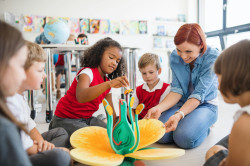
Schools are one of the most important places where children’s rights can come to life. Beyond teaching about democracy and fairness, schools can model these values through their daily practices. Student councils, peer mediation programs, and inclusive classroom discussions all help children experience what participation and respect look like in action.
Outside of school, community organizations, sports teams, and after-school programs can also promote children’s rights by giving young people a voice in planning activities and setting rules. When children see that their opinions shape their environment, they learn responsibility, empathy, and confidence.
Parents as Role Models and Advocates
Parents are the first and most influential defenders of children’s rights. Everyday actions — listening, explaining decisions, setting boundaries with respect — help children feel valued and secure. Parents can also advocate for their children’s rights in schools, healthcare settings, and local communities.
Knowing where to turn for help is equally important. Whether it’s a school counselor, a pediatrician, or a local support organization, families should feel empowered to seek assistance when a child’s well-being is at risk. Rights only become real when they are understood and used.
From Words to Action — A Collective Effort
Making children’s rights a reality is a shared project. It requires cooperation among families, educators, professionals, and policymakers — and a willingness to keep asking what respect, safety, and participation mean in today’s world.
When children are heard, protected, and treated with dignity, their rights are no longer just principles on paper. They become part of the fabric of everyday life — shaping a society where every child can grow, learn, and belong.
Læs også: