Play as Learning: How Young Children Develop Motor, Language, and Social Skills

Play as Learning: How Young Children Develop Motor, Language, and Social Skills
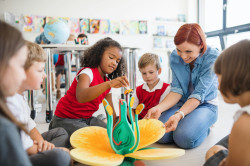
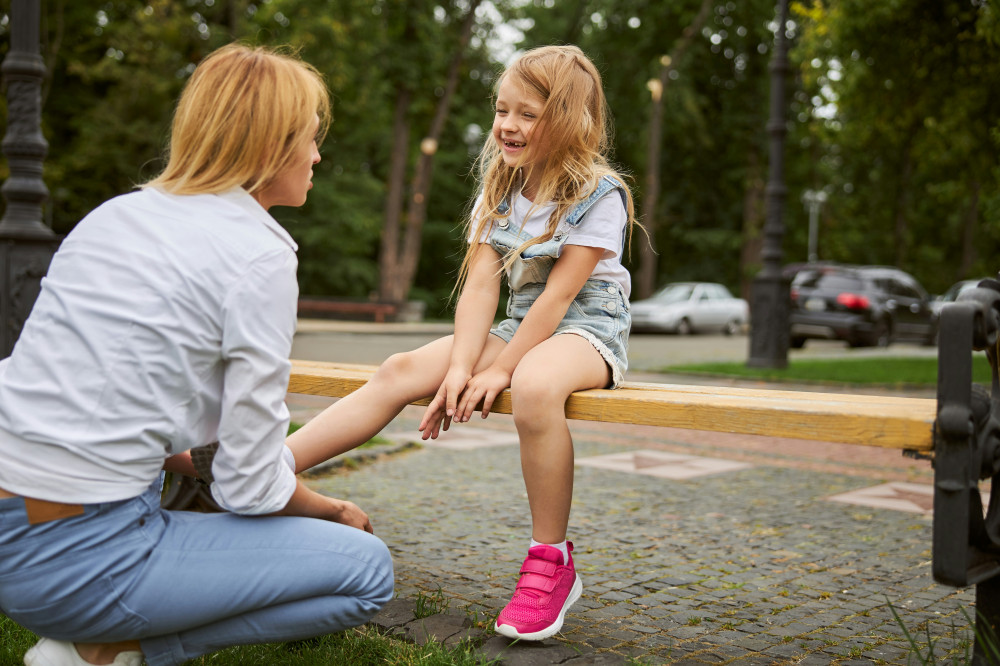
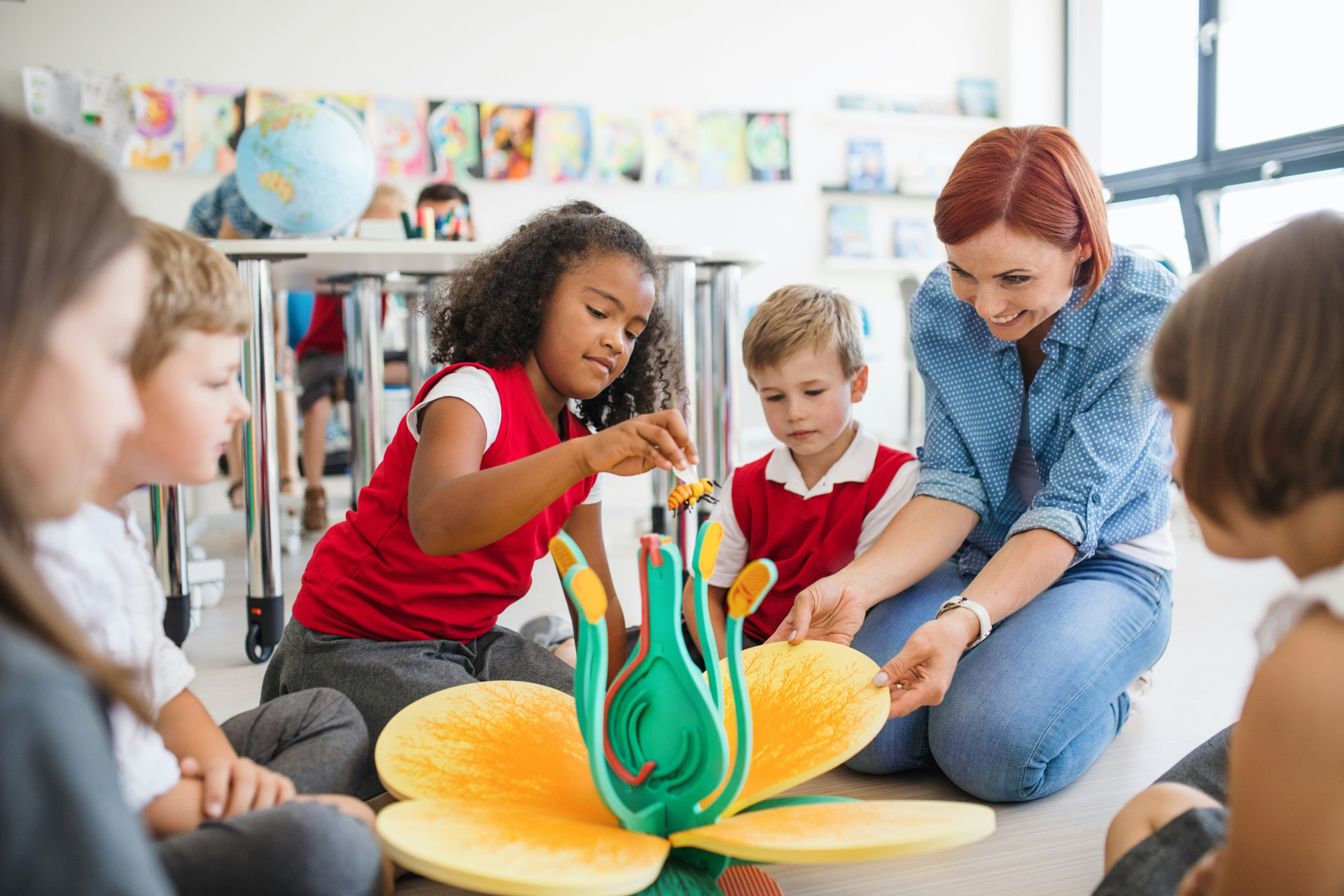
When young children play, it’s more than just fun and games – it’s a vital part of how they grow and learn. Through play, children explore their world, develop coordination, build language, and learn how to connect with others. Play is a child’s natural way of understanding life, and it lays the foundation for many of the skills that will help them succeed in school and beyond.
Here’s a closer look at how play supports children’s motor, language, and social development – and how parents, caregivers, and educators can nurture that growth every day.
Motor Skills: Learning Through Movement
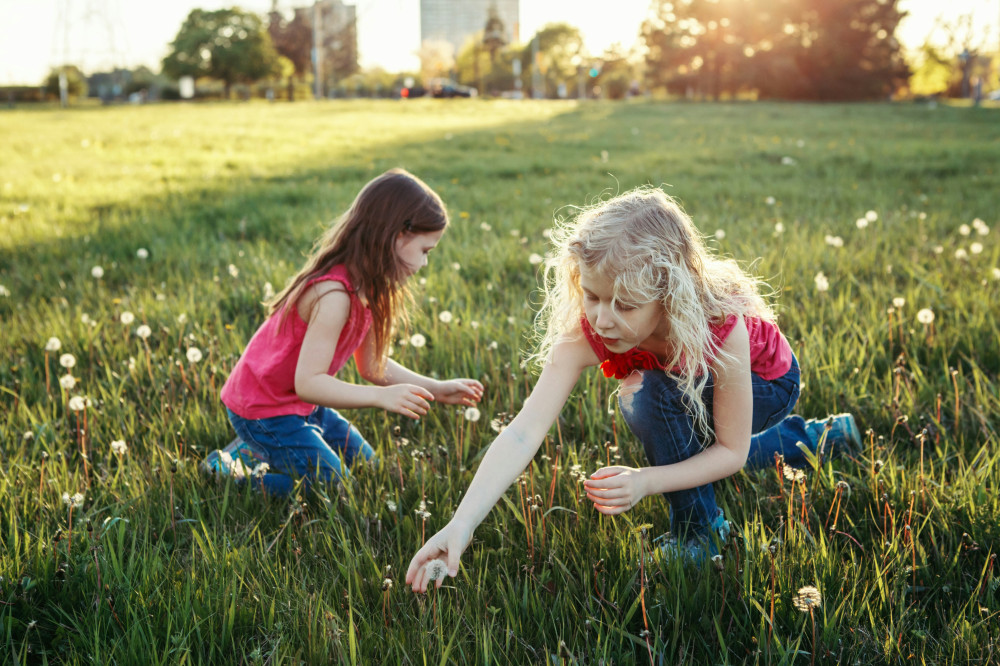
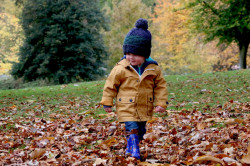
Children experience the world through their bodies. When they crawl, jump, climb, or dance, they’re not just burning energy – they’re building strength, balance, and coordination.
- Gross motor skills develop through active play like running races, swinging, climbing playground structures, or playing ball. These activities help children understand how their bodies move and how to control those movements.
- Fine motor skills grow when children stack blocks, draw, thread beads, or play with small toys. These activities strengthen hand-eye coordination and precision – skills that later support writing, cutting, and using tools.
Adults can support motor development by giving children plenty of opportunities to move, both indoors and outdoors. Let them explore, even if it means getting a little messy. Every tumble, jump, and climb helps their bodies learn what they can do.
Language: When Play Becomes Communication
Language blossoms through interaction, and play provides the perfect setting for it. When children engage in pretend play, sing songs, or tell stories, they practice using words, listening, and understanding others.
In pretend play – like “house,” “store,” or “superhero” – children use language to negotiate roles, express feelings, and create stories. This builds vocabulary and helps them see things from different perspectives.
Play also teaches that language can be used in many ways: to ask questions, explain ideas, comfort a friend, or simply be silly with sounds. Adults can encourage language growth by joining in the play, asking open-ended questions, repeating and expanding on what the child says, and showing genuine interest in their stories.
Even simple games like “I Spy” or rhyming challenges can make language learning lively and fun.
Social Skills: Cooperation, Empathy, and Taking Turns
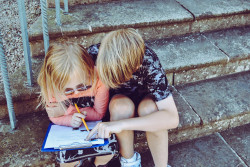
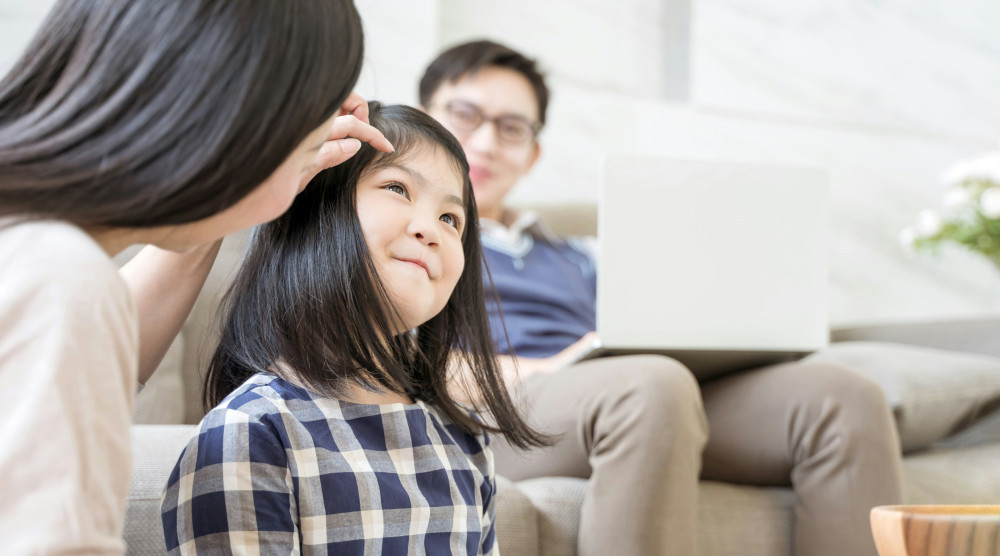
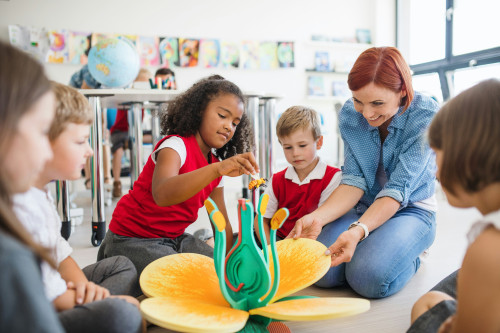
When children play together, they learn how to share, cooperate, and solve problems. Play is a social laboratory where they practice understanding others’ feelings and needs.
In group games like hide-and-seek, building projects, or board games, children must agree on rules, wait their turn, and handle disagreements. These experiences build empathy, patience, and self-control – essential skills for forming healthy relationships later in life.
Adults can support this growth by creating opportunities for group play and helping children put words to their emotions: “I can see you’re upset that he took the truck. What can we do to fix it?” This kind of guidance teaches that conflicts can be resolved through communication and understanding.
Læs også:

The Many Forms of Play – and Why Variety Matters
There’s no single “right” way to play. Some children love active, physical play, while others prefer quiet, imaginative activities. What matters most is variety – giving children chances to move, create, think, and connect.
- Free play allows children to follow their curiosity and develop independence.
- Structured play with adults introduces new ideas, rules, and challenges.
- Creative play with music, art, or building materials sparks imagination and problem-solving.
By mixing different types of play, children develop a well-rounded set of skills that strengthen their bodies, minds, and social abilities.
Play as Learning – for Life
Play isn’t just for toddlers. A playful approach to learning continues through childhood – and even into adulthood. When we play, we’re open, curious, and engaged. Those same qualities make learning meaningful and lasting.
For young children, play is the most natural way to understand the world. When they build, sing, run, and laugh, they’re learning far more than meets the eye. Play isn’t just a way to pass the time – it’s the foundation for all learning.
Læs også: