Grow Strong Through Movement: Motor Development as a Foundation for Learning

Grow Strong Through Movement: Motor Development as a Foundation for Learning
When children run, jump, climb, and play, they’re doing far more than burning off energy. They’re building the foundation for learning, confidence, and lifelong health. Motor development—the ability to control and coordinate movement—is deeply connected to how children think, focus, and interact with others. Research in child development and neuroscience shows that physical activity supports brain growth, emotional regulation, and academic readiness. But how exactly does movement shape learning, and how can parents, teachers, and caregivers help children grow strong through movement?
The Body as the Basis for Learning
A child’s first experiences of the world are physical. From reaching and rolling to crawling and walking, every movement helps wire the brain for more complex skills later on. Motor development is not just about muscles—it’s about the brain learning to organize and respond to sensory information.
When children move, their senses work together: balance, touch, sight, and hearing all contribute to understanding space and motion. These sensory experiences strengthen neural connections that support attention, memory, and problem-solving. In this way, movement is not an “extra” to learning—it’s a prerequisite for it.
Læs også:

Play: The Engine of Growth
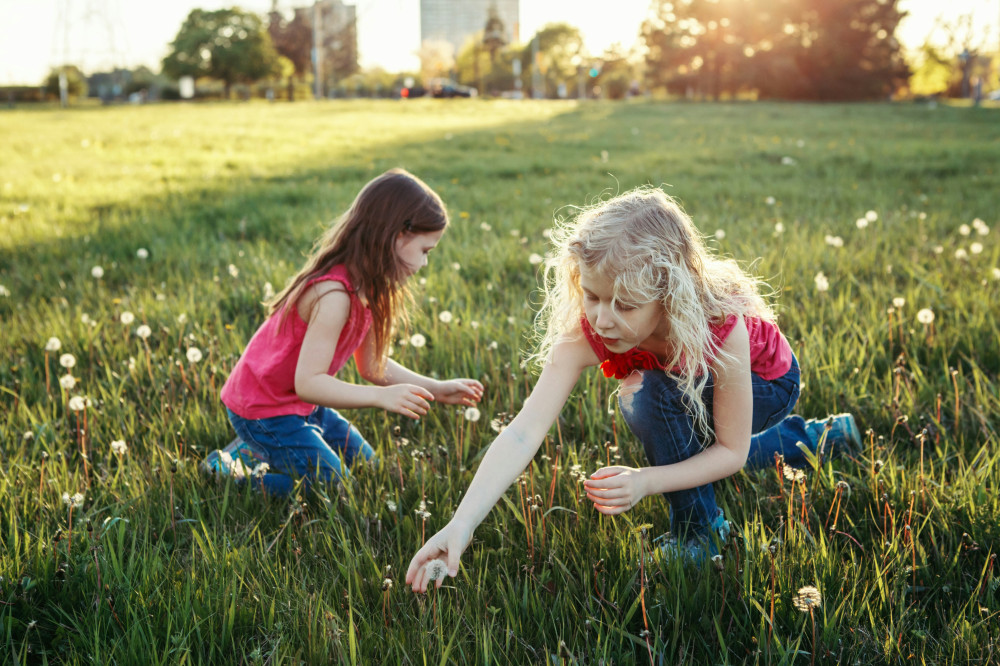
Play is how children naturally learn. Through play, they test their bodies, explore their surroundings, and develop creativity and resilience. When kids climb on playground equipment, ride bikes, or play tag, they’re not only improving balance and coordination—they’re also learning cooperation, turn-taking, and how to handle challenges.
The combination of physical activity and social interaction makes play uniquely powerful. It supports both physical fitness and the cognitive and emotional skills that underlie learning. That’s why unstructured playtime—indoors and outdoors—is essential for healthy development.
School Readiness and Motor Skills
Starting school brings new demands: sitting still, focusing attention, and using fine motor skills for writing and drawing. Children who have had plenty of opportunities to move and play often find these tasks easier. Their bodies are ready to support their minds.
Teachers can help by weaving movement into the school day. Short activity breaks, lessons that involve physical motion, and games that combine movement with language or math can all boost engagement and learning. The goal isn’t to replace traditional instruction but to balance it with active learning that keeps both body and brain alert.
Supporting Your Child’s Motor Development
Motor development thrives on variety, joy, and exploration. Here are some simple ways to encourage it at home:
- Make time for free play – Let your child invent games and explore movement without too much direction.
- Head outdoors – Parks, backyards, and nature trails offer natural challenges that build strength and coordination.
- Play with rhythm and balance – Dancing, hopping, and ball games help develop timing and body awareness.
- Be active together – Family walks, bike rides, or backyard games show that movement is part of everyday life.
- Celebrate effort and curiosity – Focus on your child’s enthusiasm and persistence, not just performance.
The key is to connect movement with enjoyment and confidence. When children feel capable in their bodies, they’re more open to learning and exploring new things.
From Movement to Lifelong Learning
Motor development doesn’t end in childhood—it lays the groundwork for a lifetime of physical, mental, and social well-being. Children who grow up moving, playing, and exploring learn to trust their bodies and their abilities. They carry that confidence into school, relationships, and beyond.
To “grow strong through movement” means more than building muscles. It’s about nurturing the whole child—body, mind, and spirit. By giving children the freedom and encouragement to move, we give them the tools to understand themselves, connect with others, and keep learning throughout life.
Læs også: