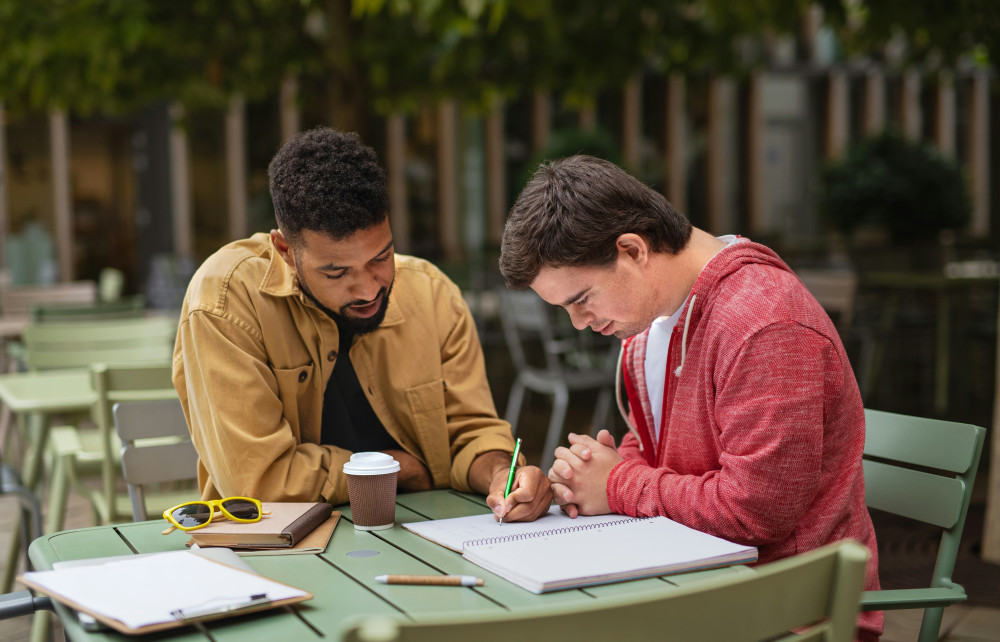
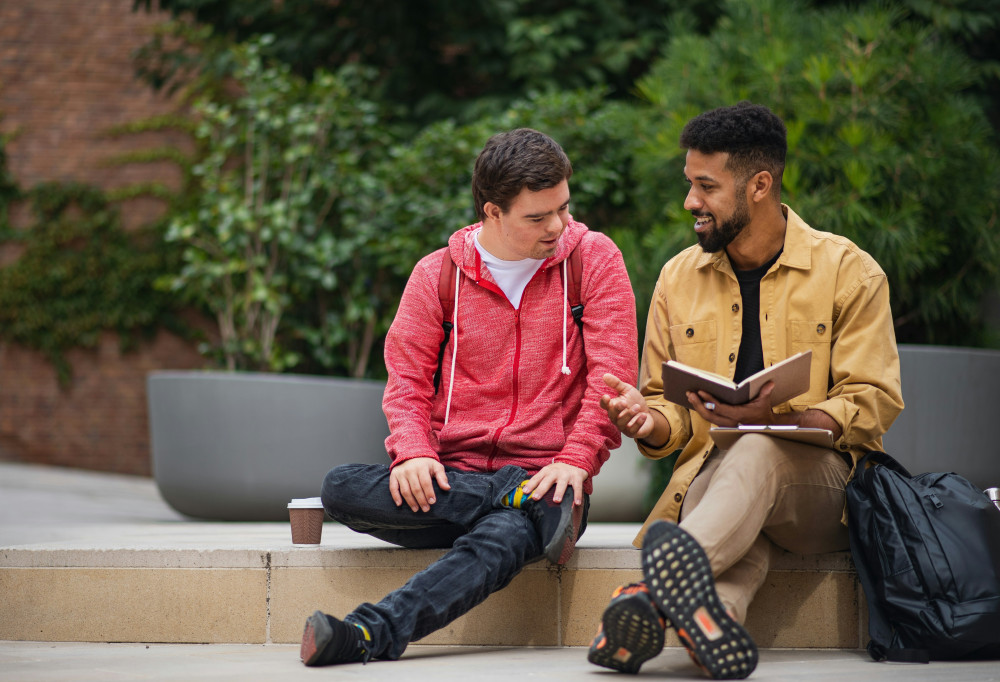
Seeing the World in Their Own Way: Understanding and Supporting Children with Special Needs

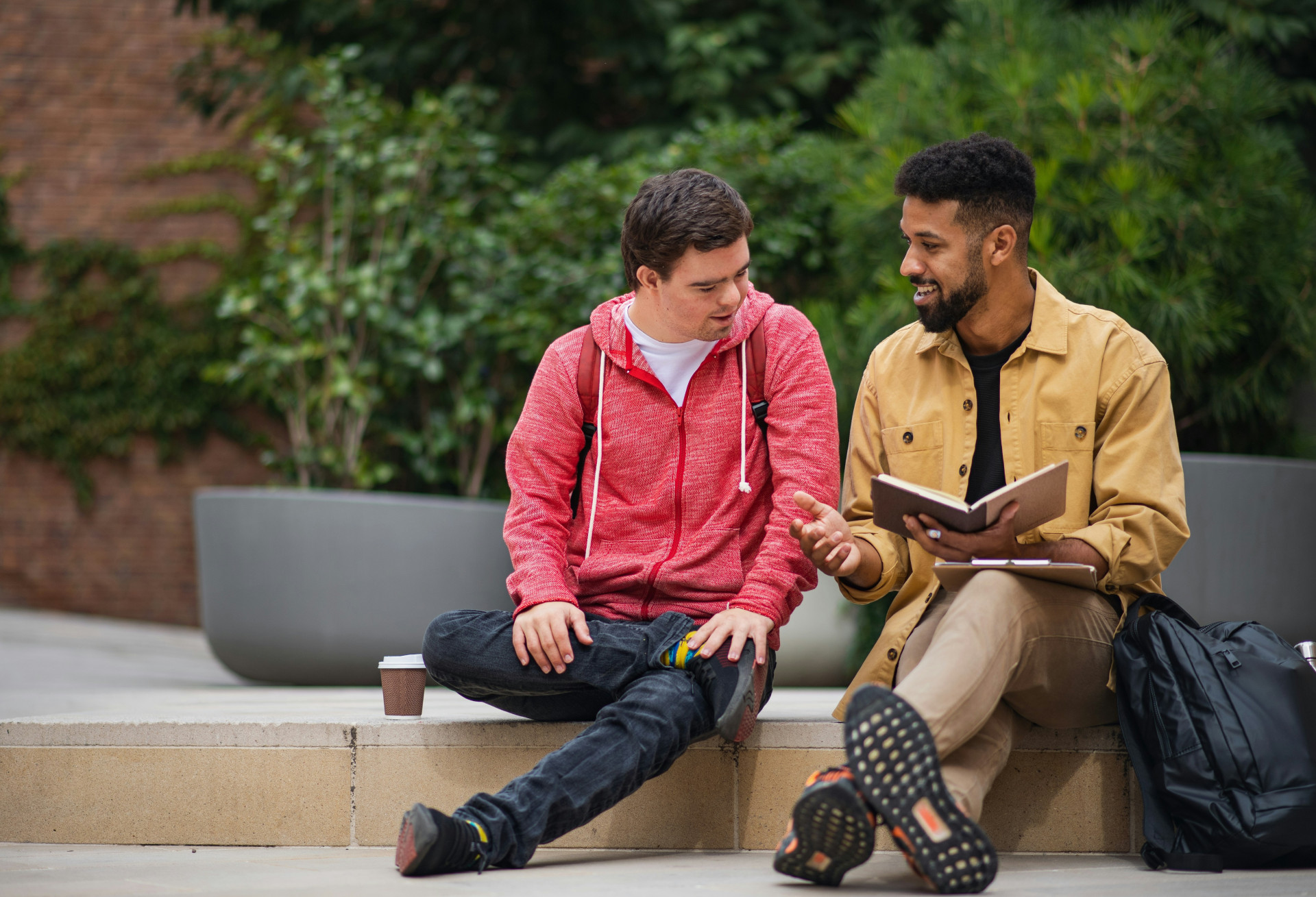
Seeing the World in Their Own Way: Understanding and Supporting Children with Special Needs
Growing up with special needs doesn’t mean a child is less curious, intelligent, or loving—it means they experience the world differently. For some, sounds, lights, or textures may feel more intense. For others, social cues can be confusing, or focusing in a busy classroom can be a daily challenge. As parents, teachers, and caring adults, we can make a profound difference by understanding what lies behind a child’s behavior—and by meeting them with patience, structure, and respect.
What Does It Mean to Have Special Needs?
The term special needs covers a wide range of differences—physical, cognitive, social, and emotional. It can include diagnoses such as ADHD, autism, dyslexia, or anxiety, but it can also refer to children who need extra support for a period of time due to illness, trauma, or family changes.
What all children with special needs have in common is that they benefit when their environment adapts to them—not the other way around. As adults, we can ask ourselves: What is this child trying to communicate? Instead of focusing on what the child can’t do, we can focus on how to help them thrive and grow on their own terms.
Seeing the World Through the Child’s Eyes
For many children with special needs, the world can feel overwhelming. A typical school day filled with noise, transitions, and social expectations can drain their energy. When a child reacts with frustration, withdrawal, or restlessness, it’s often a sign of overload—not defiance.
Adults can support these children by trying to see the situation from their perspective. What’s making things hard right now? Are there too many sensory inputs, too many demands, or too little predictability? Small adjustments—like clear routines, quiet breaks, or visual schedules—can make a big difference.
The School’s Role: Structure and Flexibility
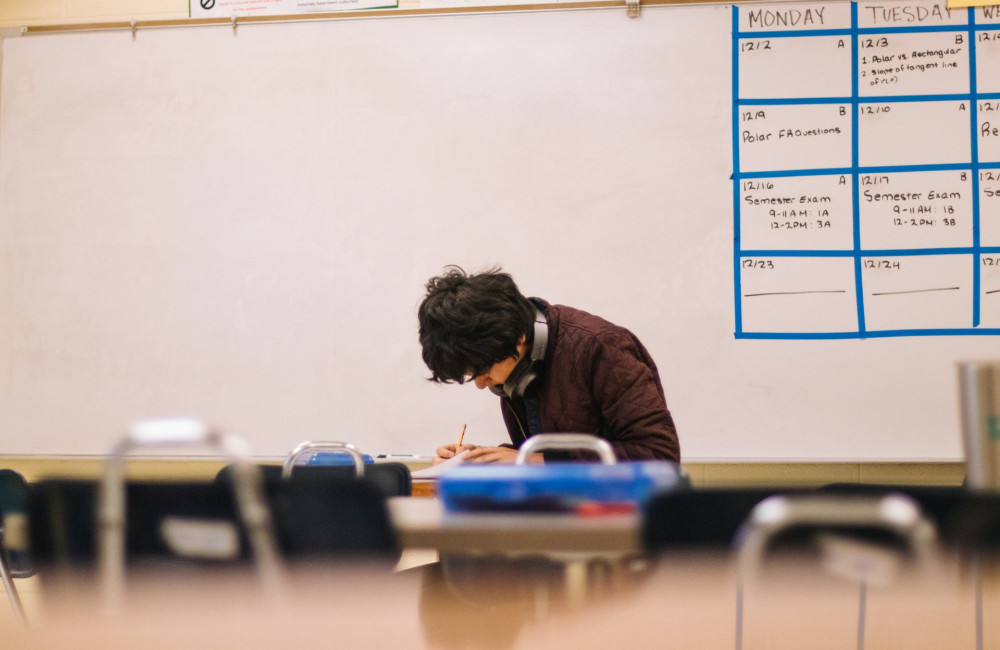
In American schools, teachers and support staff play a crucial role in creating an environment where every child can learn in their own way. This might mean offering extra time on assignments, providing sensory-friendly spaces, or using individualized education plans (IEPs) to tailor instruction to each student’s needs.
An inclusive classroom isn’t just about placing children with special needs alongside their peers—it’s about building a community where all students feel safe, valued, and capable. When teachers model understanding and flexibility, it encourages empathy and cooperation among all students.
The Parents’ Role: Patience and Partnership
Parenting a child with special needs can be both rewarding and demanding. There may be meetings with schools, therapy appointments, and worries about the future. Yet there are also moments of deep joy—when a child reaches a new milestone, however small, or finds confidence in their own abilities.
Strong collaboration between home and school is key. When parents and educators share insights and strategies, it becomes easier to find what works best for the child. And when children see the adults in their lives working together, it builds trust and security.
Læs også:



Small Steps, Big Progress
Progress for a child with special needs may look different from that of their peers. It might be joining a group activity for the first time, completing a full school day without a meltdown, or learning to ask for help instead of giving up. These moments deserve celebration—they show growth, resilience, and self-awareness.
As adults, we can focus on effort rather than perfection. Praise the child for trying, not just for succeeding. Encouragement builds confidence, and confidence fuels continued progress.
Building a Community Where Everyone Belongs
Supporting children with special needs is ultimately about creating a society that values diversity as a strength. When we teach all children—those with and without special needs—to understand and respect different ways of being, we nurture empathy and inclusion.
It takes time, knowledge, and compassion, but the reward is immense: children who feel seen, understood, and accepted grow up believing they have a place in the world—just as they are.
Læs også: