Everyone Pitches In: How to Build a Family Life Free of Gender Roles

Everyone Pitches In: How to Build a Family Life Free of Gender Roles
In many American households, old habits and expectations still linger—often without anyone noticing. Who does the laundry? Who cooks dinner, and who takes care of the car? Even though society has made progress, invisible patterns can still keep both adults and children stuck in traditional roles. But a family life free of gender roles isn’t about making everyone the same—it’s about creating balance, respect, and the freedom to be yourself.
Here’s how your family can consciously share responsibilities, care, and decision-making in ways that allow everyone to thrive—no matter their gender.
Start by Looking at Your Everyday Life
The first step is awareness. Take a close look at how things actually work in your home. Who does what—and why? Many tasks are divided by habit rather than by choice.
Make a list of your daily and weekly chores: cooking, cleaning, grocery shopping, scheduling, yard work, car maintenance, paying bills, planning birthdays. Then talk about how each person feels about the current setup. Does it feel fair? Are there tasks someone would like to swap or share differently?
When you put things into words, it becomes easier to see where you can adjust. It’s not about counting minutes—it’s about building a sense of shared responsibility.
Turn Chores into Shared Projects
A gender-equal family life doesn’t mean everyone has to do everything—it means everyone contributes in meaningful ways. Instead of dividing tasks by gender, divide them by interest, time, and energy.
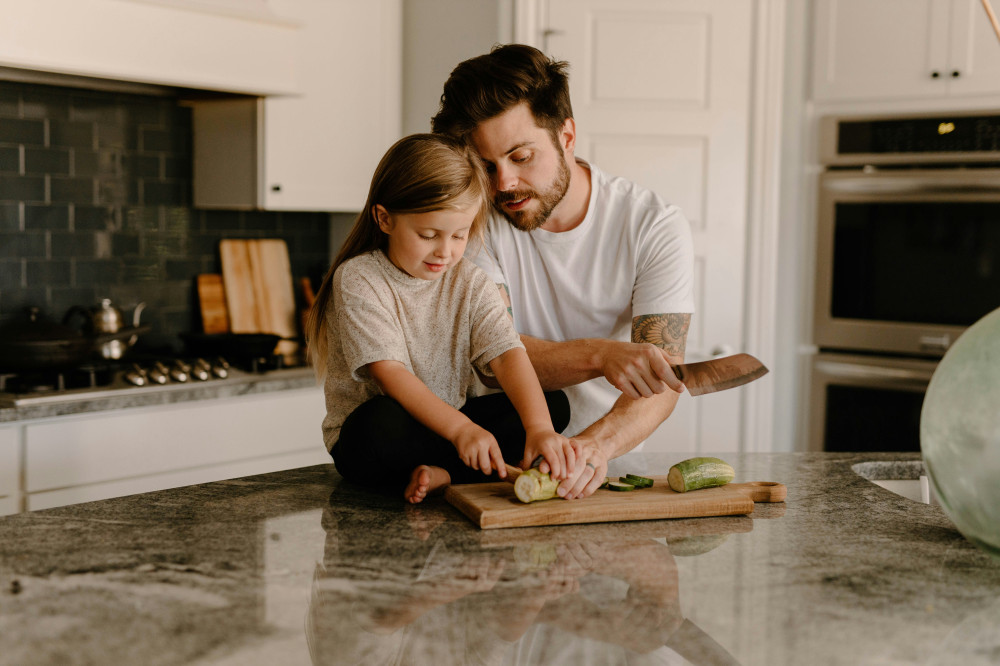
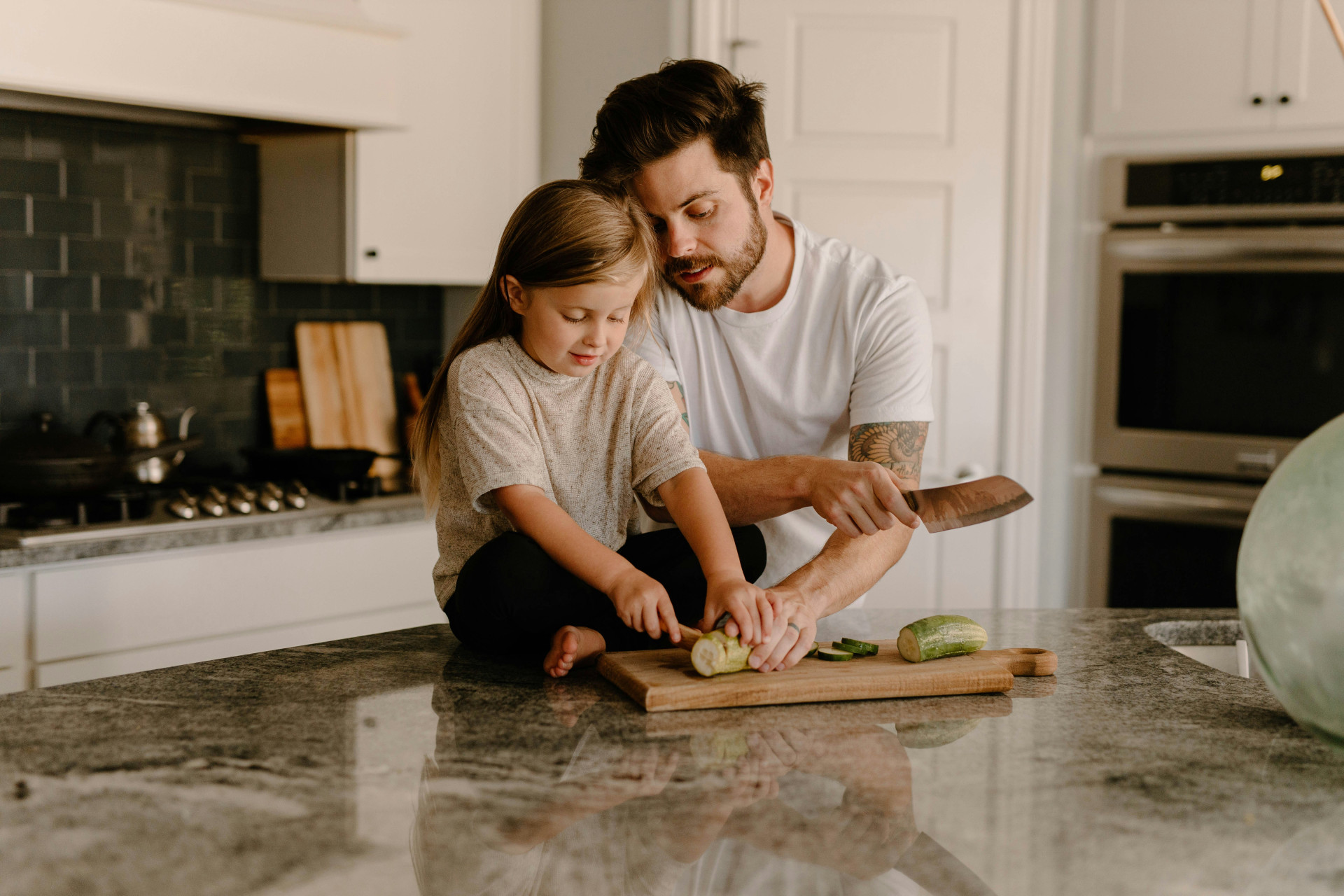
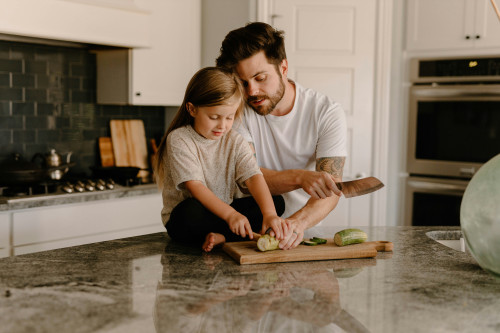
- Cook together – kids can wash vegetables, set the table, or help plan the week’s meals.
- Share practical tasks – maybe the person with more energy that day handles the dishes, while the other helps with homework.
- Switch roles intentionally – let Dad plan the birthday party and Mom handle the oil change. It sends a powerful message to kids that skills aren’t tied to gender.
When chores become shared projects, they feel lighter—and often more fun.
Talk Openly About Expectations
Many of the gender roles we follow without thinking come from how we grew up. Maybe you saw your mother manage the home while your father handled finances. It can be hard to break those patterns, but it starts with honest conversation.
Talk about what you expect from each other—both practically and emotionally. What does being a “good mom” or a “good dad” mean to you? You might discover that those old definitions don’t fit your current reality.
By talking openly, you can create new definitions of what it means to be partners and parents—without letting gender decide.
Give Kids a Free Starting Point
Children learn most from what they see. If they watch both parents cook, comfort, work, and fix things, they grow up understanding that everyone can contribute in many ways.
Avoid praising or expecting different things from boys and girls. Instead of saying “you’re such a strong boy” or “you’re such a sweet girl,” focus on effort and teamwork: “I love how you helped clean up.”
Let kids try everything—from baking to mowing the lawn—and let them choose what they enjoy. That freedom builds confidence and curiosity, unshaped by gender expectations.
Make Time for Reflection
A family life free of gender roles isn’t something you set once and forget. Life changes, and so do your needs. Sit down regularly to talk about how things are going. Does the division of tasks still feel fair? Is there something that needs to shift?
You might make it a monthly check-in—over coffee, dinner, or a walk. That way, equality becomes a natural part of your family culture, not just a one-time goal.
Læs også:



It’s About Freedom, Not Rules
Building a family life without gender roles is ultimately about freedom—the freedom to live the way you want, without being limited by old expectations.
When everyone pitches in and everyone’s contributions are valued, both respect and connection grow. It gives children a strong foundation—and gives adults a more balanced, fulfilling everyday life.
Læs også: