Small Tasks, Big Confidence: How Everyday Responsibility Boosts Boys’ Well-Being

Small Tasks, Big Confidence: How Everyday Responsibility Boosts Boys’ Well-Being
When boys are given the chance to take responsibility in everyday life—whether it’s feeding the family dog, setting the table, or helping plan a weekend outing—something important happens. They realize that their actions matter and that they can make a difference. This sense of purpose strengthens their confidence, independence, and connection to others. In short, small tasks can have a big impact on boys’ well-being.
Responsibility as a Building Block for Confidence
Confidence doesn’t appear out of nowhere. It grows when children experience success and feel trusted by the people around them. For many boys, who are often motivated by hands-on activities and visible results, small daily responsibilities can be a powerful way to build that sense of capability.
When a boy takes charge of walking the dog every morning or making sure his backpack is ready for school, he learns that his actions have real consequences. That experience fosters pride and competence, which can carry over into other areas—schoolwork, sports, and friendships.
Small Steps, Big Rewards
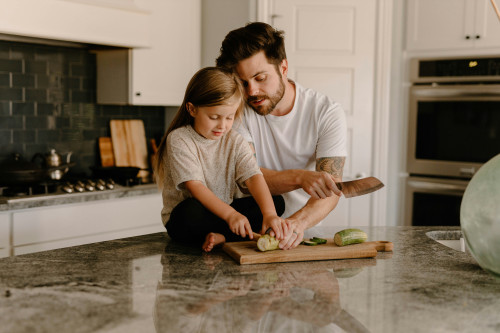
The goal isn’t to overload kids with chores, but to give them meaningful, age-appropriate challenges. A good rule of thumb is that tasks should be manageable but still require effort. Examples might include:
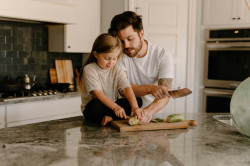
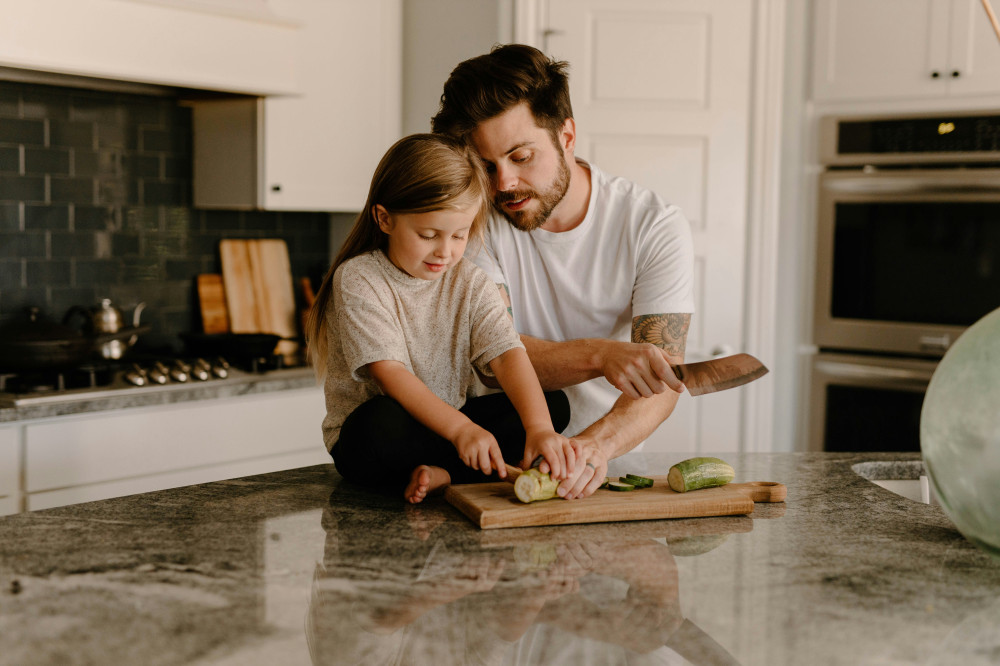
- helping cook dinner once a week
- keeping track of sports gear or school supplies
- taking out the trash or recycling
- planning a family activity or outing
When boys see that they can handle tasks on their own, their belief in their abilities grows. At the same time, they develop valuable life skills—organization, teamwork, and persistence—that will serve them well beyond childhood.
Læs også:


Recognition Makes the Difference
For responsibility to truly boost well-being, it needs to be paired with recognition. That doesn’t mean constant praise, but rather showing that you notice and appreciate effort. A simple comment like, “Thanks for remembering to take out the trash,” can go a long way.
Recognition also means allowing room for mistakes. When boys are encouraged to try, fail, and try again without harsh criticism, they develop a healthier attitude toward challenges. They learn that mistakes aren’t failures—they’re part of learning and growth.
Shared Responsibility Builds Belonging
When boys take on tasks that contribute to a group—whether it’s the family, a classroom, or a sports team—they experience what it means to be part of something bigger. Helping clean up after a game or assisting a classmate fosters connection and mutual respect.
Research on child development consistently shows that feeling valued and having a sense of belonging are key to mental health. Responsibility, then, isn’t just about practical skills—it’s about relationships and identity.
How Parents and Adults Can Support Responsibility
Parents, teachers, and mentors play a crucial role in helping boys develop a healthy sense of responsibility. Here are a few ways to support that growth:
- Start small – Choose tasks that fit the child’s age and maturity.
- Be clear – Explain why the task matters and how it helps others.
- Show trust – Let him figure out how to complete the task, even if it’s not perfect.
- Talk it through – Reflect together on what went well and what could be improved.
- Celebrate effort – Acknowledge persistence and progress, not just results.
When responsibility becomes a natural part of daily life, it also becomes a source of pride and joy. Boys who see that they can contribute meaningfully develop a stronger sense of self and are better prepared to face life’s challenges with confidence.
A Foundation for Growth and Well-Being
Giving boys responsibility is ultimately about giving them the opportunity to grow. It’s not about chores for the sake of chores, but about creating moments where they can feel capable and valued. Small tasks can become big steps toward lasting confidence—and a happier, more resilient life.
Læs også: