Role Models Mean Everything: Who Do Boys Really Look Up To?


Role Models Mean Everything: Who Do Boys Really Look Up To?
Ask a group of boys who their heroes are, and you’ll likely hear names of athletes, YouTubers, or musicians. But behind those quick answers lies a deeper story. Role models shape how boys see themselves, what they believe they can become, and how they understand what it means to be a man. The question isn’t just who boys look up to, but what they learn from them.
From Superheroes to Real-Life Mentors
When boys are young, their role models often come from fantasy worlds—superheroes, sports legends, or action figures. These figures represent strength, courage, and success. But as boys grow older, their ideals begin to shift. Many start to look up to people they actually know—teachers, coaches, older brothers, or fathers.
Research in the U.S. shows that boys who have positive male role models in their daily lives tend to do better socially and emotionally. It’s not about perfection; it’s about showing that a man can be both strong and kind, ambitious and caring, confident and vulnerable.
Læs også:


The Power—and Pressure—of Celebrity Role Models
In today’s digital world, many boys’ role models are people they’ll never meet. YouTubers, gamers, and professional athletes have enormous influence. They can inspire boys to pursue their passions, learn new skills, and believe in themselves. But they can also set unrealistic expectations about success, appearance, and lifestyle.
That’s why it’s important for parents and educators to help boys separate entertainment from reality. A basketball star who trains eight hours a day or an influencer who lives off sponsorships doesn’t represent everyday life. Talking about the hard work, failures, and setbacks behind success helps boys see a fuller, more realistic picture.
Fathers, Teachers, and Coaches: Everyday Role Models
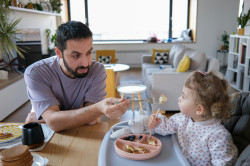
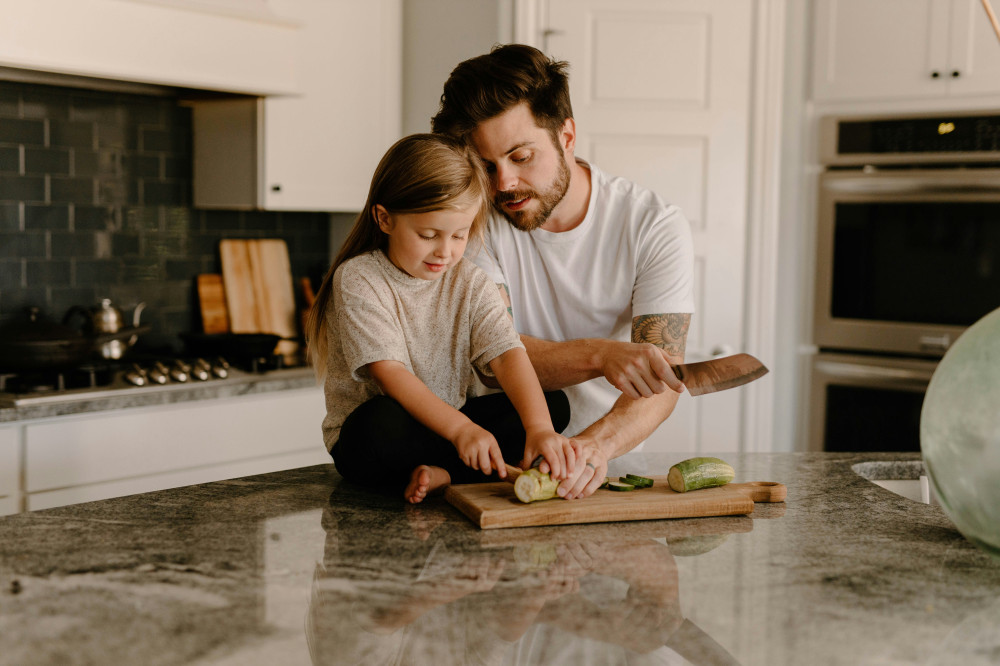
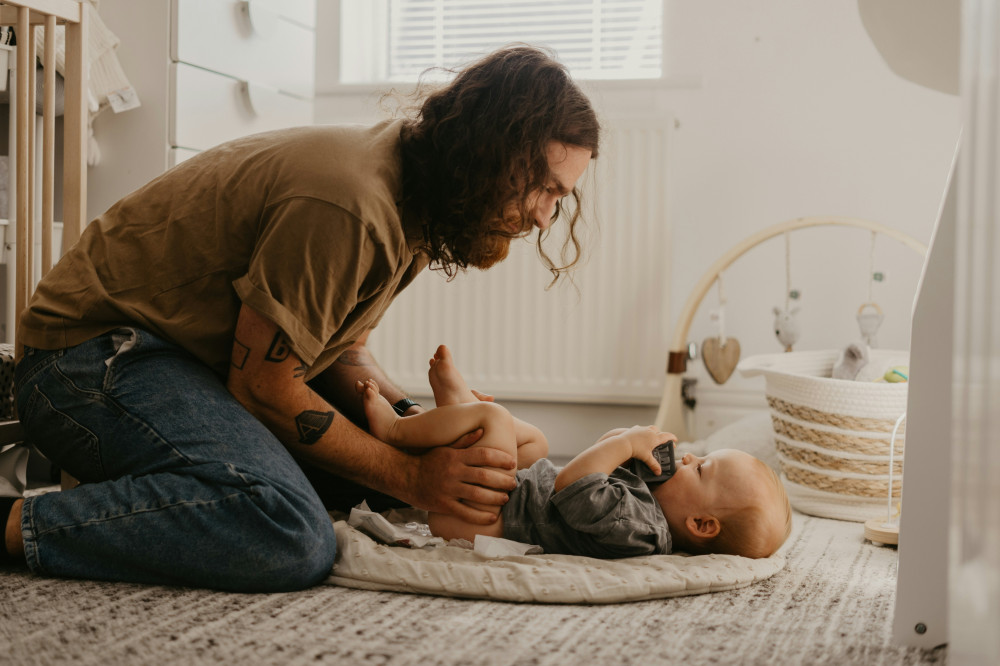
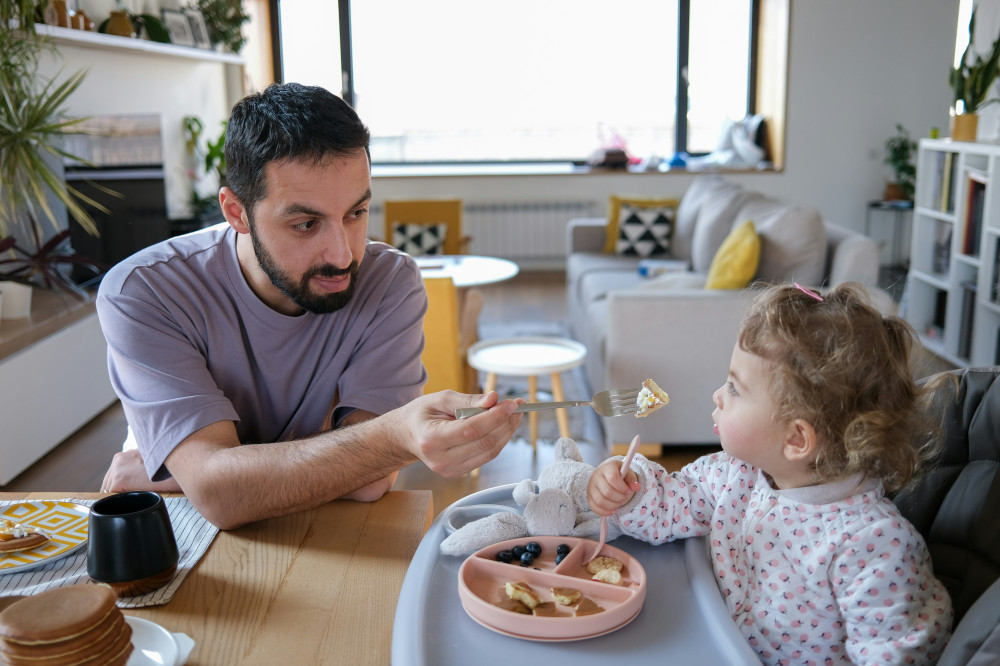
The most powerful role models are often the ones closest to home. A father who shows respect and empathy, a teacher who believes in a student, or a coach who encourages teamwork can have a lasting impact. Boys learn by watching how men handle conflict, express emotions, and take responsibility.
When men are open about their struggles, ask for help, or talk about what’s difficult, they send an important message: strength isn’t just about toughness—it’s also about honesty and courage on the inside.
The Shortage of Male Role Models
Across the U.S., especially in schools and early education, there are far fewer men than women working with children. That means many boys grow up without seeing men in nurturing or teaching roles. This can limit their understanding of what men can be.
Experts emphasize the importance of bringing more men into education and youth work—not because men are better role models than women, but because boys need to see that patience, empathy, and care are also masculine qualities.
When Role Models Are Missing—and How to Fill the Gap
Not every boy has access to stable role models. Some grow up without a father figure, others in communities where adults face their own challenges. In these cases, after-school programs, sports teams, and mentoring initiatives can make a huge difference. A coach who listens or a mentor who shows up consistently can change a boy’s life.
As a society, we can support boys by creating more spaces where they meet adults who model different ways of being a man. The goal isn’t to give them one definition of masculinity, but to show that there are many ways to be yourself.
Role Models Shape the Future
Role models aren’t just people to admire—they’re mirrors that help boys understand who they are and who they can become. When boys see men who are both strong and sensitive, driven and compassionate, they learn that they don’t have to choose between being “real men” and being good people. They can be both.
Talking with boys about who they look up to—and why—opens the door to conversations about values, dreams, and identity. In the end, it’s not only about who boys admire, but about the kind of men they grow up to be.
Læs også: