From Mush to Munch: How to Make the Transition to Solid Foods Safe and Fun

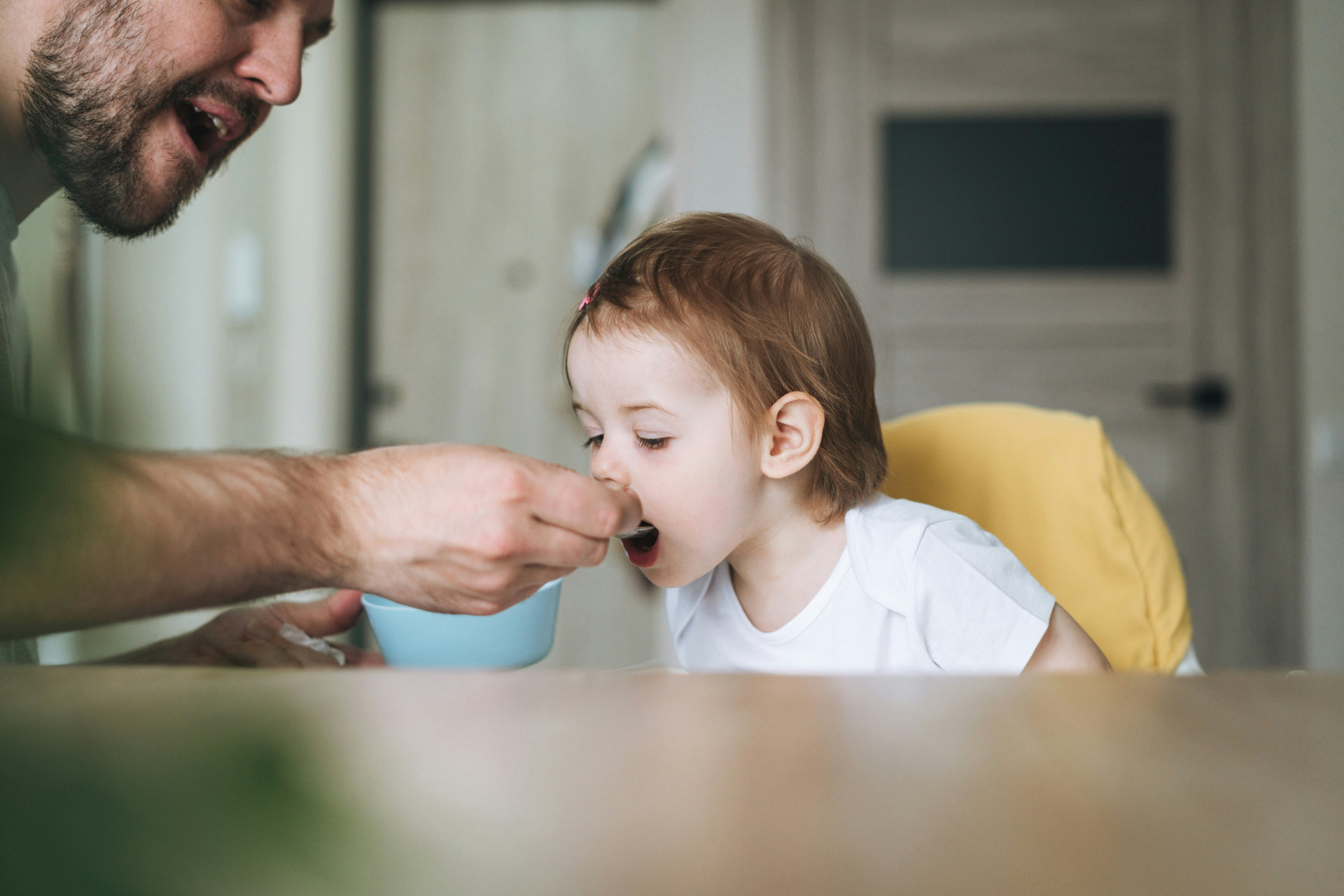
From Mush to Munch: How to Make the Transition to Solid Foods Safe and Fun
When your baby approaches six months of age, a new and exciting chapter begins: the move from milk to solid foods. It’s a time full of curiosity, messes, and little victories — but also plenty of questions. When is your baby ready? What should you start with? And how can you make mealtimes enjoyable for both of you? Here’s a guide to making the transition safe, fun, and full of flavor.
Signs Your Baby Is Ready
While age is a helpful guideline, your baby’s development matters more than the calendar. Most babies are ready for solids around six months, but some may be ready a bit earlier or later. Look for these signs:
- Your baby can sit with support and hold their head steady.
- They show interest in food — watching you eat or reaching for your plate.
- They can move food around in their mouth and swallow instead of pushing it out with their tongue.
If your baby still seems uninterested or struggles with the texture, wait a week or two and try again. There’s no rush — the goal is to make eating a positive experience.
Start Soft — Literally
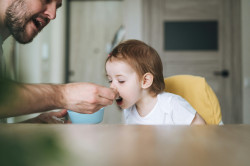
The first tastes aren’t about replacing breast milk or formula but about exploring new flavors and textures. Begin with small amounts — just a teaspoon or two — and increase gradually.
Good first foods include:
- Vegetable purées such as sweet potato, carrot, or peas.
- Fruit purées like apple, pear, or banana.
- Single-grain baby cereals such as oatmeal or rice cereal, mixed with breast milk or formula.
Keep foods simple — no added salt, sugar, or strong spices. Once your baby gets used to mild flavors, you can start mixing and matching.
Make Mealtime an Experience
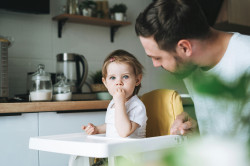
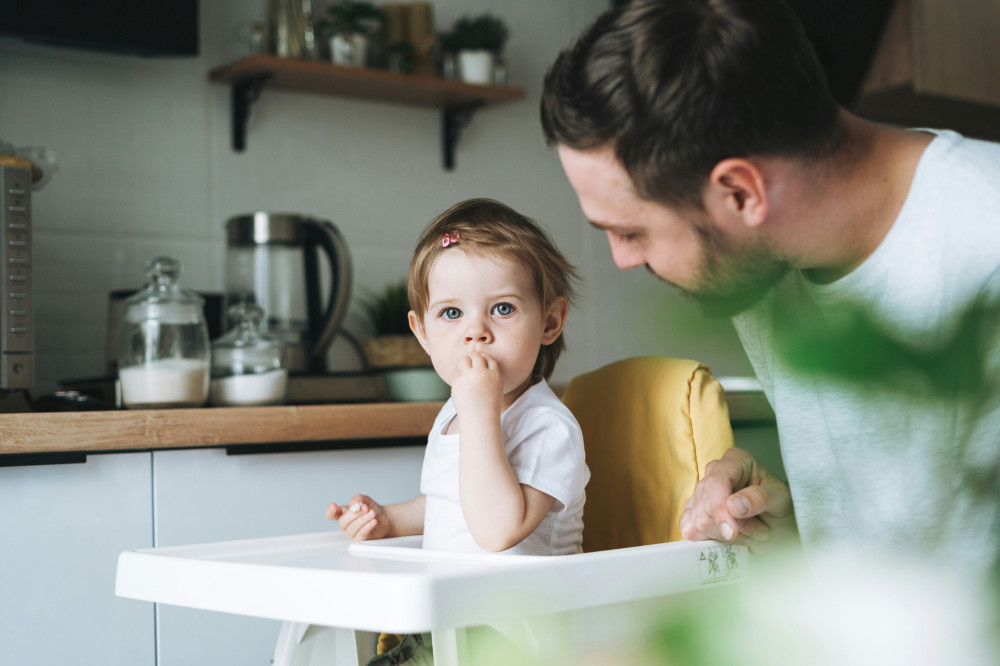
For your baby, food is more than nourishment — it’s play, learning, and connection. Create a calm, happy atmosphere at the table. Sit with your baby and eat together when possible. Babies learn by watching you, so seeing you enjoy your food helps them do the same.
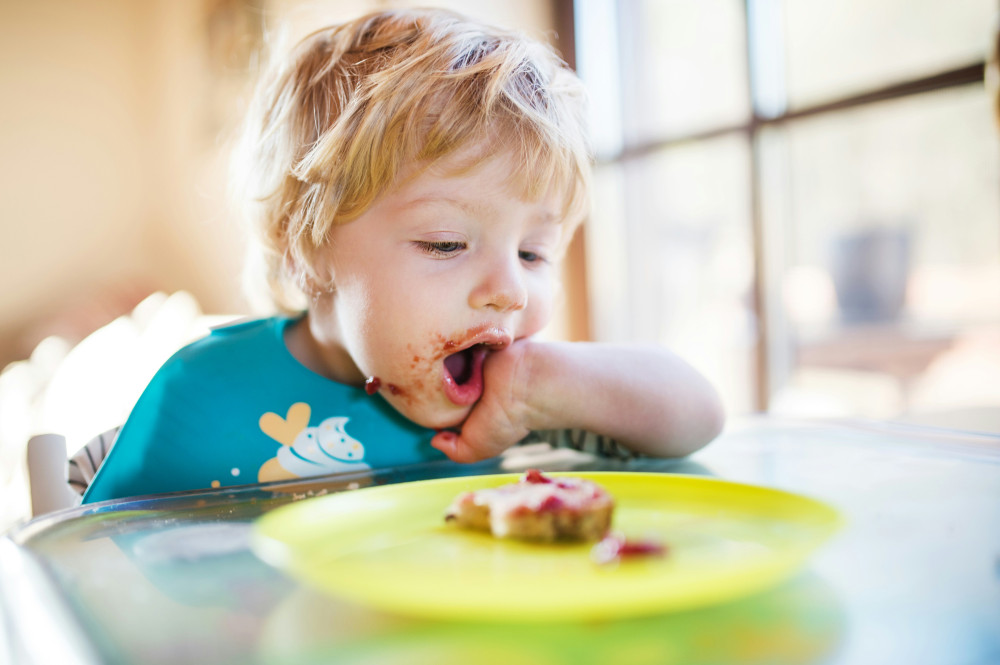
Let your baby touch, taste, and explore. It will get messy, but that’s part of the process. Handling food helps develop fine motor skills and curiosity. Keep a bib and a washcloth handy — and a sense of humor.
From Purées to Little Bites
As your baby becomes more comfortable, gradually make the texture thicker. Mash food with a fork instead of blending it smooth, and introduce small, soft pieces your baby can pick up. Try cooked vegetables, soft fruit slices, or small bits of pasta.
Many parents explore baby-led weaning, where babies feed themselves from the start. This approach encourages independence and helps babies learn to chew and recognize hunger and fullness cues. It can be messy and slow, but it’s a great way to build confidence and coordination.
Safety and Allergies
When your baby starts self-feeding, safety is key. Cut food into small, manageable pieces, and avoid hard or round foods like whole grapes, raw carrots, popcorn, or nuts, which can be choking hazards.
Allergenic foods such as eggs, peanuts, fish, and wheat can be introduced early — in small amounts and one at a time. Early introduction may actually reduce the risk of allergies. If your family has a history of food allergies, talk with your pediatrician before starting.
Læs også:
Keep It Fun — for Both of You
Introducing solids can be challenging, but it’s also a wonderful opportunity to build healthy eating habits from the start. Make it playful: serve colorful plates, let your baby choose between two foods, or sing a little song while you eat. The more positive the atmosphere, the more eager your baby will be to try new things.
Remember, appetite varies from day to day. Some days your baby may eat a lot; other days, hardly anything. That’s normal. Breast milk or formula remains the main source of nutrition during the first year, so there’s no need to worry.
A Journey, Not a Race
Learning to eat takes time. Some babies love food from the first spoonful, while others need weeks to adjust. The key is to follow your baby’s pace and stay patient. With curiosity, calm, and a bit of laughter, the journey from mush to munch can be a joyful adventure for you both.
Læs også: