Meaningful Shared Meals – Create Calm, Rhythm, and Togetherness Around the Table

Meaningful Shared Meals – Create Calm, Rhythm, and Togetherness Around the Table
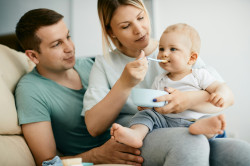
In the rush of everyday life, meals can easily turn into quick pit stops between work, school, and activities. But shared meals are much more than food on a plate – they’re an anchor in the day, a moment to slow down, reconnect, and find calm together. Eating together isn’t just about nutrition; it’s about relationships, conversation, and the small rituals that make us feel grounded and connected.
Why Shared Meals Matter
Research in the U.S. consistently shows that families who eat together regularly experience stronger bonds and better communication. Children who share meals with their families tend to have higher self-esteem, better academic performance, and lower stress levels. For parents, it’s a natural way to stay in touch with their children’s lives – to hear about their day, their friends, and their worries.
But meaningful shared meals aren’t about creating a picture-perfect table. They’re about creating a space where everyone feels welcome, where there’s time to be together – without screens, stress, or distractions.
Læs også:
Creating Calm Around the Table
A calm meal begins long before the food is served. When the pace slows and the atmosphere is relaxed, it’s easier for everyone to enjoy both the food and each other’s company.
- Slow down – let the meal take the time it takes. There’s no need to rush.
- Turn off screens – phones, TVs, and tablets can wait. Being present makes the meal more meaningful.
- Set the scene – light a candle, play soft music, or let the kids help set the table. Small rituals signal that it’s time to gather.
- Talk about the day – ask what made someone laugh, what was challenging, or what surprised them. The goal isn’t deep conversation every time, but genuine interest.
When mealtime becomes a pause from the noise of the day, both children and adults can relax and reconnect.
Rhythm and Structure Bring Comfort
Children thrive on predictability. When meals follow a familiar rhythm, it creates a sense of stability and calm. That doesn’t mean everything has to happen at the same time every day, but a recognizable structure helps everyone know what to expect.
- Regular mealtimes help children tune in to their hunger and fullness cues.
- Simple rituals – like saying grace, expressing gratitude, or clearing the table together – create a comforting rhythm.
- Involvement – let kids help stir, chop, or choose a side dish. Participation builds ownership and enthusiasm.
When shared meals become part of the family’s rhythm, it’s easier to gather everyone – even on busy days.
Building Togetherness Through Food
Food has a unique power to bring people together. It connects generations, cultures, and communities. Cooking and eating together can strengthen family ties and create lasting memories.
Try these ideas:
- Weekend cooking projects – bake bread, make homemade pizza, or try a new recipe together.
- Theme nights – pick a country and cook a meal inspired by it. Kids love helping plan and prepare.
- Shared cooking roles – everyone can contribute, no matter their age. Even small children can set the table or stir the sauce.
When everyone plays a part, the meal becomes a shared project – not a chore for one person.
When Life Gets Busy
Even with the best intentions, it’s not always possible to gather the whole family every day. That’s okay. What matters most isn’t how often it happens, but how present you are when it does.
If your schedule is packed, you can:
- Choose a few days each week for family dinners.
- Keep meals simple – comfort food and easy recipes can still be special.
- Use breakfast or weekend brunch as your shared meal if evenings are hectic.
The goal is to find moments where connection can fit naturally into your routine – even in a busy life.
A Meal with Meaning
When we eat together, we share more than food. We share time, stories, and presence. Shared meals are small anchors in our daily lives, reminding us of what truly matters: being together.
So next time you sit down to eat, pause for a moment before you take the first bite. Look around the table, notice the faces you love, and feel the calm that comes from simply being together. That’s where togetherness begins.
Læs også: