When Your Child Isn’t Hungry: How to Stay Calm and Keep Mealtime Pleasant

When Your Child Isn’t Hungry: How to Stay Calm and Keep Mealtime Pleasant
When your child refuses to eat, it can quickly turn dinner into a stressful event. What should be a time to connect as a family can become a battle over bites and rules. But it doesn’t have to be that way. With patience, understanding, and a few simple strategies, you can keep mealtime calm—and help your child build a healthy relationship with food.
When Appetite Disappears
It’s completely normal for children’s appetites to fluctuate. Some days they eat everything in sight; other days, they barely touch their plate. Growth spurts, fatigue, illness, or even a busy day at school can all affect how hungry they feel. A smaller appetite doesn’t necessarily mean something is wrong.
As a parent, it’s natural to worry, but remember: kids often balance their intake over several days. If your child is growing, has energy, and seems generally healthy, there’s usually no cause for concern.
Læs også:
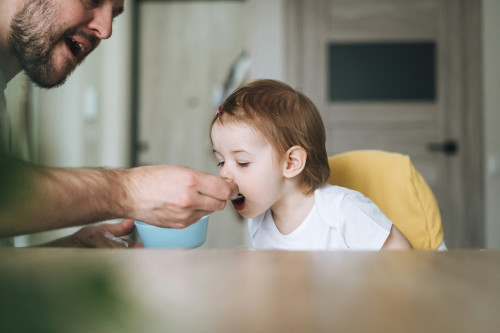
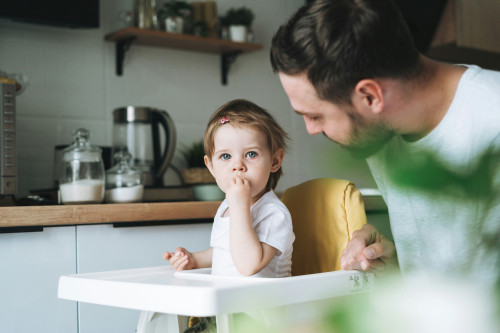

Create a Calm Mealtime Environment
The atmosphere at the table has a big impact on how your child experiences food. When meals are filled with pressure, bargaining, or frustration, children can quickly associate eating with stress.
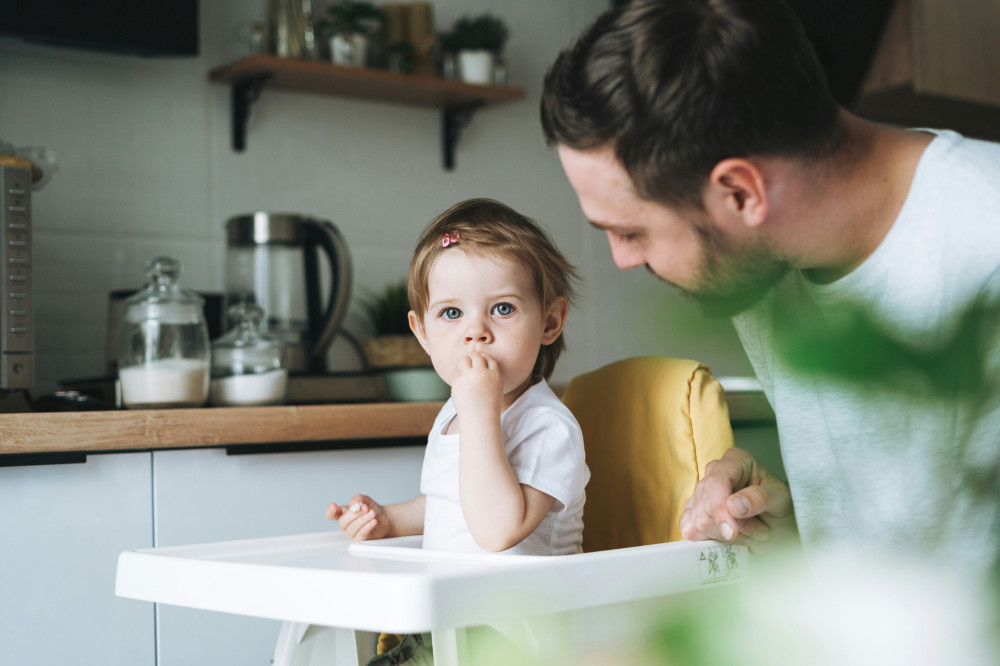
- Eat together – make mealtime about connection, not control.
- Avoid commenting on how much your child eats – focus on conversation and togetherness instead.
- Give them time – some kids need a few extra minutes to get started.
- Model enjoyment – show that you like the food and the company.
When the table feels relaxed and positive, your child can better tune in to their hunger and fullness cues.
Give Your Child Some Control
Children are more likely to eat when they feel involved. Small choices can make a big difference:
- Let your child choose between two vegetables.
- Invite them to help in the kitchen—stirring, tasting, or setting the table.
- Serve meals family-style so they can decide what and how much to take.
When kids have a sense of control, they’re less likely to say “no” just to assert independence.
Avoid Power Struggles
It’s tempting to say, “You have to take three bites,” or “No dessert until you finish your dinner.” But pressure, rewards, and punishments can backfire. They teach children to eat to please you, not because they’re hungry.
Instead, try setting gentle boundaries: you decide what food is offered and when it’s served; your child decides if and how much to eat. This approach—often called the “division of responsibility” in feeding—helps children learn to trust their own hunger signals.
Think in Terms of the Whole Week
One meal doesn’t define your child’s nutrition. Look at what they eat over several days. Maybe they eat less at dinner but more at breakfast or lunch—that’s perfectly normal.
If you’re concerned about nutrition, talk with your pediatrician. Often, variety matters more than quantity. Most children get what they need over time, even if their intake seems uneven day to day.
Make Mealtime a Positive Experience
Food is about more than nutrients—it’s about connection, comfort, and joy. When your child feels that mealtime is a safe, pleasant space, they’re more likely to approach food with curiosity rather than resistance.
- Talk about your day instead of focusing on the food.
- Play soft music or light a candle to create a calm atmosphere.
- Praise your child for joining the meal, not for how much they eat.
Small changes in tone and environment can make a big difference.
When to Seek Help
If your child consistently eats very little, loses weight, or seems unusually tired or withdrawn, it’s important to reach out to your pediatrician or a registered dietitian. But in most cases, picky or inconsistent eating is a normal phase that passes with time.
The best thing you can do is stay calm and trust the process. Eating should be a source of comfort and connection—not conflict. When you keep mealtime peaceful, your child learns that the table is a safe place to be, no matter how much—or how little—they eat.
Læs også: