Play, Learning, and Rest: Designing a Child’s Room with a Focus on Balance

Play, Learning, and Rest: Designing a Child’s Room with a Focus on Balance
A child’s room has to do it all. It’s a place for play, creativity, learning, and rest — and finding the right balance between these needs can be a challenge. With thoughtful design, however, you can create a space that both energizes and soothes, supporting your child’s growth and well-being. Here’s how to design a balanced room that nurtures play, learning, and rest.
Create Clear Zones for Different Activities
A great starting point is to think in zones. When the room is divided into areas for play, study, and rest, it becomes easier for your child to focus and unwind.
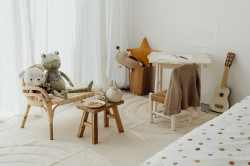
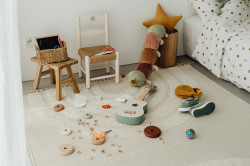
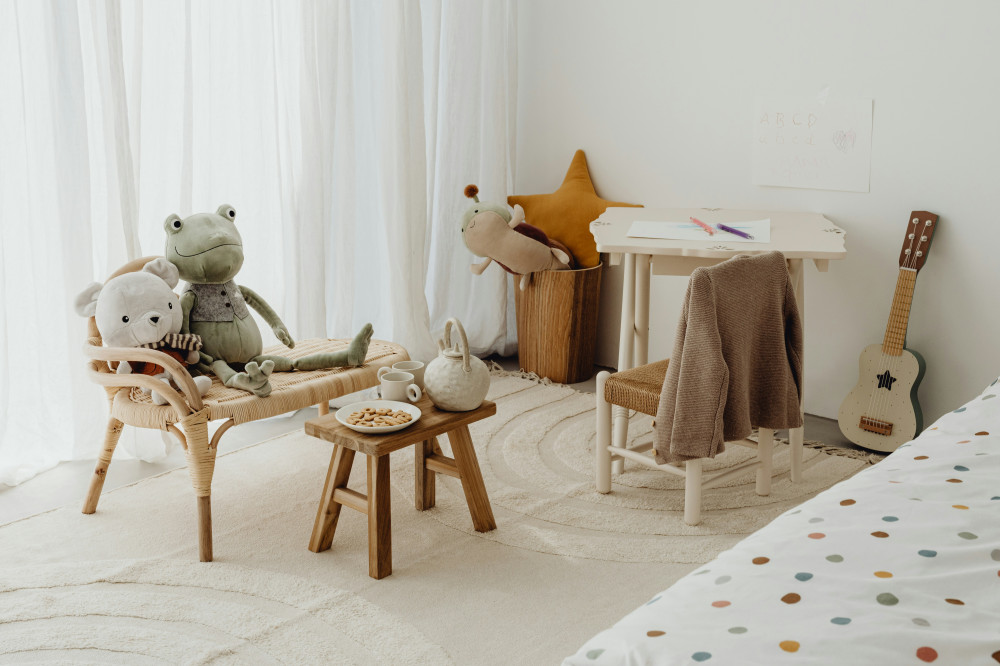
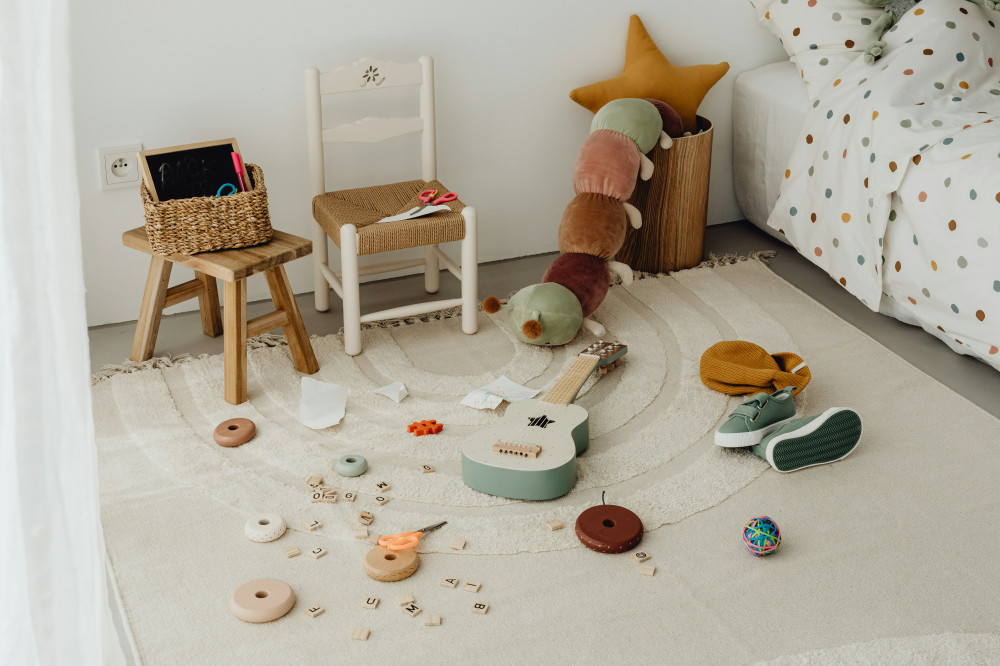
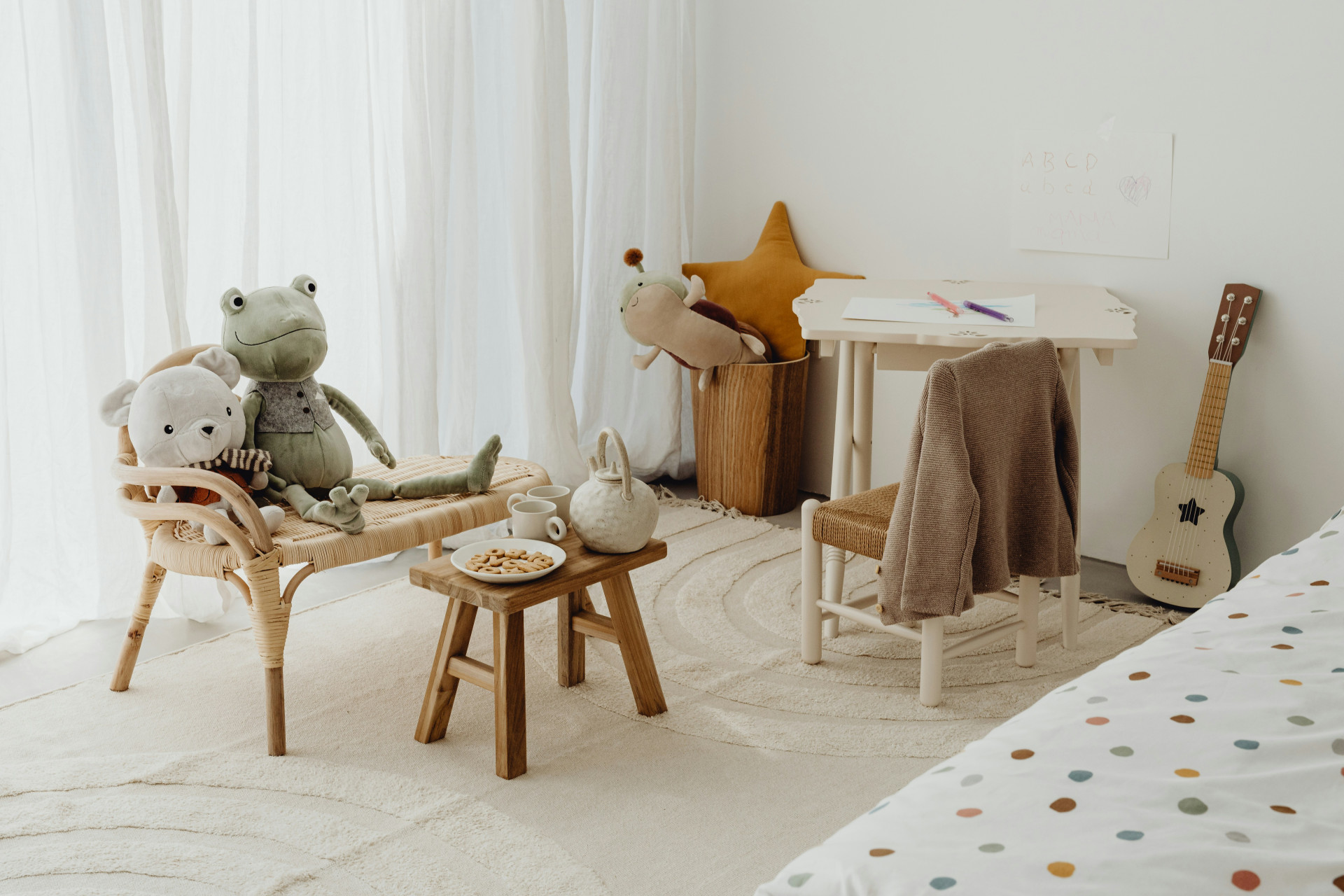
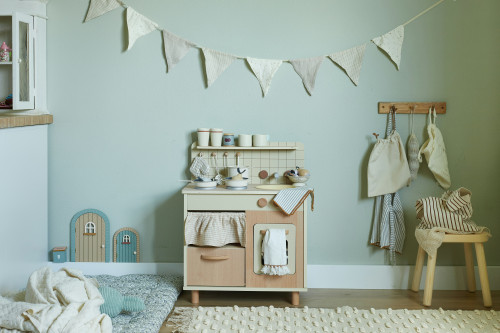
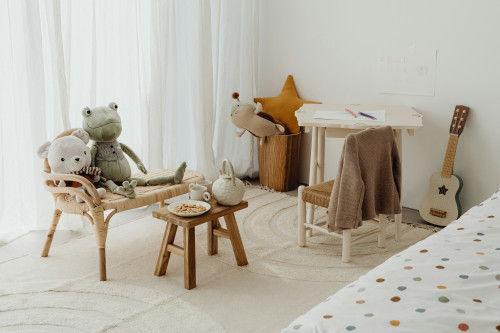
- Play zone: Keep this area open and flexible. A soft rug, low shelves, and bins for toys make it easy for kids to build, imagine, and clean up afterward. Choose storage that’s accessible so your child can take part in organizing their own space.
- Learning zone: Set up a small desk or table with good lighting for reading, drawing, or homework. Make sure the chair fits your child’s height and that supplies are within reach. A corkboard or wall organizer can help keep projects tidy.
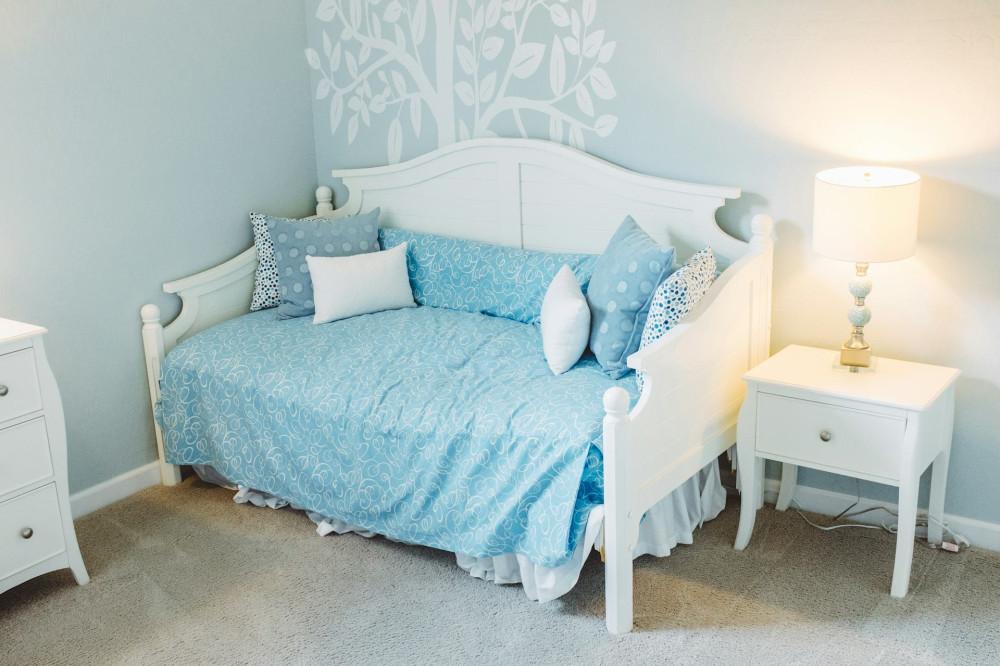
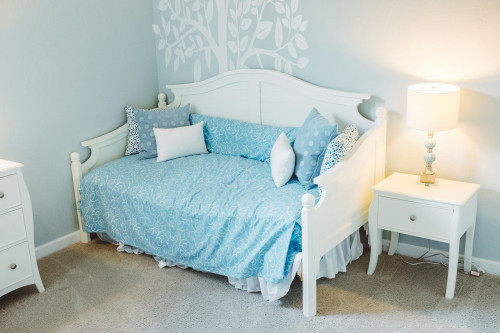
- Rest zone: The sleep area should feel calm and cozy. Use soft colors around the bed and avoid clutter or bright lights. A small reading lamp or nightlight with a warm glow can help signal bedtime.
When each zone has a clear purpose, children learn that different activities belong in different spaces — a helpful way to build structure and independence.
Choose Colors and Materials That Support the Mood
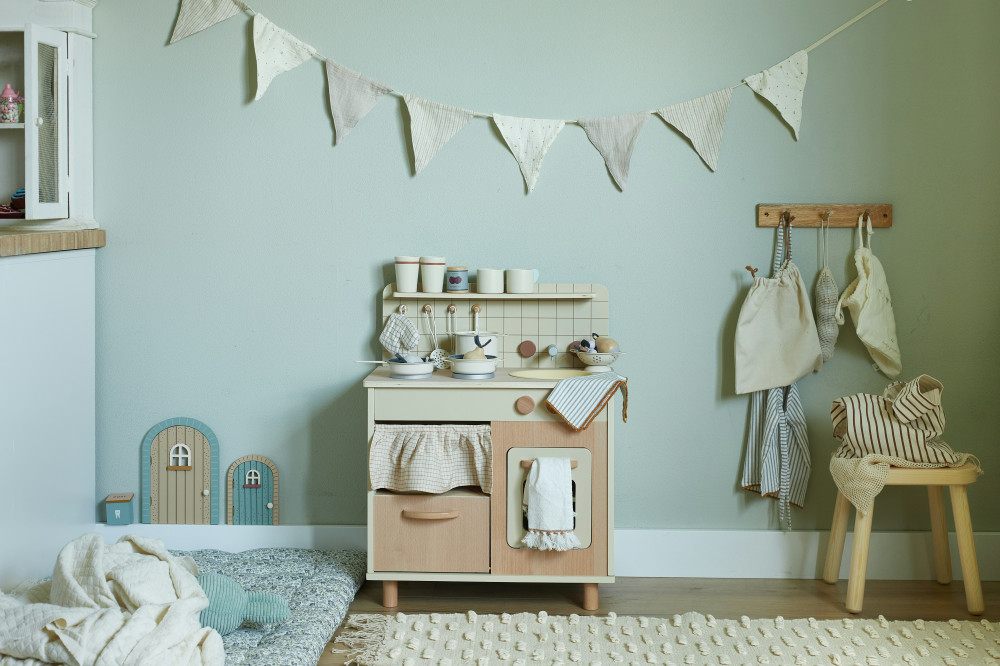
Color has a big impact on how a room feels. In a child’s room, a mix of soft neutrals and cheerful accents works well. Cool tones like blue, green, and gray promote calm, while pops of yellow, coral, or turquoise can bring energy to play areas.
Natural materials such as wood, cotton, and wool add warmth and texture, making the room feel inviting. Avoid too many shiny or plastic surfaces, which can feel overstimulating. Soft fabrics, cozy bedding, and tactile details encourage comfort and a sense of security.
Light and Sound: The Unsung Heroes of Comfort
Lighting can make or break the atmosphere of a child’s room. Layer your lighting: a bright overhead light for playtime, a focused desk lamp for study, and a dimmable bedside light for winding down. If the room gets a lot of sunlight or faces a busy street, blackout curtains can help with both light control and noise reduction, improving sleep quality.
Sound matters too. Hard surfaces can make a room echo, so add curtains, rugs, and cushions to absorb noise. A white noise machine or soft music can also help create a peaceful bedtime routine.
Design That Grows with Your Child
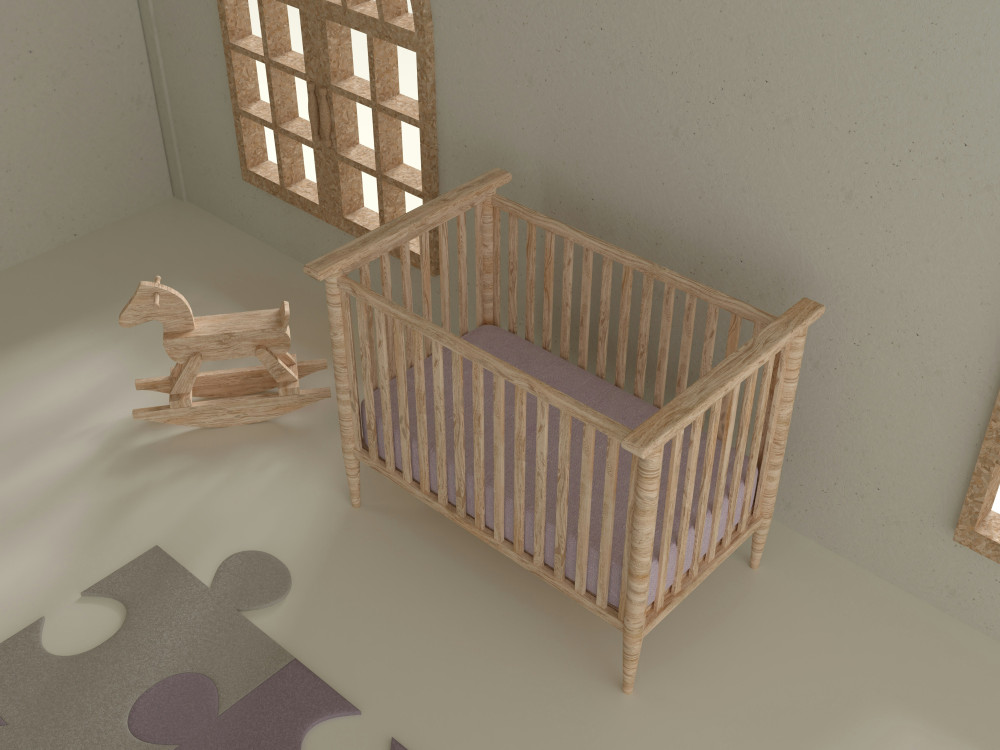
Children’s needs change quickly, so flexibility is key. Instead of furnishing everything at once, choose pieces that can adapt over time. A convertible crib that becomes a toddler bed, an adjustable desk, or modular shelving can evolve as your child grows. Neutral furniture paired with easily changeable décor — like wall art, bedding, or removable decals — makes it simple to refresh the room as interests shift.
The goal isn’t perfection but adaptability: a space that grows with your child and continues to feel like their own.
Involve Your Child in the Process
When kids help design their room, they feel more connected to it. Let them choose colors, posters, or small decorative items that reflect their personality. Even young children can decide where their favorite toys go or pick out a pillow for their bed. This sense of ownership encourages responsibility and pride in keeping the space tidy and welcoming.
Læs også:

Encourage Calm and Order in Everyday Life
A peaceful room helps children relax and recharge. Establish simple routines for tidying up — perhaps turning cleanup time into a game or using labeled bins for different toys. When everything has a place, the room feels more manageable, and your child can focus better on both play and rest.
A Room for the Whole Childhood
A child’s room is more than just a place to sleep — it’s a world of imagination, learning, and comfort. By designing with balance in mind, you create a space that supports your child’s development and well-being. With the right mix of playfulness and calm, their room can become a safe, inspiring haven that grows with them through every stage of childhood.
Læs også: