Sleep and Structure: How to Design a Child’s Room That Fosters Calm and Security


Sleep and Structure: How to Design a Child’s Room That Fosters Calm and Security
A child’s bedroom is more than just a place to sleep. It’s where they play, learn, dream—and find comfort. The way a room is designed can have a real impact on a child’s sense of calm and their ability to rest. When the environment feels peaceful, organized, and suited to their needs, it becomes easier for them to relax and feel secure. Here’s how to create a space that supports both restful sleep and a sense of structure in everyday life.
Create a Calm Foundation with Color and Light
Color and lighting shape the mood of a room more than we often realize. In a child’s room, the goal is to balance playfulness with tranquility.
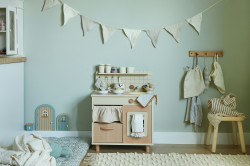
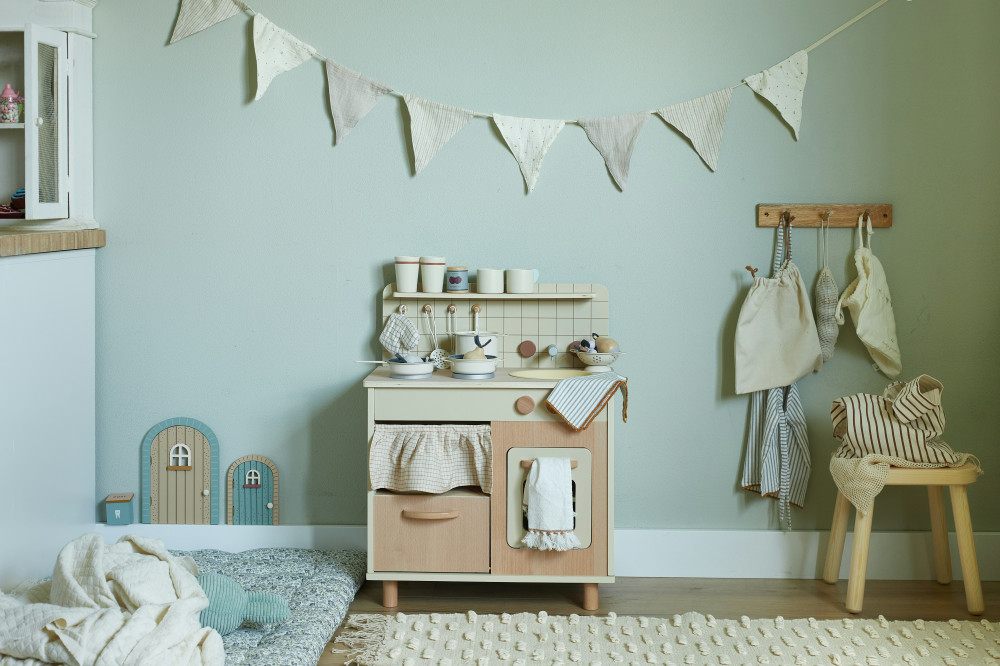
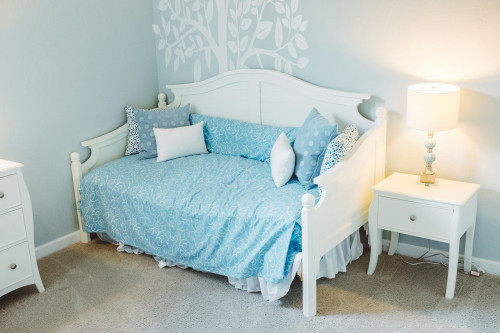
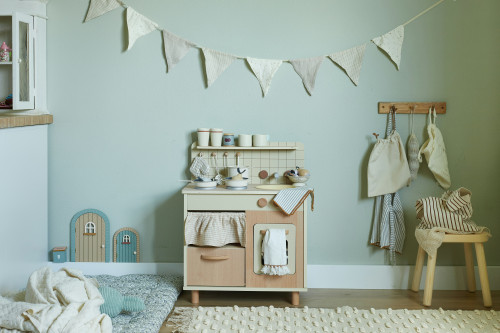
- Choose soft, muted colors such as gentle blues, sage greens, or warm neutrals. These tones promote calm and comfort.
- Avoid too many bold contrasts—bright, clashing colors can be stimulating and make it harder for a child to wind down at night.
- Use warm, layered lighting. A small night-light or lamp with a soft glow can ease bedtime fears, while adjustable overhead lighting supports play and reading.
If the room gets a lot of natural light, consider blackout curtains. They help signal the difference between day and night, which supports healthy sleep rhythms—especially important during long summer evenings or early mornings.
Define Zones: One for Play, One for Rest
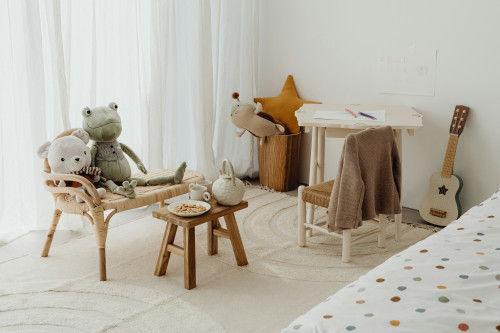
A child’s room works best when it’s divided into zones. This helps them understand that different activities belong in different spaces.
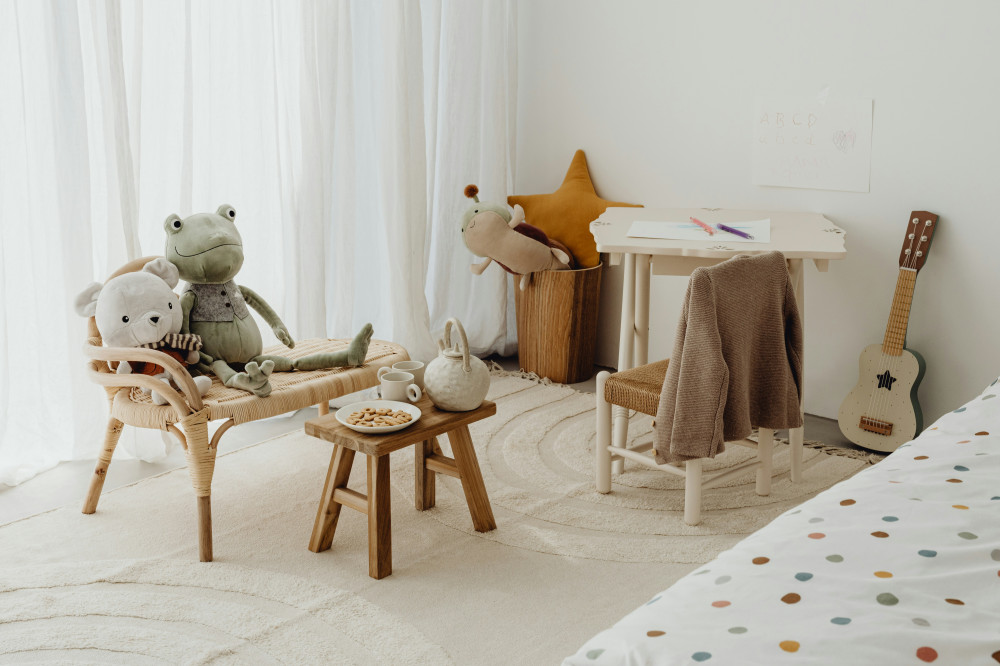
- The sleep zone should be free of toys and screens. Keep it simple and consistent. A familiar stuffed animal, a favorite blanket, or a small framed photo can provide comfort.
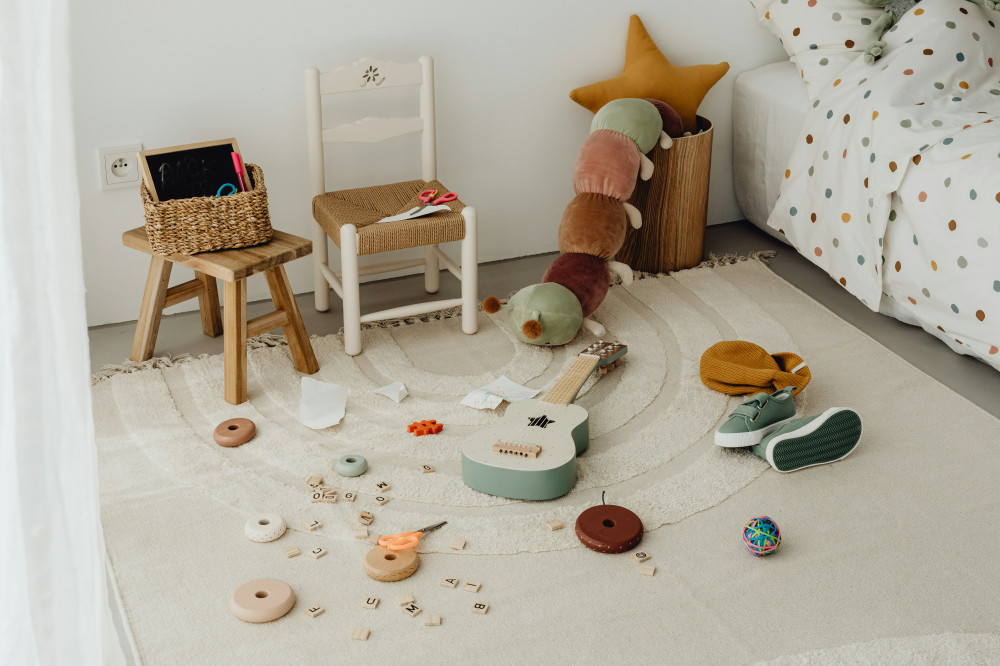
- The play zone can be more colorful and creative. Use bins, baskets, or shelves to keep toys organized and easy to put away.
- A reading or quiet corner—perhaps a small tent, a beanbag chair, or a cozy nook with pillows—gives your child a place to unwind without heading straight to bed.
When the room is organized this way, it becomes easier for your child to transition between activity and rest—and for you to keep things tidy.
Læs også:

Build Structure Through Storage and Routine
A clutter-free space helps calm the mind—for both kids and parents. But organization should be simple enough for little hands to manage.
- Use low, accessible storage so your child can reach and put away their own things.
- Label bins and drawers with pictures or words to make cleanup intuitive.
- Create small routines, like tidying up together before bedtime. This not only keeps the room organized but also helps signal that the day is winding down.
When a child feels that their space is manageable and predictable, it’s easier for them to relax and fall asleep.
The Bed as a Safe Haven
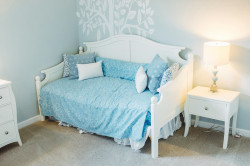
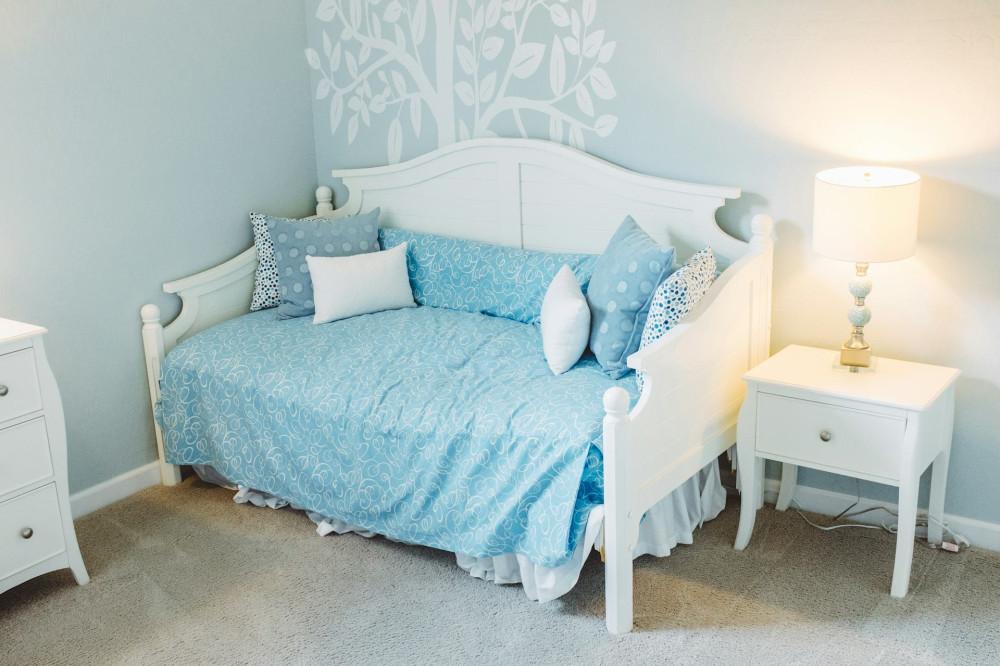
The bed is the heart of the room, and it should feel like a secure retreat. For younger children, a low bed or one with guardrails can provide a sense of safety. Older kids might enjoy a loft or cabin-style bed that feels like a cozy hideaway.
Keep the area around the bed simple—a small nightstand with a book, a lamp, and a favorite toy is enough. Too many items near the headboard can feel distracting or cluttered.
A consistent bedtime ritual—choosing pajamas, reading a story, turning off the light—helps children feel in control and ready for rest.
Personality Without Overstimulation
A child’s room should reflect who they are, but that doesn’t mean it needs to be covered in bright patterns or cartoon characters. Instead, choose a few meaningful details: a framed drawing, a poster of a favorite animal, or a handmade craft.
By keeping the rest of the space simple, those personal touches stand out—and the room feels both individual and soothing.
A Room That Grows with Your Child
Children change quickly, and their rooms should be able to grow with them. Choose furniture that can adapt—like an adjustable desk or a bed that extends in length. Modular storage or open shelving can evolve from holding toys to books and school supplies.
Involving your child in updating their space helps them feel ownership and pride. It turns their room into a place where they can both rest and express themselves as they grow.
Calm and Security Begin with the Environment
A thoughtfully designed bedroom can make daily life smoother for the whole family. When a child has a space that feels safe and peaceful, it’s easier for them to sleep well, play freely, and recharge after a busy day.
It’s not about creating a perfect room—it’s about creating an environment that supports your child’s need for both structure and comfort, and gives calm a place to settle in.
Læs også: