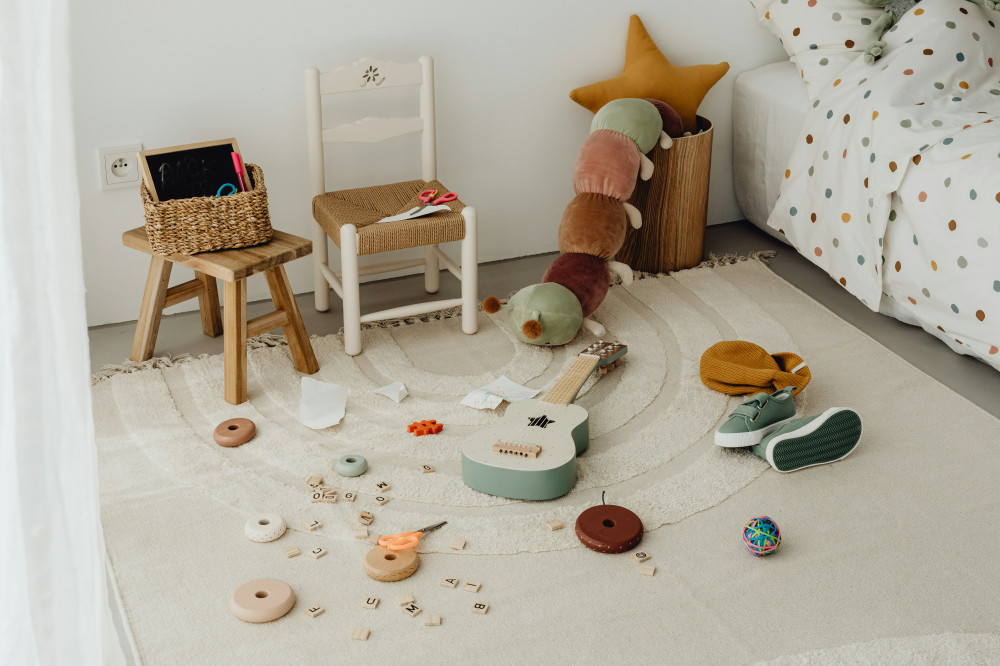
Spacious Home, Endless Possibilities: Create Diverse Play Areas for the Kids

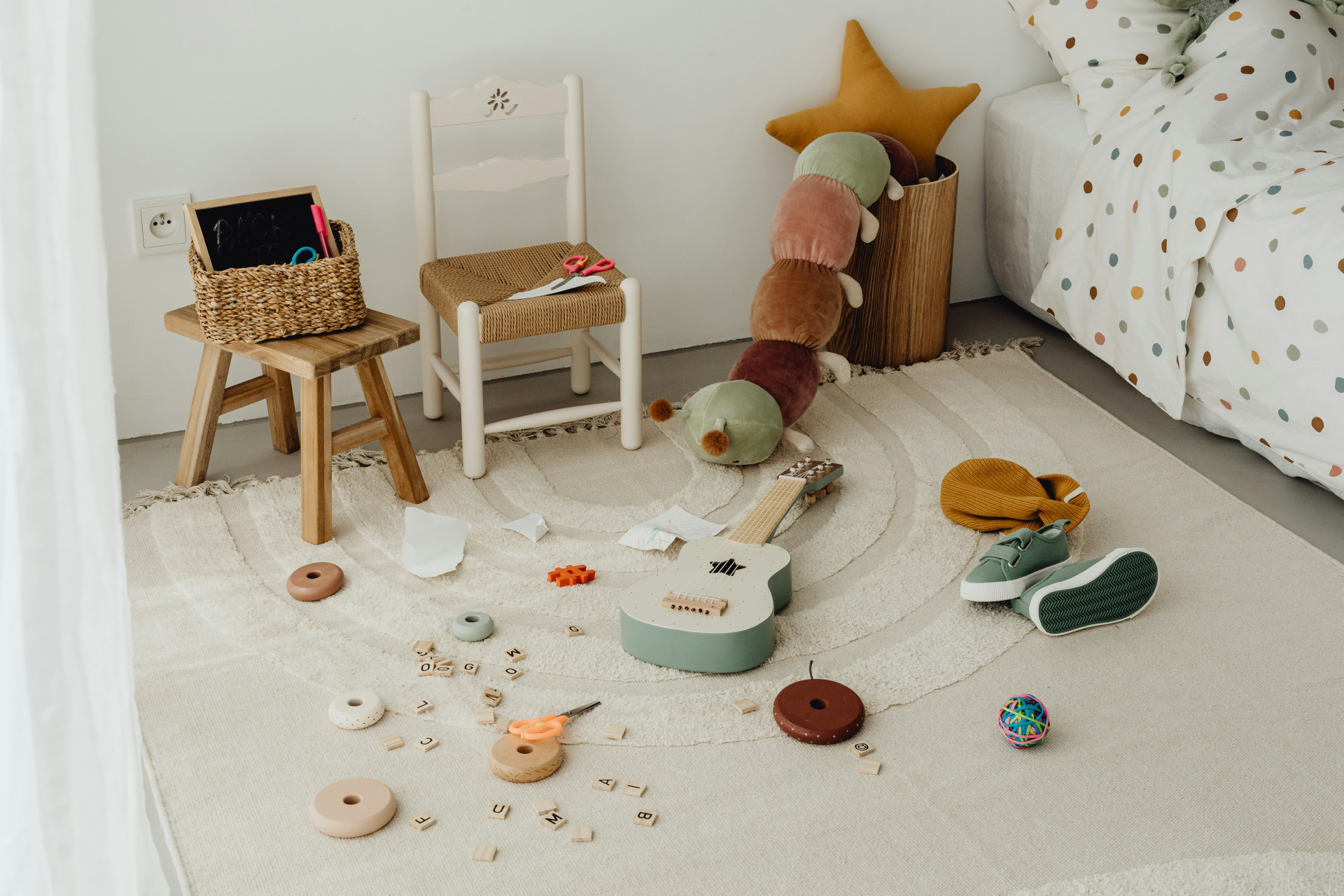
Spacious Home, Endless Possibilities: Create Diverse Play Areas for the Kids
A spacious home opens the door to countless dreams—and for families with children, that often means one thing: room to play. When square footage isn’t a limitation, you can design different zones that spark imagination, support development, and encourage social play. It’s not just about filling the house with toys, but about creating spaces that balance function, atmosphere, and flexibility. Here’s how to design diverse play areas that fit kids of all ages—and the rhythm of family life.
Think in Zones, Not Just Rooms
In a large home, it can be tempting to keep all the toys in one playroom. But kids often prefer to play where the adults are. That’s why it makes sense to create several small play zones throughout the house.
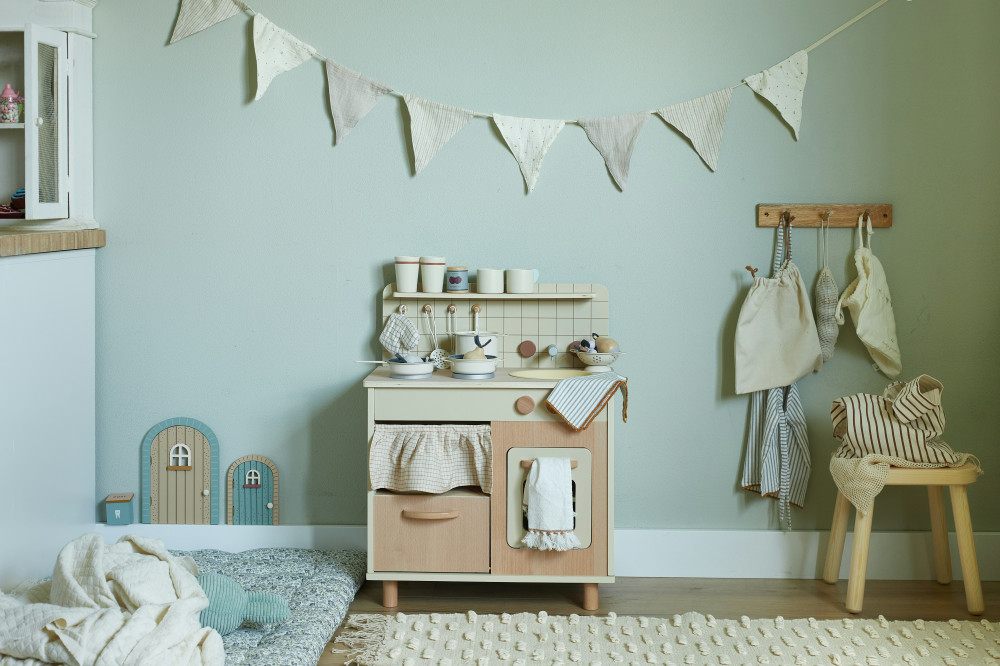
- A creative corner in the living room or kitchen area, where kids can draw, build, and experiment while you cook or work.
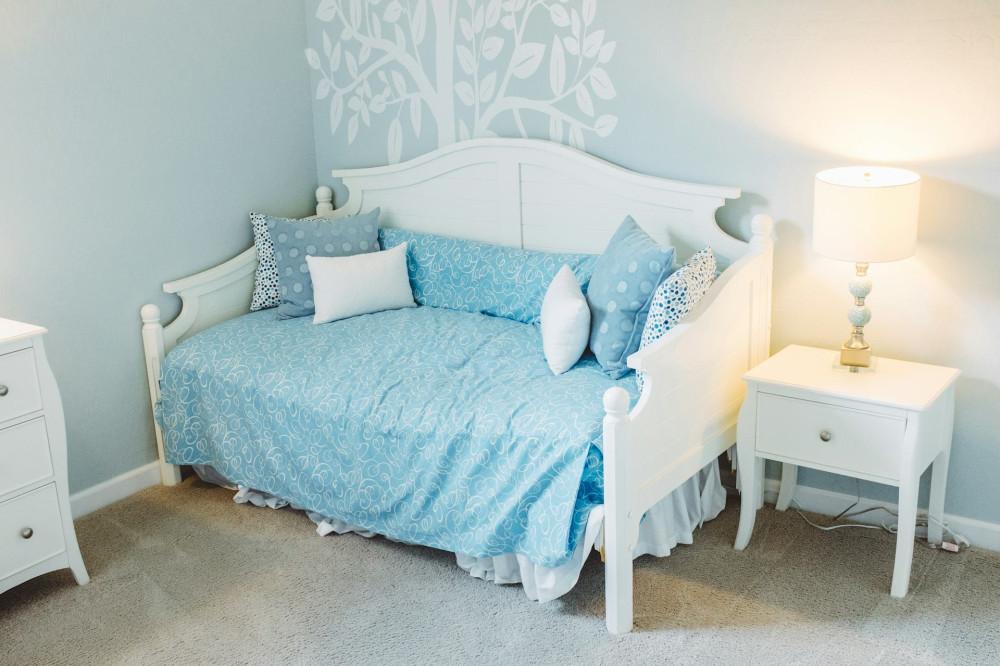
- A quiet nook with cushions, books, and soft lighting, perfect for reading or winding down.
- An active zone in the basement, attic, or a large spare room, where there’s space for movement, music, and big building projects.
By thinking in zones rather than fixed rooms, you can offer variety and let kids choose the kind of play they’re in the mood for—without letting toys take over the entire house.
Design for Age and Growth
Children’s needs change quickly, so flexible design is key. Younger kids need safety and simplicity, while older ones crave independence and challenge.
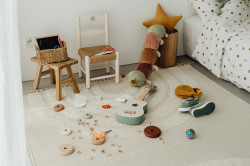
- For toddlers: Create a safe area with soft flooring, low shelves, and sensory toys.
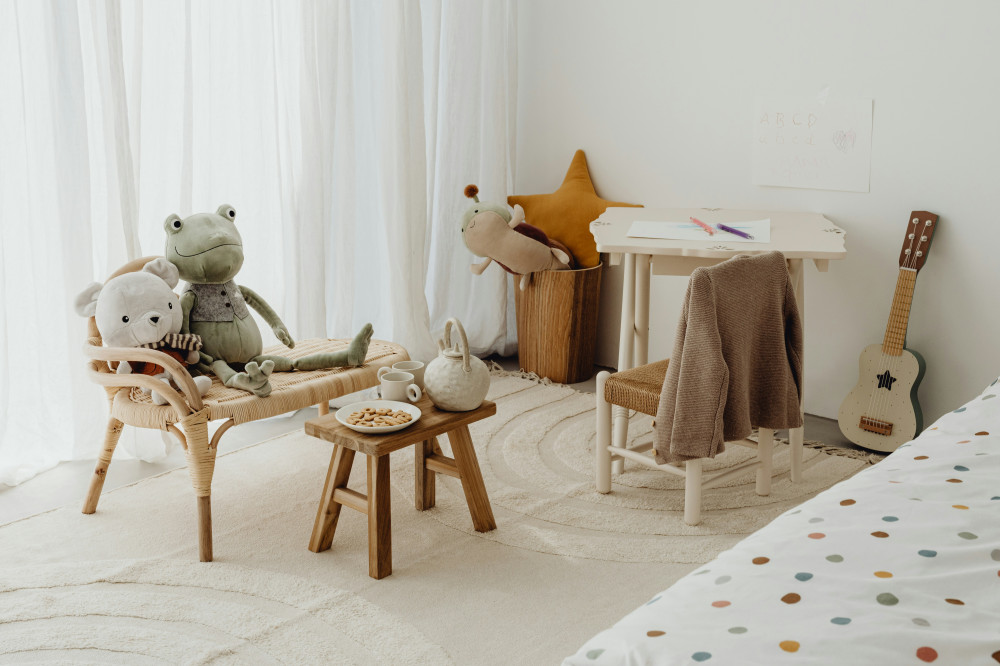
- For school-age kids: Combine play and focus—include a desk for crafts or homework, but also open floor space for playdates and games.
- For teens: Let them have a say in the design. A lounge corner, gaming setup, or music area can make their space feel like their own.
Choose furniture and storage that can adapt over time. Adjustable tables, modular shelving, and convertible seating make it easy to update the space as your kids grow.
Læs også:

Use Color and Materials Thoughtfully
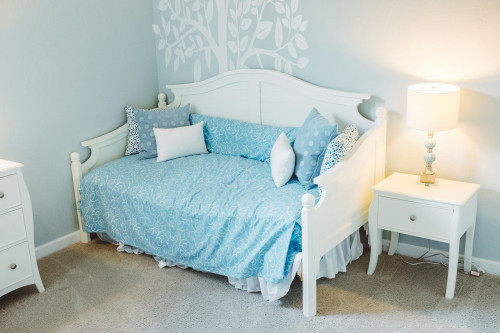
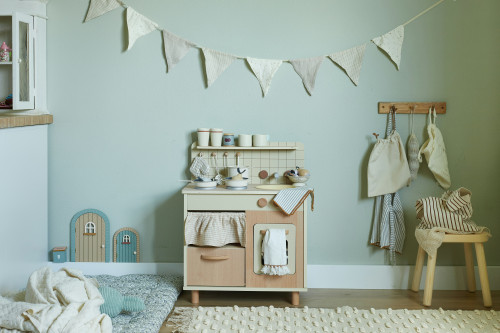
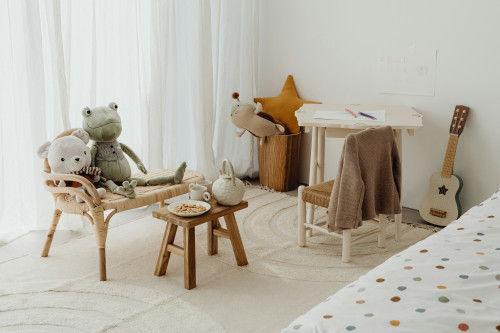
Color sets the tone of a room—and influences how kids play. Soft, neutral shades create calm and focus, while bright colors bring energy and inspiration. A good balance might be a neutral base with colorful accents that can be swapped out as tastes change.
Materials matter, too. Wood, fabric, and natural textures add warmth and comfort, while plastic and glossy surfaces can feel cold. Rugs, curtains, and cushions not only make a space cozier but also help with sound absorption—especially important in large, open homes.
Make Room for Movement
A big home gives you the chance to think about play in a physical way. A small climbing wall, a rope swing, a balance beam, or an indoor play gym can help kids stay active even when the weather keeps them inside.
If you have a basement or large utility room, consider turning part of it into a mini activity zone with mats, balls, and music. It doesn’t have to look like a gym—just a fun, safe place for kids to burn off energy.
Extend Play into the Backyard
When you have space both indoors and out, you can create a seamless flow between the two. A covered patio can double as a creative workshop in summer, and a corner of the yard can become a magical play area with a sandbox, playhouse, or garden path.
Encourage kids to take part in shaping the outdoor space. A small garden bed where they can plant flowers or vegetables gives them a sense of ownership and teaches responsibility—turning the yard into more than just a place to play.
Balance Family and Adult Spaces
Even in a family-friendly home, adults need calm and order. The key is smart storage: bins, baskets, and cabinets that make it easy to tidy up at the end of the day.
Create shared spaces where everyone can connect—a large dining table for meals, crafts, and board games, or a living room that accommodates both play and relaxation.
A Home That Grows with You
A spacious home offers the freedom to design spaces that evolve with your family. The goal is flexibility—letting your children’s needs and interests guide the layout. When play areas are varied and well thought out, your home becomes more than just a place to live—it becomes a place where the whole family thrives, explores, and grows together.
Læs også: