Clean and Safe Outdoor Toys – How to Do It

Clean and Safe Outdoor Toys – How to Do It
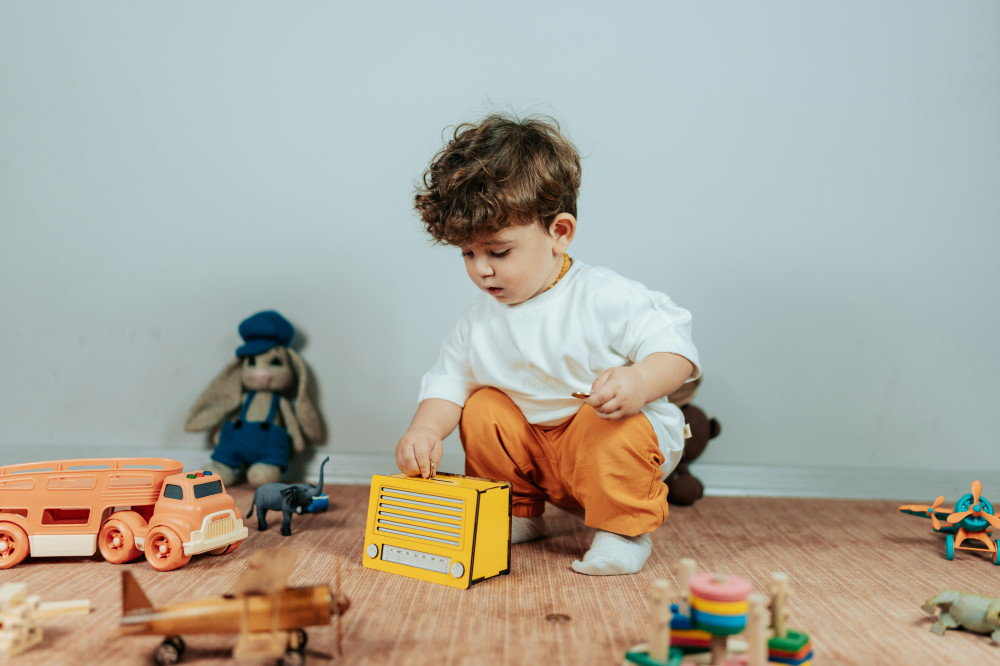
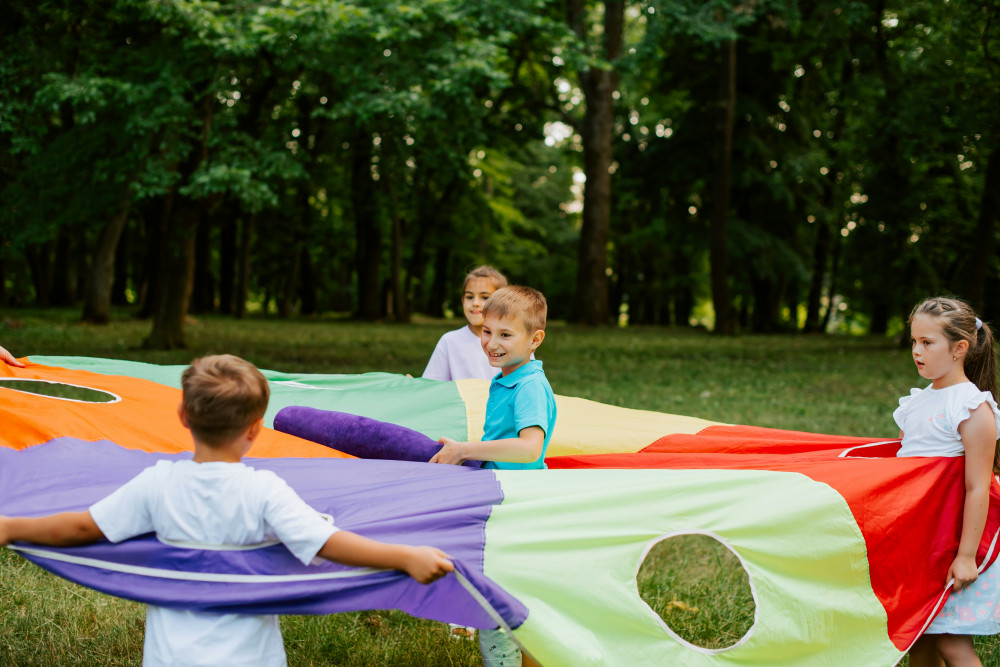
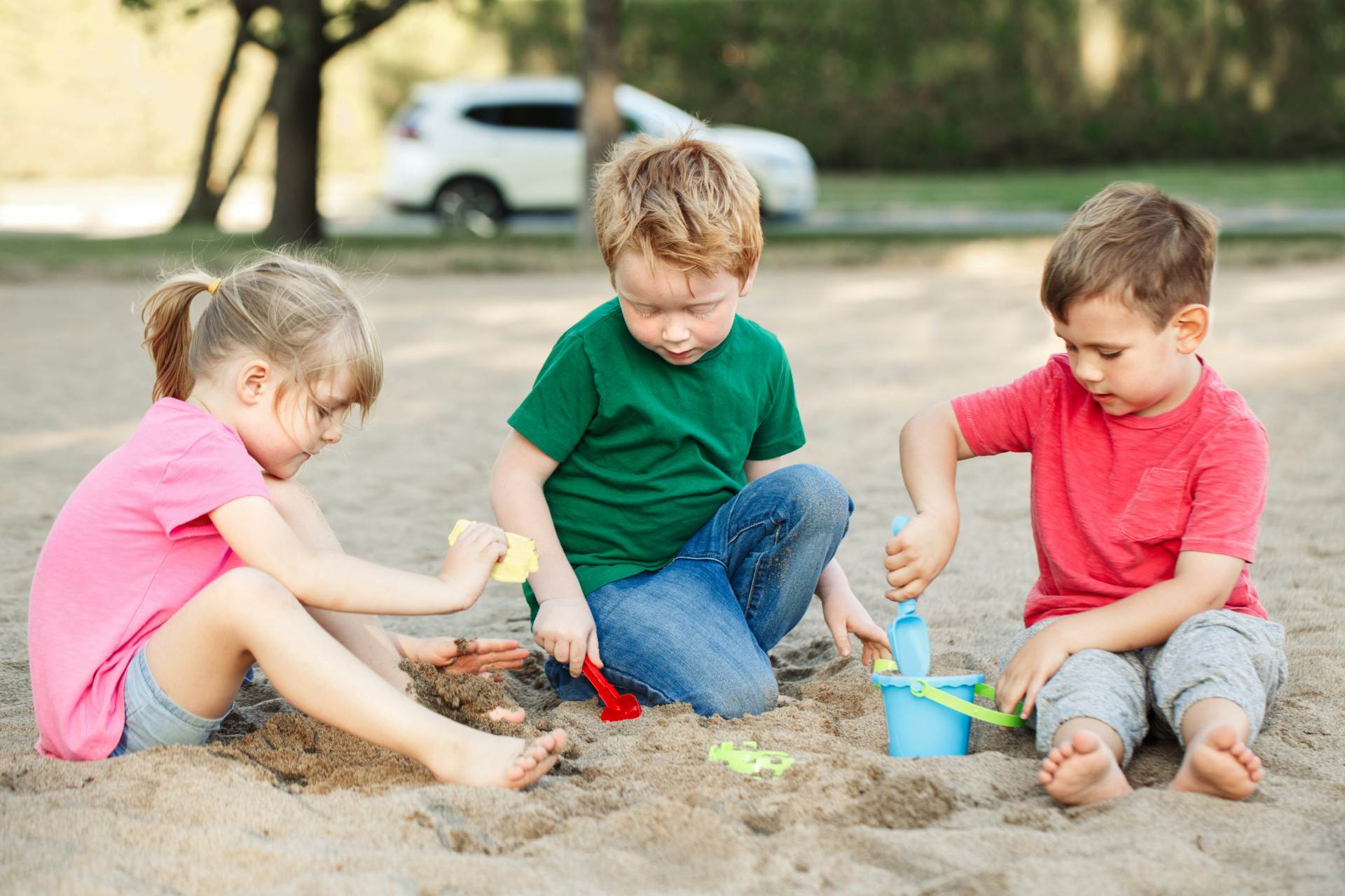
When the sun is shining and kids head outside to play in the yard, at the park, or on the patio, it’s important that their toys are not only fun but also safe and clean. Outdoor play helps children develop coordination, creativity, and social skills—but toys used outside are exposed to dirt, moisture, and wear. Here’s a guide to choosing, maintaining, and cleaning outdoor toys so your kids can play safely all season long.
Choose Toys That Can Handle the Elements
Outdoor toys need to stand up to sun, rain, and rough play. When buying new toys, look for materials that are durable and easy to clean.
- Plastic toys are practical because they rinse off easily and dry quickly. Choose plastics labeled BPA-free and phthalate-free.
- Wooden toys are sturdy and attractive but need a protective finish to resist moisture. Make sure the wood is sealed with non-toxic paint or oil.
- Metal toys—like bikes, swings, and slides—should be checked regularly for rust and sharp edges.
Avoid toys with small detachable parts or long cords that could pose choking or strangulation hazards. For peace of mind, look for toys that meet U.S. safety standards, such as those certified by ASTM International or labeled with the Consumer Product Safety Commission (CPSC) mark.
Keep Toys Clean – Without Harsh Chemicals
Outdoor toys quickly collect dirt, pollen, and grime. Regular cleaning extends their life and reduces the risk of bacteria and mold.
- Plastic toys can be washed in warm water with mild dish soap. Use a soft brush to scrub corners and textured surfaces.
- Wooden toys should be wiped with a damp cloth and a little vinegar-water solution. Avoid soaking them, as wood can warp.
- Toys with fabric parts—like stuffed animals or dolls—can often be machine-washed on a gentle cycle. Always check the care label first.
Let toys dry completely before storing them to prevent mildew and odors. Skip bleach and strong disinfectants—they can damage materials and irritate children’s skin. A simple mix of water and mild soap is usually enough.
Inspect for Damage and Wear
Safety isn’t just about how toys are used—it’s also about their condition. Check toys regularly for signs of wear and tear:
- Cracks in plastic that could create sharp edges.
- Rust on metal parts, especially on bikes, swings, and slides.
- Loose screws or bolts that could cause parts to detach.
- Frayed ropes or straps that could snap or tangle.
Repair or discard damaged toys right away. It might be tempting to let kids keep playing, but small defects can quickly turn into safety hazards.
Læs også:
Store Toys Properly
When playtime is over, store toys in a dry, protected place. Proper storage keeps them cleaner and helps them last longer.
- Use plastic bins with lids or mesh bags so toys can air out.
- Keep larger items like bikes, scooters, and sand toys under a covered area or in a shed.
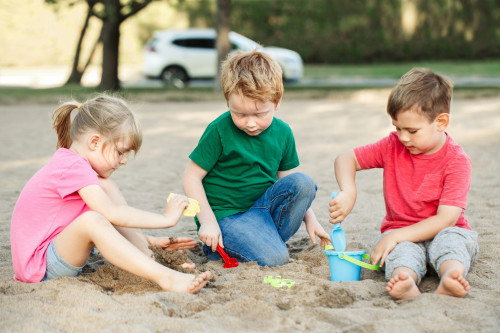
- Empty water tables and sand molds after use to prevent algae and bacteria growth.
If you have space, set up a small “toy station” in the garage or shed where kids can find and return their toys. It makes cleanup easier and teaches responsibility.
Make Cleaning a Family Activity
Kids learn best by doing. Turn toy cleaning into a fun family activity. Fill a tub with soapy water, hand out sponges, and let them wash their own toys. It builds a sense of ownership and helps them understand why taking care of their things matters.
You can even make it a game: Who can make their shovel shine the most? Who finds the most pebbles in the rinse water? When cleaning becomes part of play, it feels less like a chore and more like another outdoor adventure.
Clean Toys, Safe Play
Outdoor play should be carefree, fun, and safe. With a little attention to materials, cleaning, and storage, you can make sure your children’s toys last longer—and that they play safely every day. It doesn’t take much effort, but it makes a big difference for both health and happiness.
Læs også: