Senses at Play: How Montessori Toys Stimulate Your Child’s Development

Senses at Play: How Montessori Toys Stimulate Your Child’s Development
When young children play, they learn. Every touch, sound, and movement helps them make sense of the world. Montessori toys are built on this very idea — that children learn best through their senses and by exploring independently. Instead of flashing lights or electronic sounds, Montessori-inspired toys focus on simple materials, natural textures, and activities that nurture concentration, motor skills, and curiosity.
Here’s a closer look at how Montessori toys engage your child’s senses and support healthy development — and why they can be a meaningful part of everyday play.
Play with Purpose
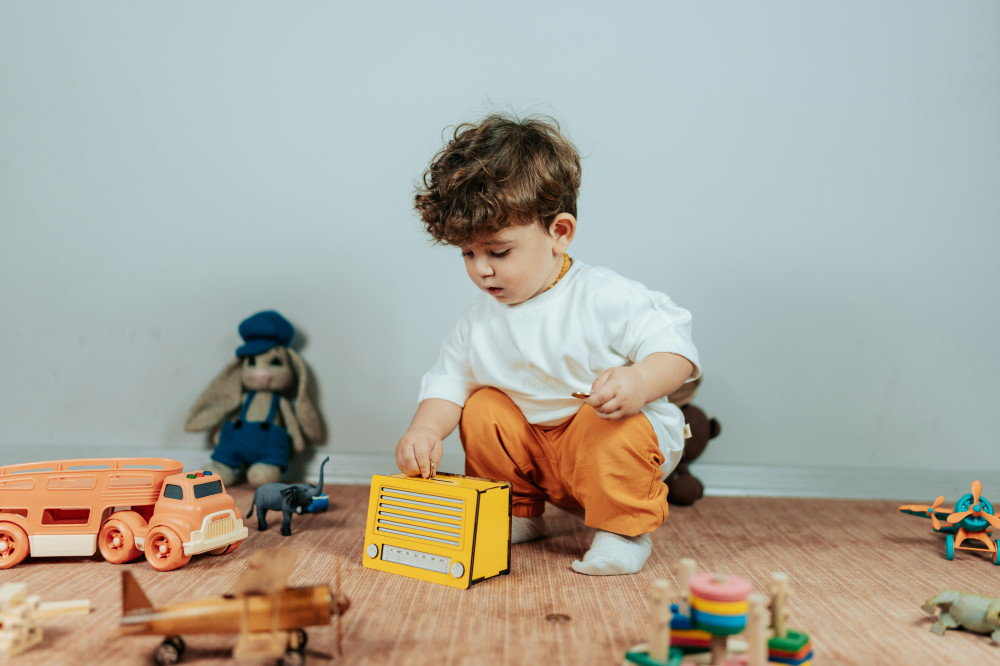
The Montessori approach is based on the belief that children learn through hands-on, self-directed activity. Toys are not meant to entertain but to inspire action. A classic example is the wooden stacking ring: as a child grasps, lifts, and arranges the rings by size, they’re practicing coordination, logic, and patience.
The same goes for puzzles, shape sorters, and activity boards. These toys invite children to use their hands, think independently, and experience the satisfaction of mastering a task.
Learning Through the Senses
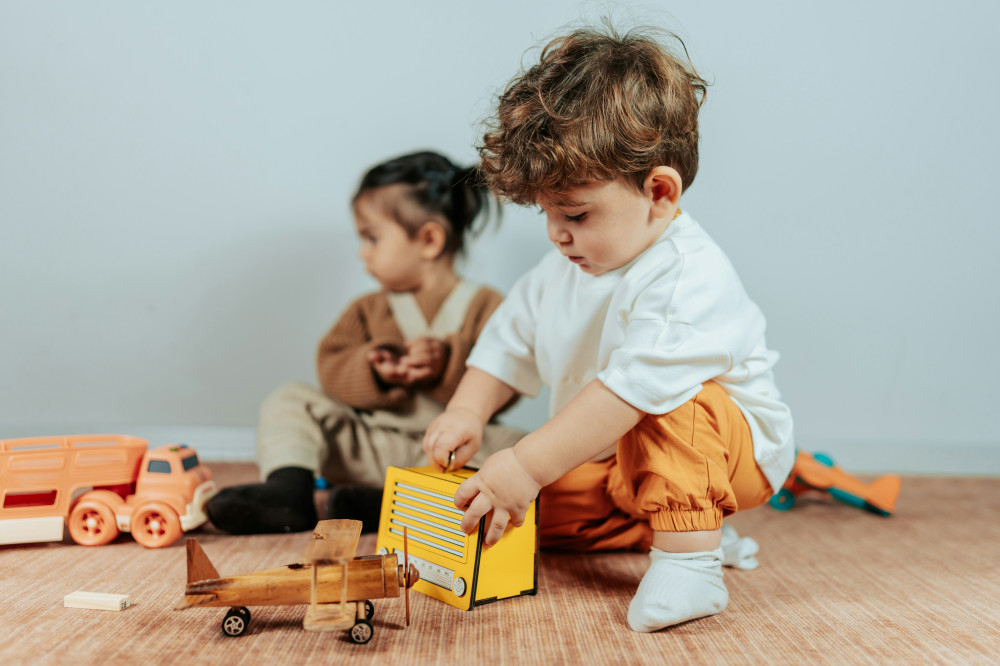
Montessori toys are designed to engage the senses — sight, hearing, touch, smell, and sometimes even taste. The materials are often natural: wood, metal, fabric, and stone. Each has its own texture, scent, and weight, offering a rich sensory experience.
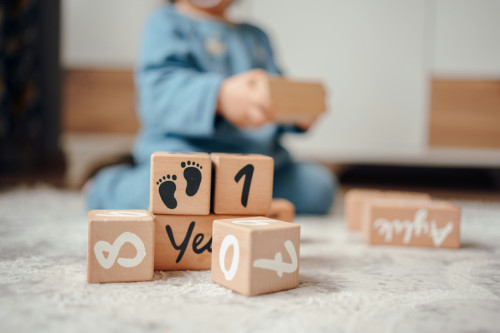
When a child feels the smoothness of a wooden block or the roughness of a fabric pouch, they’re learning to distinguish between surfaces. When they pour beans from one bowl to another, they’re developing fine motor control and an understanding of cause and effect. These sensory experiences become the building blocks of cognitive growth.
Independence at Child Level
A key principle of Montessori philosophy is independence. Toys and materials are designed to be accessible — sized for small hands and placed within easy reach — so children can choose and manage their own activities.
When a child can take out their toys, tidy up, and decide what to play with, they gain a sense of control and responsibility. This builds confidence and fosters a natural motivation to learn more.
Even simple tasks — like pouring water from a small pitcher or folding a cloth — become opportunities to practice precision, focus, and self-reliance.
Læs også:
Calm Play in a Busy World
In a time when many toys are filled with lights, sounds, and screens, Montessori toys offer a calm alternative. They don’t require batteries — just presence and attention.
When children play with simple, thoughtfully designed materials, they can focus deeply. They learn to concentrate on one task at a time and to repeat an action until they master it. This kind of sustained attention is a foundation for later learning — in school and beyond.
Choosing the Right Montessori Toys
When selecting Montessori-inspired toys for your child, consider the following:
- Materials: Choose natural, durable materials like wood, cotton, and metal.
- Purpose: Each toy should have a clear learning goal — such as practicing grip, sorting, or balance.
- Age Appropriateness: Match the challenge to your child’s developmental stage. Too easy can bore; too hard can frustrate.
- Aesthetics: Simple shapes and calm colors help children focus and reduce overstimulation.
The most important thing is that the toy invites active engagement — not passive entertainment.
An Investment in Growth
Montessori toys are often more expensive than mass-produced plastic ones, but they’re also more durable and timeless. Many families find that children return to them again and again, discovering new ways to play as they grow.
It’s not the quantity of toys that matters, but the quality of the experience. A single, well-designed toy can offer hours of meaningful play — helping your child explore, think independently, and engage their senses in ways that support lifelong learning.
Læs også: