Hop, Skip, and Giggle: Motor Toys That Boost Kids’ Coordination


Hop, Skip, and Giggle: Motor Toys That Boost Kids’ Coordination
When kids play, they’re doing much more than having fun — they’re building the foundation for lifelong learning, confidence, and health. Physical play, in particular, helps children develop coordination, balance, and body awareness. Motor toys — toys that encourage movement — are powerful tools for supporting this growth while keeping playtime exciting and engaging.
Here’s how you can help your child strengthen coordination through play, and which types of toys make it both fun and beneficial.
Why Motor Play Matters
Motor skills are the body’s ability to control movement — from small finger motions to big, full-body actions like jumping, climbing, or running. Strong motor skills help children feel confident in their bodies and make it easier for them to participate in sports, school activities, and everyday play.
When kids use motor toys, they’re practicing:
- Coordination – getting arms, legs, and eyes to work together smoothly.
- Balance – staying steady even when moving or changing direction.
- Body awareness – understanding where their body is in space and how it moves.
- Strength and endurance – building muscles and stamina through active play.
These abilities support everything from riding a bike and swimming to writing and focusing in class.
Toys That Get the Body Moving
Motor toys come in all shapes and sizes — from simple classics to modern designs. The key is that they invite movement and challenge kids in a playful way.
1. Jump and Bounce – Energy and Rhythm
Trampolines, jump ropes, and hopper balls are timeless favorites that build rhythm, balance, and coordination. A small indoor trampoline can be a safe way for toddlers to burn energy, while older kids can enjoy backyard jumping games or double-dutch challenges with friends.
2. Climb and Balance – Strength and Control
Climbing domes, balance boards, and obstacle courses encourage kids to test their limits. As they climb, crawl, and balance, they strengthen muscles and focus. Many families now set up indoor play gyms or balance beams so kids can stay active year-round, even when the weather keeps them inside.
3. Roll and Ride – Coordination and Direction
Balance bikes, scooters, and roller skates help children develop coordination and spatial awareness. They learn to steer, stop, and adjust to different surfaces. For toddlers, a balance bike is a great first step toward learning to ride a pedal bike later on.
4. Throw and Catch – Precision and Teamwork
Balls, beanbags, and flying discs are simple yet powerful tools for improving hand-eye coordination. Tossing games, catch, or frisbee can be adapted for any age and are perfect for both indoor and outdoor play. They also teach teamwork and turn-taking — important social skills that grow through play.
Whole-Body Play — Indoors and Out
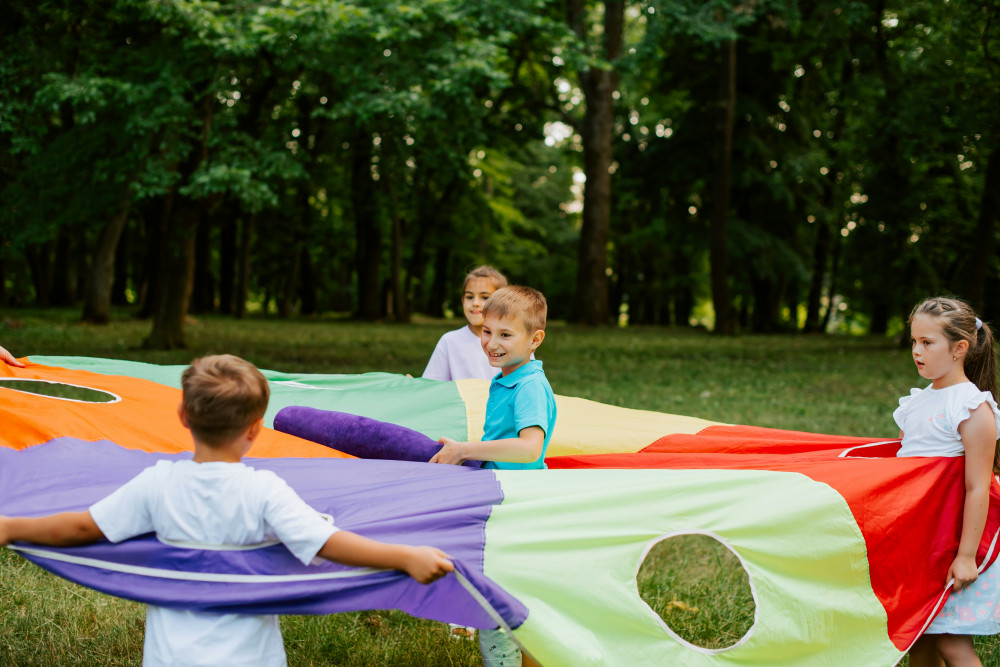
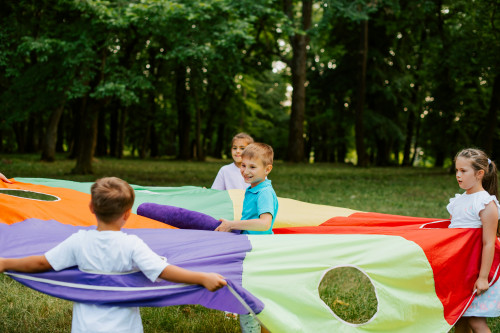
Even when the weather isn’t ideal, kids can stay active indoors. Foam blocks, tunnels, and stepping stones can turn a living room into a mini obstacle course. The goal is to give children space to move freely and explore their bodies in a safe environment.
Parents can join in too — not just to supervise, but to make playtime more fun. When adults participate, kids often feel more motivated and adventurous.
Choosing the Right Motor Toys
When picking motor toys, consider your child’s age, abilities, and interests.
- Toddlers (1–3 years): Choose toys that build balance and sensory awareness — like push toys, soft climbing blocks, or small balls.
- Preschoolers (3–6 years): Look for toys that challenge coordination and strength — such as trampolines, balance paths, or ride-on toys.
- School-age kids (6+ years): Offer more complex movement opportunities — like scooters, climbing sets, or beginner sports gear.
The best motor toys are the ones that make kids forget they’re “exercising” — because they’re too busy having fun.
Læs også:
Play That Builds Confidence
When children master new movements, their confidence soars. They become more independent, curious, and eager to explore the world around them. Motor toys aren’t just about physical development — they’re an investment in your child’s joy, resilience, and self-belief.
So the next time you see your child hopping, skipping, and giggling, remember: it’s not just play — it’s growth in motion.
Læs også: