Collaborative Games and Building Projects: A Growing Trend in Children’s Play

Collaborative Games and Building Projects: A Growing Trend in Children’s Play
As children’s playtime increasingly shifts from screens to more creative and social activities, parents and educators across the United States are noticing a clear trend: collaborative games and building projects are becoming some of the most popular ways for kids to play. It’s no longer just about stacking blocks or following step-by-step instructions—it’s about creating something together, where imagination, teamwork, and problem-solving come together in meaningful ways.
Play That Builds Community
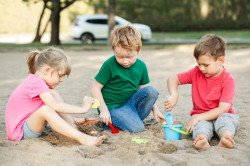
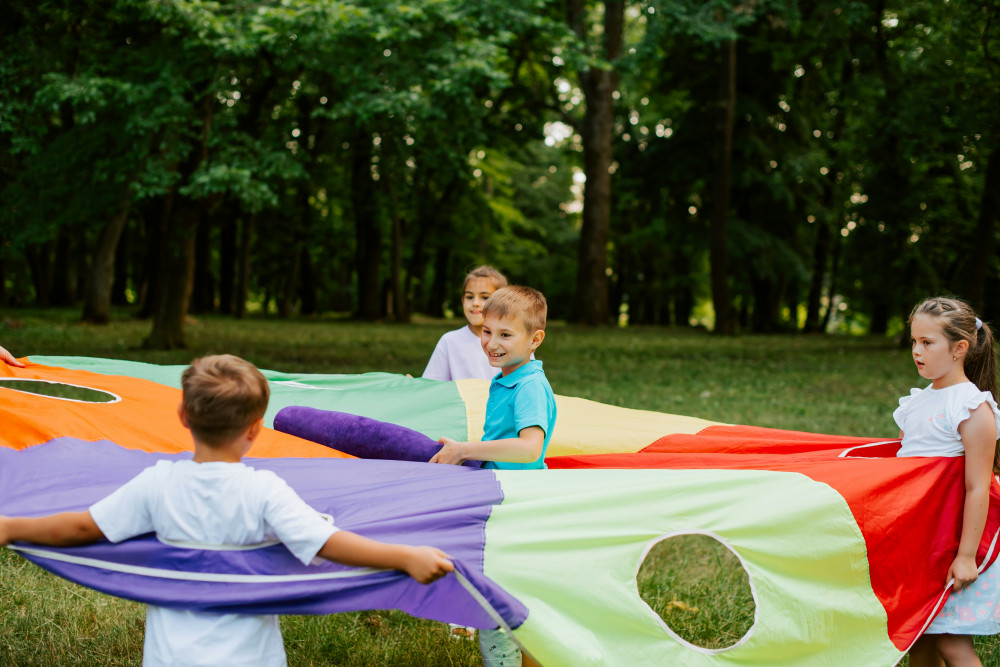
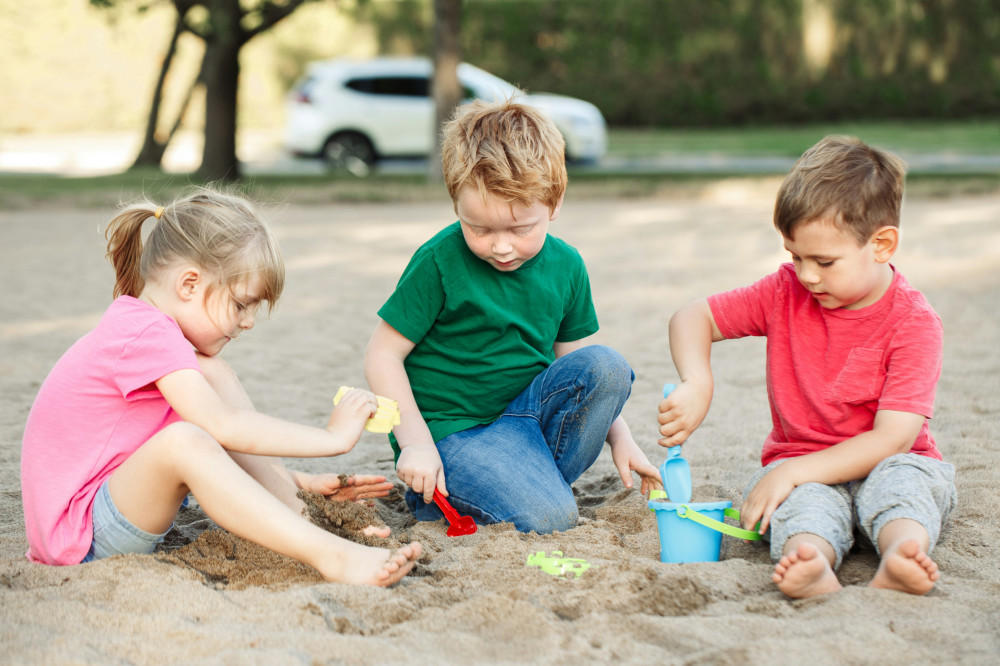
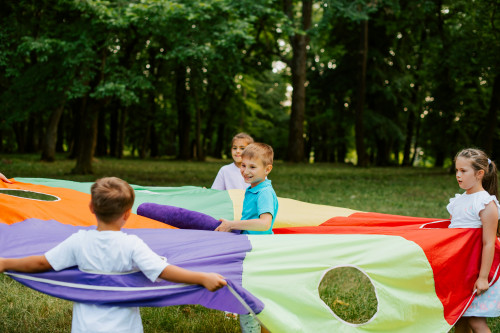
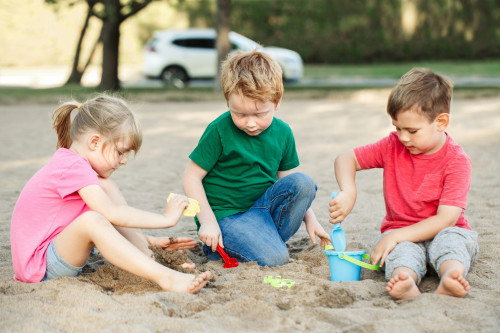
Collaborative play differs from traditional play in that children aren’t competing against each other but working toward a shared goal. This might mean building a cardboard city, designing a marble run, or constructing a fort in the backyard. Many schools and after-school programs are embracing this type of play as a valuable educational tool because it helps children develop social and emotional skills.
When kids collaborate, they learn to listen, negotiate, and respect others’ ideas. They discover that their contributions matter and that the final result is stronger when everyone participates. This sense of teamwork and belonging is especially valuable in a time when many children spend significant hours alone with digital devices.
Building Projects as Creative Learning
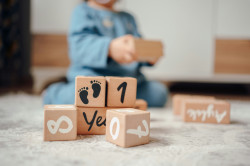
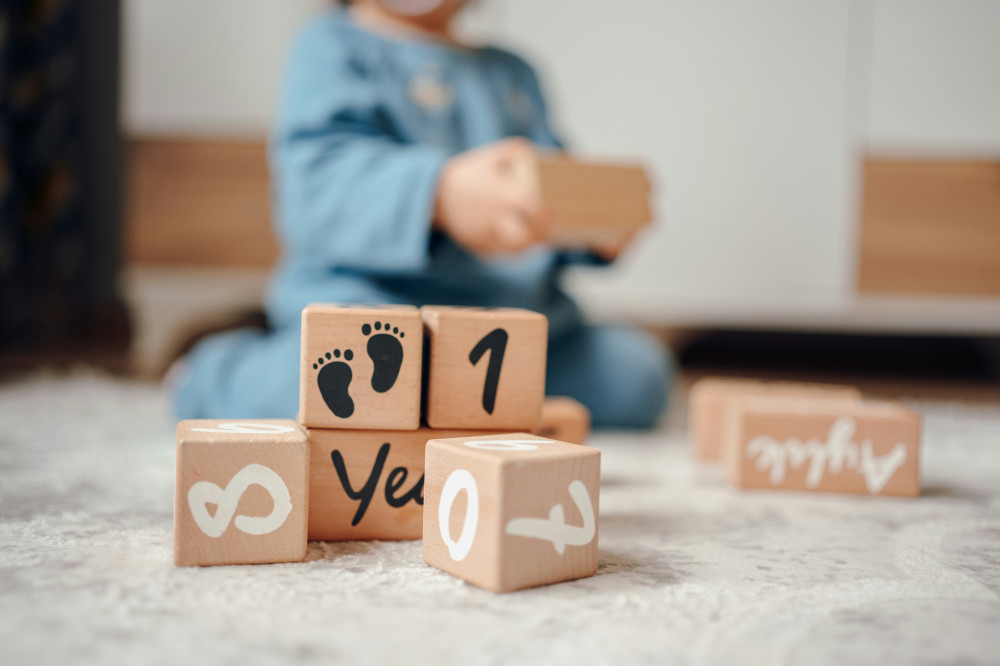
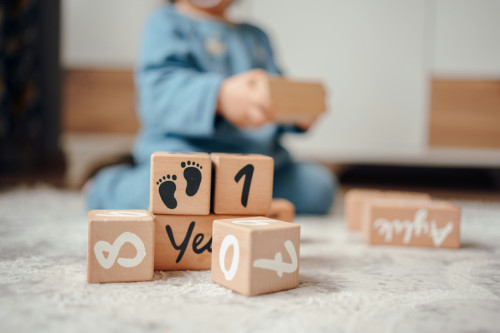
Building projects have always been part of childhood, but in recent years they’ve taken on new meaning. Instead of simply following instructions, children are encouraged to experiment and invent. Materials range from classic wooden blocks and LEGO bricks to recycled materials, cardboard, tape, and natural objects found outdoors.
Educators point out that building projects nurture creativity and problem-solving skills. When a structure collapses or a design doesn’t work, children learn to adapt and try again. It’s a playful way to explore logic, physics, and spatial awareness—without it feeling like a lesson.
From Classrooms to Living Rooms
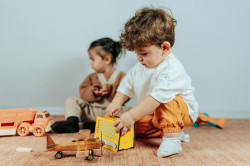
This trend isn’t limited to schools. Many families are finding that children are drawn to activities where they can create something together—whether it’s siblings building a blanket fort, parents and kids constructing a birdhouse, or friends designing a miniature town out of boxes.
Parents often note that these projects bring a sense of calm and focus. They also provide a way for families to connect. The shared process—planning, building, and problem-solving together—often becomes more meaningful than the finished product itself.
Digital Worlds as Bridges Between Play and Technology
Even in the digital realm, collaborative building has found new life. Games like Minecraft and Roblox allow children to design and build virtual worlds—often with friends. These platforms combine creativity with technological understanding, and many kids carry ideas from their digital creations into real-world play.
Experts see this as a positive development, showing that technology doesn’t have to replace creativity and collaboration. Instead, it can inspire new forms of imaginative and cooperative play.
Læs også:
A Trend with Educational Potential
Collaborative games and building projects represent more than just a passing fad—they reflect a shift in how we understand meaningful play. Rather than focusing on competition or achievement, these activities emphasize creation, sharing, and learning together. They help children develop both social confidence and independent thinking.
When children build together, they’re not just constructing towers or cities—they’re building relationships, confidence, and an understanding of how to solve problems as a team. And that may be the most important structure of all.
Læs også: