Does Your Outerwear Fit Right? How to Check Fit and Freedom of Movement

Does Your Outerwear Fit Right? How to Check Fit and Freedom of Movement
When the temperatures drop and the days get shorter, outerwear becomes part of everyday life—especially for kids who need to run, climb, and play outside no matter the weather. But how can you tell if a jacket, snowsuit, or raincoat really fits the way it should? A good fit isn’t just about looks; it’s about comfort, mobility, and performance. Here’s how to make sure your outerwear fits properly—both now and as the season goes on.
Why Fit Matters
Outerwear that doesn’t fit right can quickly become uncomfortable. If it’s too tight, it restricts movement and makes it hard to play or layer up. If it’s too big, cold air can sneak in, and the extra fabric can get in the way. The right fit allows for natural movement while keeping out wind, rain, and snow.
The same goes for adults: a well-cut jacket in the right size lets you walk, shovel snow, or commute without feeling restricted—and without sleeves riding up or hems creeping too high.
How to Check the Fit
When trying on outerwear, don’t just stand still in front of the mirror—move around. Here are a few things to test:
- Lift your arms – Sleeves should stay over your wrists even when you reach forward or overhead. If they pull back too far, the sleeves are too short.
- Bend and squat – The fabric shouldn’t feel tight across your shoulders, back, or knees.
- Zip it up completely – There should be enough room for a sweater or fleece underneath without feeling squeezed.
- Check the length – The jacket should cover your lower back when you move, and pants should reach over the tops of your boots.
- Look at the shoulders – Seams should sit right at the edge of your shoulders, not droop down or pull upward.
If you’re shopping for kids, have them wear a light layer underneath while trying on outerwear. It gives a more realistic sense of how it will feel during everyday use.
Freedom of Movement Is Key
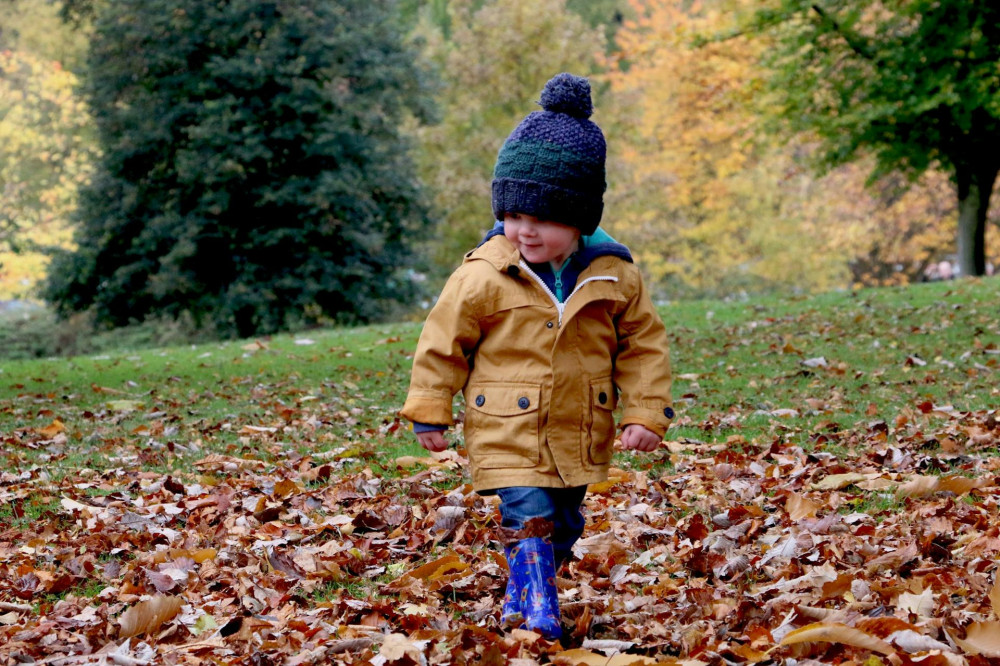
Kids use their outerwear for everything from sledding to building snow forts, so it needs to move with them. Look for designs that include:
- Articulated sleeves and knees that follow the body’s natural motion.
- Elastic or adjustable details at the waist, cuffs, and hood for a flexible fit.
- Lightweight, flexible materials that don’t feel stiff or bulky.
If your child says the jacket feels “hard to move in” or “too puffy,” that’s often a sign the fit isn’t quite right.
Room to Grow—But Not Too Much
It’s tempting to buy outerwear a size up so it lasts all winter, but too much extra room can make it impractical. A good rule of thumb is to allow about an inch of extra length in sleeves and pant legs—enough for growth, but not so much that the fabric drags or bunches.
Many modern jackets and snow pants include adjustable hems, cuffs, or internal straps that can be lengthened as your child grows. These features help extend the life of the garment without compromising comfort or safety.
Materials and Features That Make a Difference
Fit also depends on how the material works with the body. Windproof and breathable fabrics help maintain warmth without overheating. Taped seams and adjustable cuffs keep moisture out, while reinforced knees and seat areas add durability for active kids.
For toddlers, soft and flexible materials that don’t feel stiff or noisy are ideal. For older kids who play hard, look for tougher fabrics that can handle rough use.
Læs også:
Recheck the Fit During the Season
Kids grow fast, and what fit perfectly in October might feel snug by February. Take a few minutes every month or two to check sleeve length, shoulder width, and pant cuffs. A quick fit check can prevent discomfort and keep your child warm and happy outdoors.
The Best Fit Is the One They Want to Wear
The ultimate sign of a good fit? Your child actually wants to wear it. When outerwear feels comfortable and allows free movement, it becomes part of the fun—not a daily struggle.
A well-fitting coat or snowsuit should move with the body, protect from the elements, and make outdoor play easy. With a little attention to fit and freedom of movement, you can ensure your outerwear not only looks good but performs exactly as it should.
Læs også: