Wash Your Children’s Clothes with Care – for Both the Environment and the Fabrics

Wash Your Children’s Clothes with Care – for Both the Environment and the Fabrics
Kids’ clothes get dirty fast – that’s part of growing up. But frequent washing wears out fabrics and uses a lot of energy and water. With a few simple changes to your laundry routine, you can make your children’s clothes last longer, save money, and reduce your environmental footprint. Here’s how to wash your children’s clothes with care – for both the environment and the fabrics.
Wash Only When Necessary
It’s tempting to toss everything in the laundry basket after a day at daycare or school, but not every item needs a full wash. Many small stains can be spot-cleaned with a damp cloth or a bit of mild soap. Hanging clothes to air out can also freshen them up, especially sweaters, jackets, and wool garments that don’t need frequent washing.
Washing less often saves water and energy while helping clothes keep their shape and color. That means your child’s favorite T-shirt or hoodie can stay in good condition longer – maybe even long enough to pass down to a younger sibling.
Choose the Right Temperature
Most children’s clothes can be washed in cold or warm water. Modern detergents are designed to clean effectively at lower temperatures, so you rarely need hot water except for heavily soiled items like cloth diapers or underwear.
Lower temperatures use less energy and are gentler on fabrics, helping them stay soft and bright. Plus, washing in cold water can cut your household’s energy use and utility bills – a win for both your wallet and the planet.
Use the Right Detergent – and the Right Amount
A mild, fragrance-free detergent is best for children’s clothes, especially if your child has sensitive skin. Avoid fabric softeners, which can irritate skin and coat fabrics with residues that reduce breathability. They also add unnecessary chemicals to the water system.
More detergent doesn’t mean cleaner clothes. Follow the dosing instructions on the package, and remember that soft water requires less detergent than hard water. Using too much soap can leave residue on clothes and increase the environmental impact of each wash.
Sort by Fabric and Color
Sorting laundry properly helps preserve both color and texture. Wash light and dark colors separately, and group fabrics by type – cotton, synthetics, and delicates like wool or silk. Wool and silk need special detergents and gentle cycles, while cotton can handle more agitation.
Turn clothes inside out and zip up zippers or fasten buttons to prevent unnecessary wear. Use mesh laundry bags for small items like socks or baby clothes to keep them from getting lost or tangled.
Dry with Care
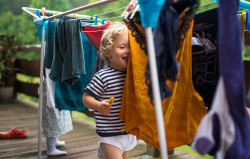
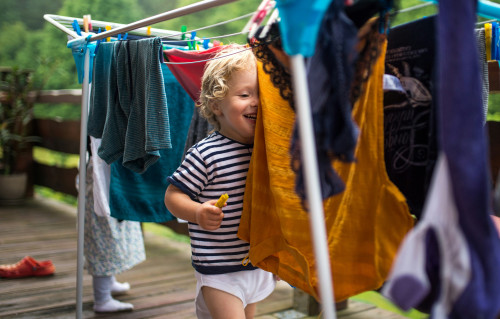
The dryer is convenient, but it’s tough on both fabrics and the environment. It uses a lot of energy and can cause clothes to shrink or lose shape. Whenever possible, air-dry clothes on a rack or clothesline. Fresh air and sunlight naturally refresh fabrics and leave them smelling clean.
If you do use a dryer, choose a low-heat or delicate setting and remove clothes while they’re still slightly damp. This reduces energy use and helps prevent damage to fibers.
Læs også:
Remove Stains Gently
Stains are part of life with kids, but you don’t need harsh chemicals to get rid of them. Treat stains as soon as possible with cold water and mild soap. Dish soap can help with greasy spots, while baking soda or lemon juice can tackle grass or fruit stains.
Avoid chlorine bleach and strong stain removers, which can weaken fabrics and harm the environment. Patience and gentle cleaning often work better than aggressive products.
Give Clothes a Second Life
Taking good care of your children’s clothes means they’ll last longer – and that’s the most sustainable choice of all. Mend small holes, replace missing buttons, and patch worn areas creatively. Kids often enjoy helping decorate or personalize their repaired clothes.
When clothes no longer fit, pass them along to friends, family, or local donation centers. Many communities and online groups make it easy to swap or resell gently used children’s clothing, keeping textiles out of landfills.
Small Changes, Big Impact
Washing your children’s clothes with care isn’t about perfection – it’s about making mindful choices. Every time you skip an unnecessary wash, lower the temperature, or hang clothes to dry, you’re helping the environment and extending the life of your family’s wardrobe.
With a little awareness, your everyday laundry routine can become part of a more sustainable lifestyle – one that shows care for both the planet and the little ones who depend on it.
Læs også: