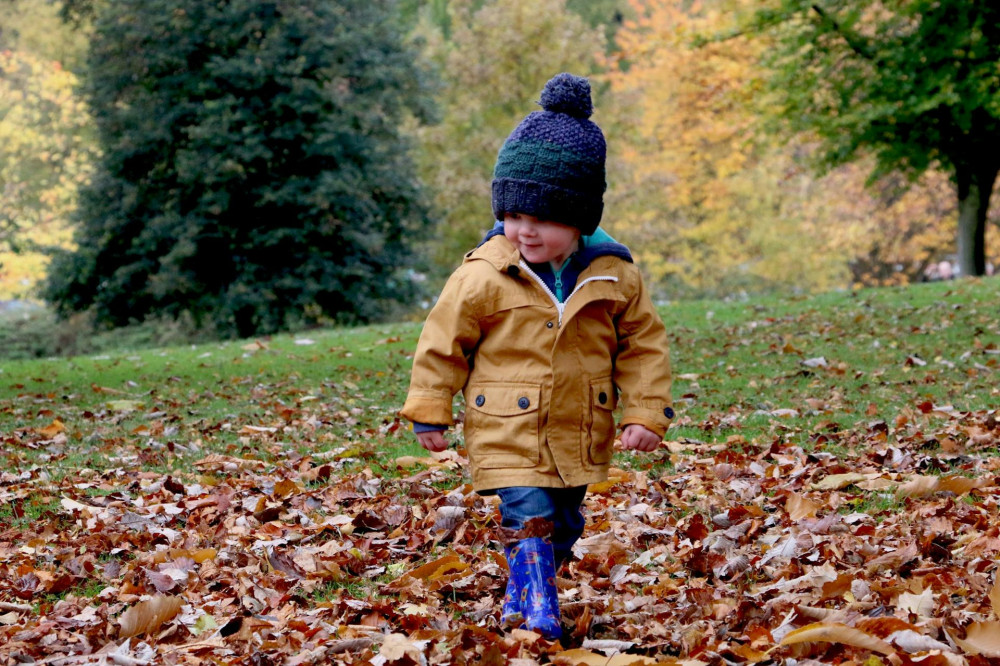
Used Children’s Clothes with a Story: When Clothing Becomes Part of the Family’s Narrative

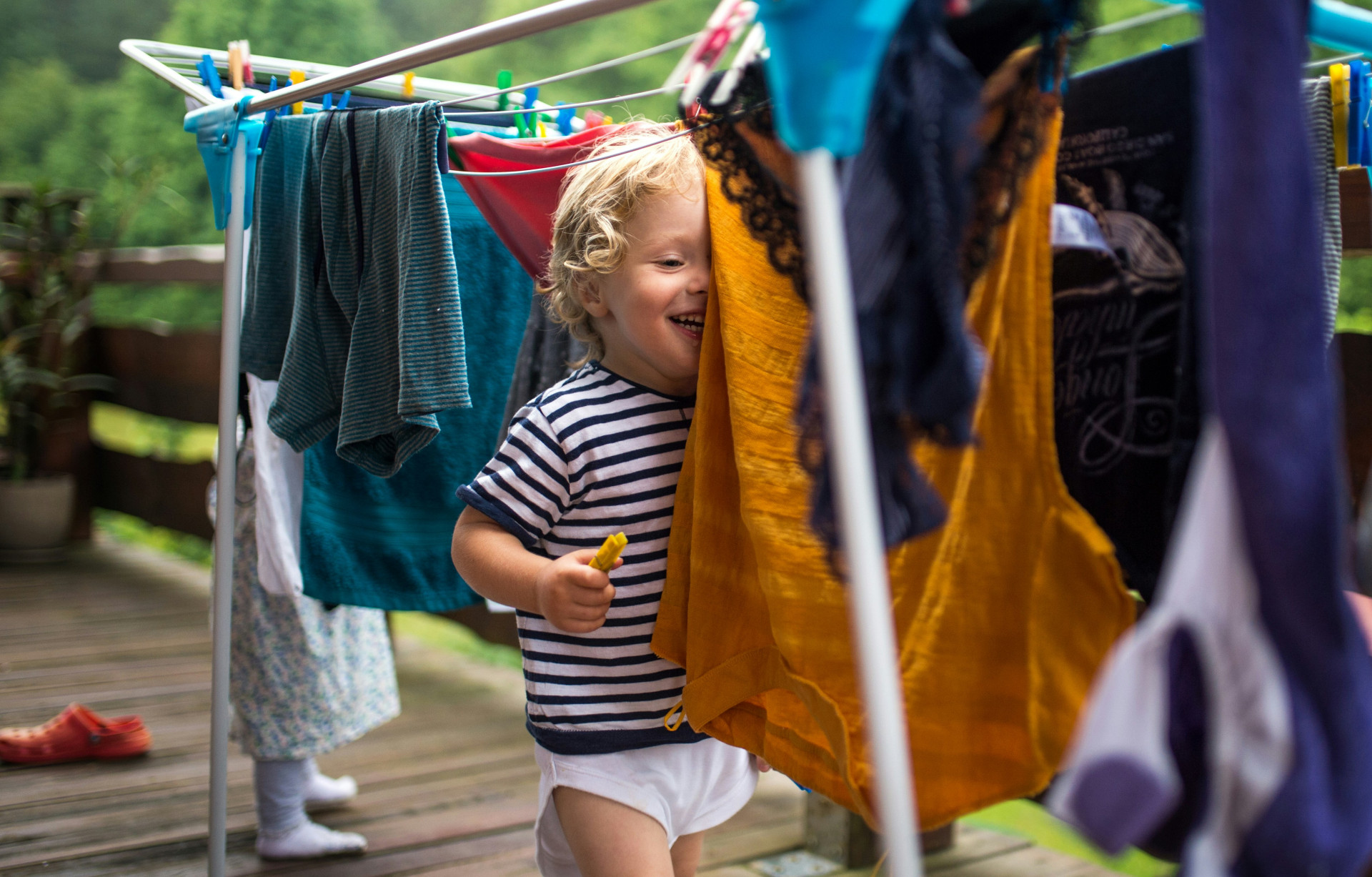
Used Children’s Clothes with a Story: When Clothing Becomes Part of the Family’s Narrative
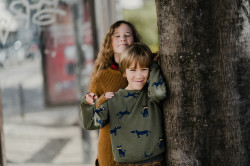
When a child slips into a sweater once worn by an older sibling, a cousin, or even a stranger’s child, that piece of clothing carries more than fabric and thread—it carries memories. Used children’s clothes are not only a sustainable choice but also a way for families to weave their stories together across time and community. In an era when Americans are rethinking consumption and sustainability, these small garments remind us that what we wear can hold meaning far beyond the moment.
When Clothes Find a Second Life
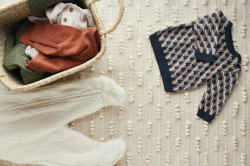
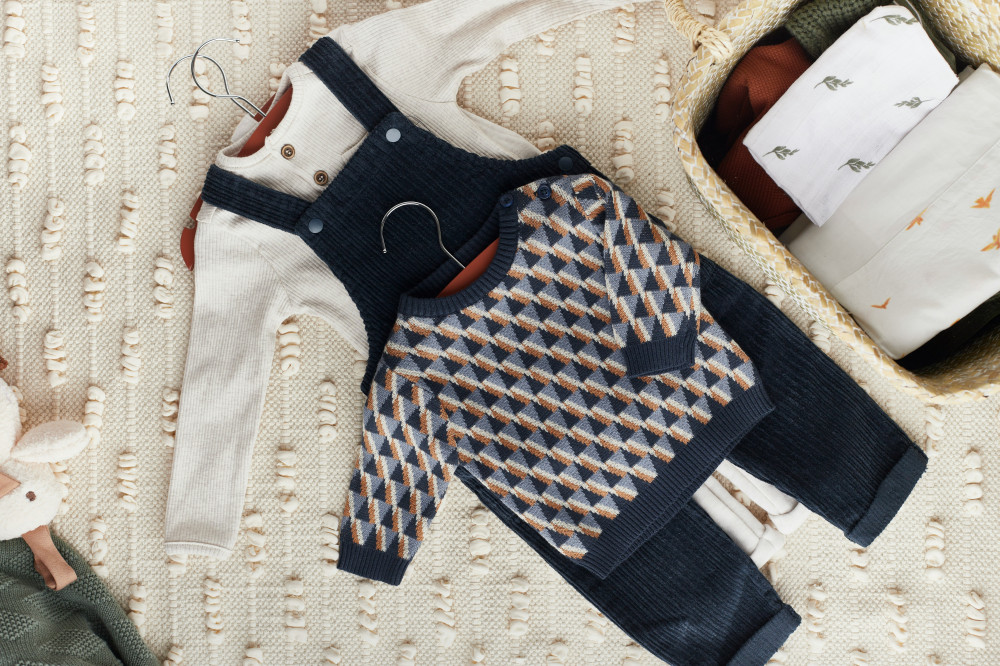
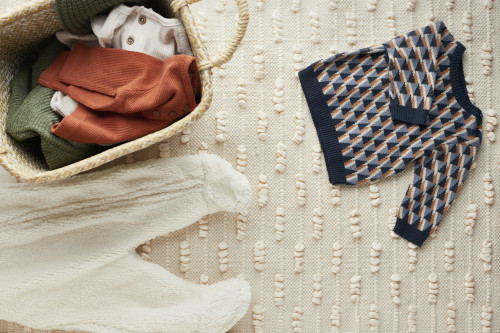
Many parents know the feeling of opening a box of old baby clothes—tiny onesies, jeans with worn knees, a favorite T-shirt that still seems to hold a trace of childhood laughter. Passing those clothes on to another child is both practical and deeply emotional. It’s like sending a piece of family history out into the world.
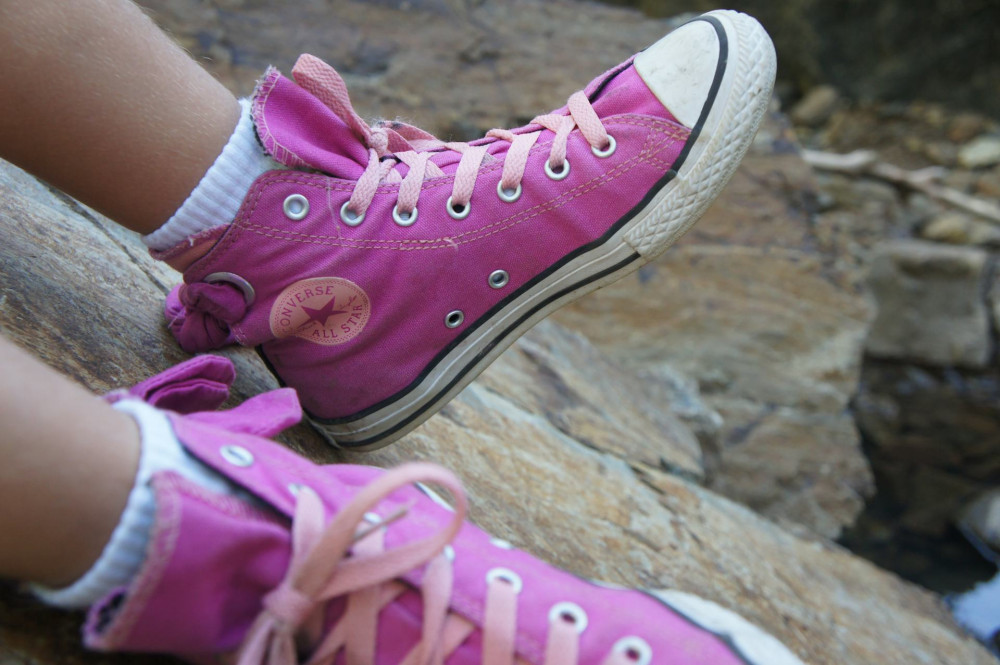
Used children’s clothes often have a special charm. A faint stain, a mended tear, or a faded print tells a story of play, adventure, and everyday life. Instead of seeing these marks as flaws, many parents see them as signs of love and life well lived.
Sustainability in Child-Sized Steps
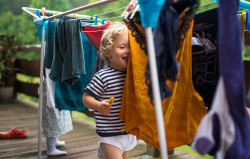
Children outgrow clothes at lightning speed, which makes reusing and recycling especially meaningful. Buying or swapping used clothes saves money and resources—and teaches kids about mindful consumption from an early age.
According to environmental studies, the fashion industry is one of the most resource-intensive in the world. Every time a piece of clothing is reused, it reduces the need for new production, cutting down on carbon emissions, water use, and chemical waste. Choosing secondhand is a small but tangible way for families to make a difference—one outfit at a time.
Swaps, Thrift Stores, and Online Communities
Across the U.S., parents are finding creative ways to give children’s clothes a new life. Community clothing swaps, local consignment shops, and neighborhood yard sales have become gathering places where families exchange not just clothes, but stories and support.
Online platforms and apps have made it even easier to find quality used children’s clothing. Parents can search by size, brand, or style, and often get a glimpse of the item’s history through photos and descriptions. Some even include a short note—a friendly message to the next family who will love the piece as much as they did.
Læs også:
When Memories Travel with the Fabric
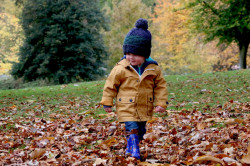
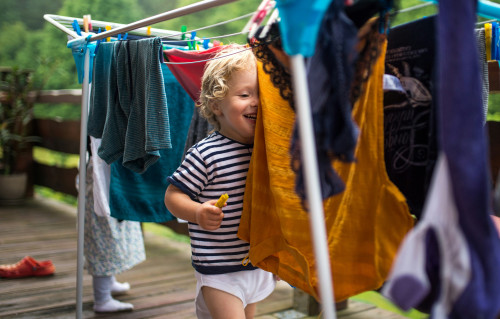
There’s something touching about seeing another child wear the jacket your own child once wore on their first day of preschool or the dress from a family vacation. The clothing becomes a bridge between past and present, a reminder that childhood moments continue to live on in new forms.
Some parents choose to keep a few special items—a christening gown, a favorite hoodie, or a tiny hat—as keepsakes. Others turn old clothes into quilts, stuffed animals, or pillows, giving the fabric a new purpose within the home. In this way, reusing clothes becomes not just a practical act, but a creative and emotional one.
A New Way to Think About Consumption
Passing down and reusing children’s clothes is ultimately about more than saving money or protecting the environment. It’s about recognizing the value in what already exists and fostering a culture where things are cared for and shared.
For children, this can be a powerful lesson: that new isn’t always better, and that what we take care of can bring joy to others. In that sense, used children’s clothes become more than just garments—they become part of a family’s story, and part of a larger narrative about community, connection, and sustainability.
Læs også: