Get Your Closet in Order: Organize Kids’ Clothes by Size and Season

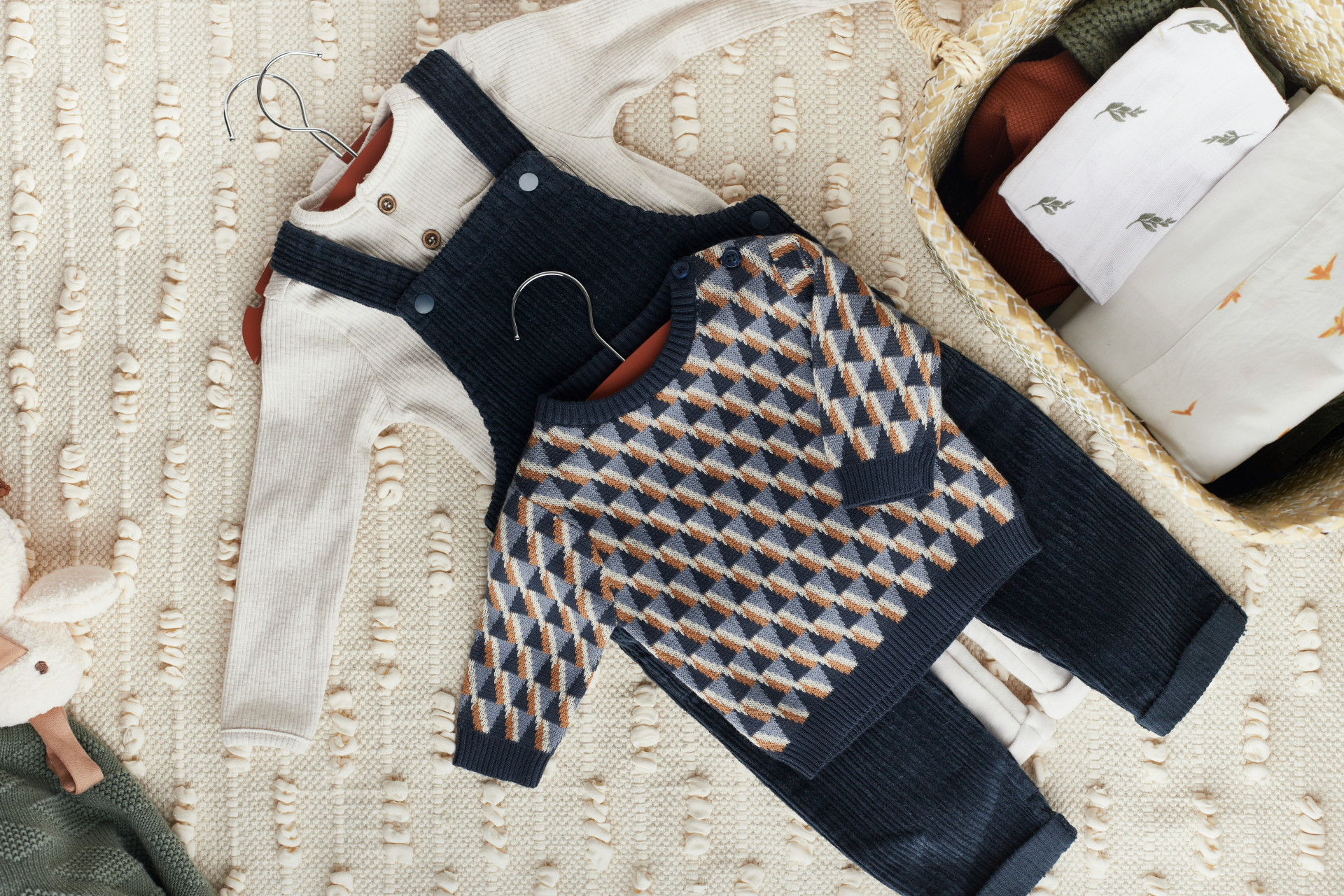
Get Your Closet in Order: Organize Kids’ Clothes by Size and Season
When kids’ clothes start piling up and drawers overflow with everything from outgrown onesies to winter coats in the middle of summer, it can feel impossible to get things under control. But with a simple system and a bit of planning, you can save time, space, and stress. Here’s a guide to organizing your children’s wardrobe by size and season—so you always know what fits, what to store, and what to pass along.
Start by Taking Inventory
Before you can organize, you need to know what you have. Take everything out of the closet and drawers, and lay it all out where you can see it. It might look overwhelming, but this step gives you a clear picture of how much clothing there really is—and how much your kids have outgrown.
Sort everything into three piles:
- Fits now – clothes that are currently in use and in good condition.
- Too small – items to store for younger siblings or donate.
- Too big or out of season – pieces to keep for later use.
Once you’ve sorted everything, you can start building a system that works for your family.
Organize by Size
Kids grow fast, and keeping up with changing sizes can be tricky. A great solution is to group clothes by size ranges—such as 0–3 months, 3–6 months, 6–9 months, and so on. Use clear plastic bins or fabric boxes with labels so you can easily find what you need.
Keep a “next size up” bin in the closet. When you notice your child’s clothes getting snug, you can quickly swap in the next size without digging through storage again.
Læs også:
Think in Seasons
In addition to size, it’s helpful to organize by season. This makes it easy to rotate clothes as the weather changes.
- Spring/Summer: lightweight tops, shorts, dresses, swimsuits, and sun hats.
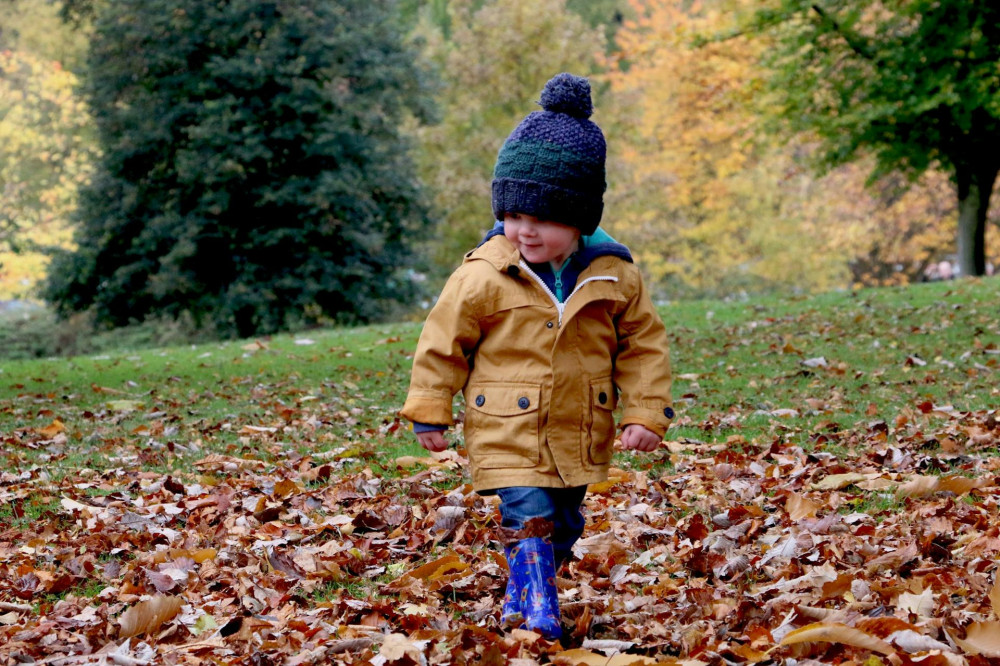
- Fall/Winter: sweaters, coats, boots, hats, and gloves.
When the season ends, pack away what’s not in use. Store items clean and dry in labeled bins or vacuum-sealed bags, noting the size and contents. This makes it simple to find what you need next year.
Create a Kid-Friendly Closet
Once you’ve sorted and stored everything, focus on making the everyday closet practical and easy to maintain.
- Use low shelves or baskets for daily wear.
- Hang jackets and coats where your child can reach them.
- Add labels or pictures to show where each type of clothing belongs.
The more accessible and organized the space is, the easier it will be for kids to help keep it tidy.
Pass It On or Reuse
Children often outgrow clothes long before they wear them out. Passing items along to friends, family, or local charities is a great way to give them new life. You can also sell gently used clothes online or at consignment stores—especially brand-name or seasonal items like coats and shoes.
If you’re saving clothes for younger siblings, pack them in clearly labeled bins and include a quick note about what’s missing (for example, “need socks in this size”). You’ll thank yourself later when it’s time to pull them out again.
Make It a Routine
Organizing kids’ clothes isn’t a one-time project—it’s an ongoing process as they grow. Set aside time a couple of times a year to go through their wardrobe, such as at the start of a new season or before school begins.
Once you have a system in place, it only takes a few minutes to keep it up—and you’ll avoid those hectic mornings spent searching for something that fits.
A Tidy Closet Brings Everyday Calm
A well-organized kids’ closet isn’t just about neatness—it’s about peace of mind. When you know what fits, what’s stored, and where everything belongs, daily routines run more smoothly for everyone. And that means more time for what really matters: enjoying life together.
Læs også: